

Pierre Gabriel Berthault
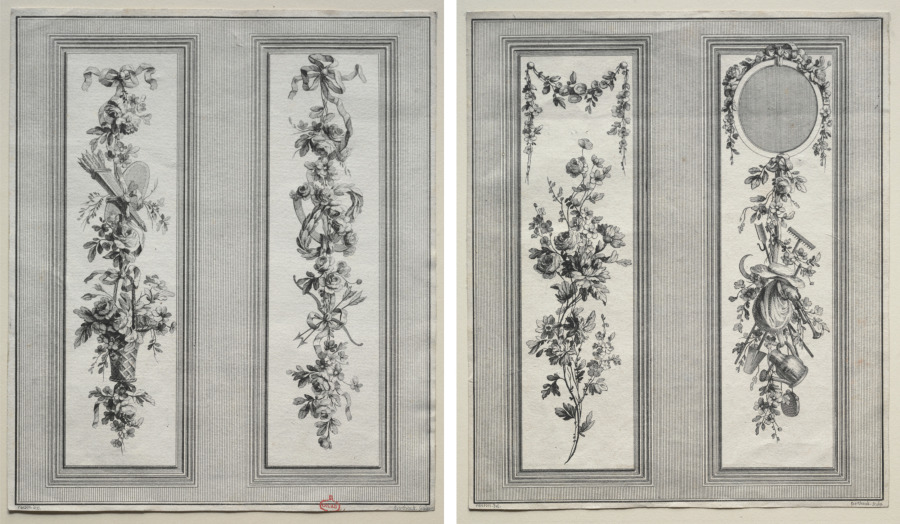
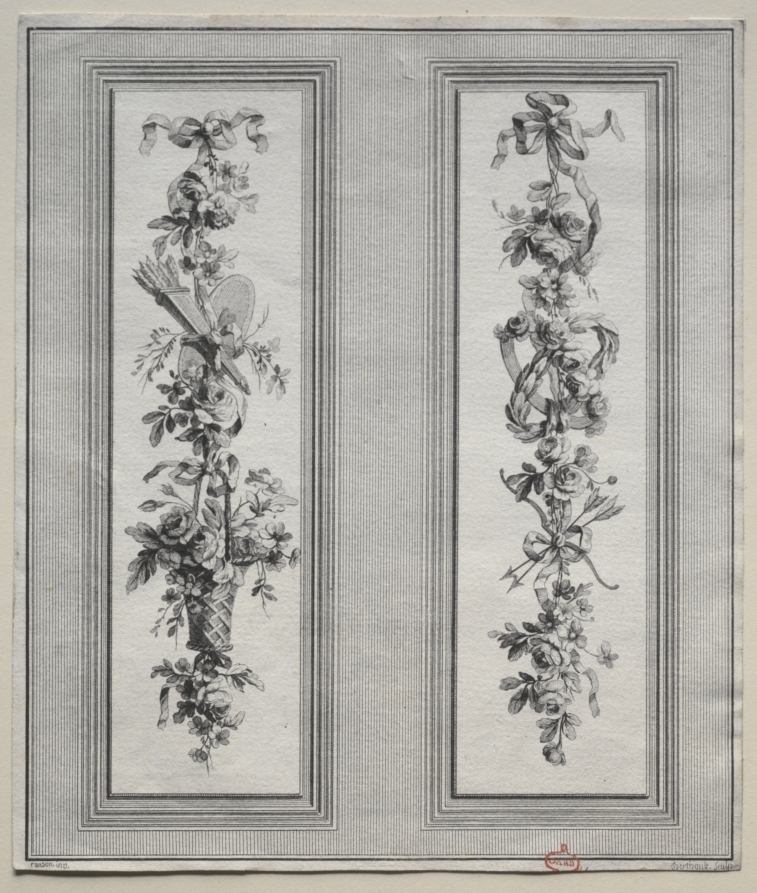
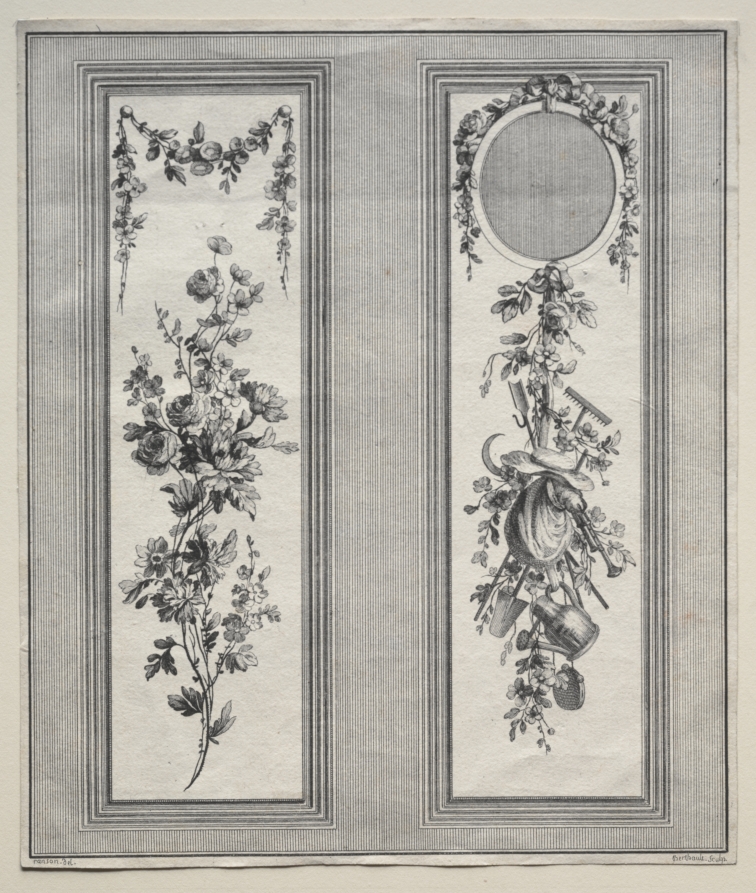
Pierre Gabriel Berthault was a French artist who lived from 1737 to 1831. His known works include Garden Ornament, Benediction of the Flags of the National Guard of Paris in Notre Dame on September 27, 1789, Triumphal Entry of the Monuments of Arts and Sciences, Ancient Church of Salerno, Church at Sipontum, Village of Squinzano, Interior of Ancient Temple, now principal church of Nocera de' Pagani, and Village of Maglie.
Biography
Solis Prints offers fine art prints of Benediction of the Flags of the National Guard of Paris in Notre Dame on September 27, 1789, Garden Ornament, Interior of Ancient Temple, now principal church of Nocera de' Pagani, and Triumphal Entry of the Monuments of Arts and Sciences.
Notable Works
Tap to view larger.
Next stop
Browse the movements →
Every movement in the collection, from the Renaissance to Pop art.
Pierre Gabriel Berthault prints
Hand-finished archival prints from Pierre Gabriel Berthault's body of work.

Related Artists


Take Pierre Gabriel Berthault home.
See all Pierre Gabriel Berthault prints →Frequently Asked Questions
When was Pierre Gabriel Berthault born?
Pierre Gabriel Berthault was born in 1737 and died in 1831.What is Pierre Gabriel Berthault known for?
Pierre Gabriel Berthault is known for pierre Gabriel Berthault was a French artist who lived from 1737 to 1831.