

Richard Earlom
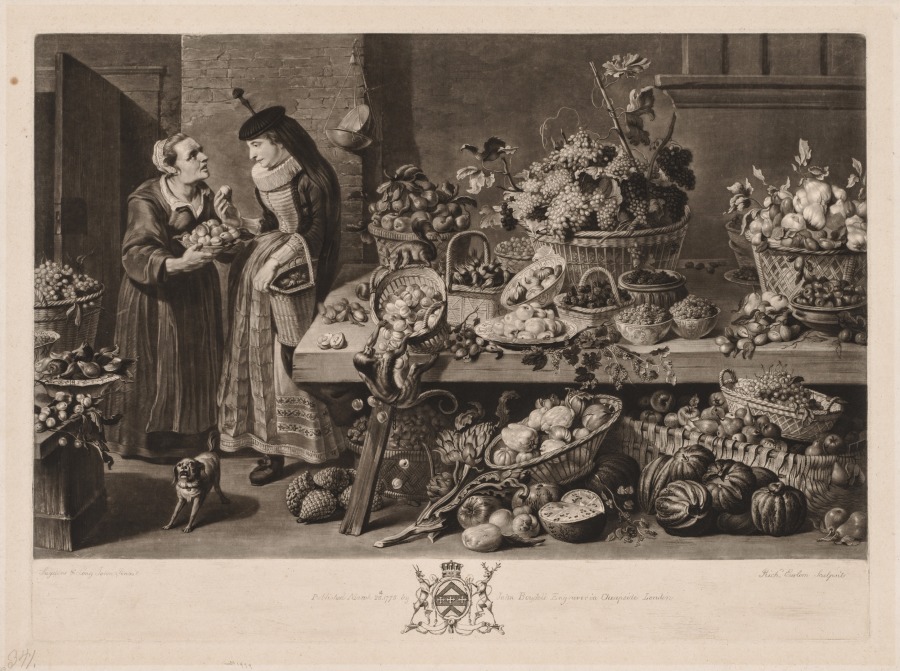
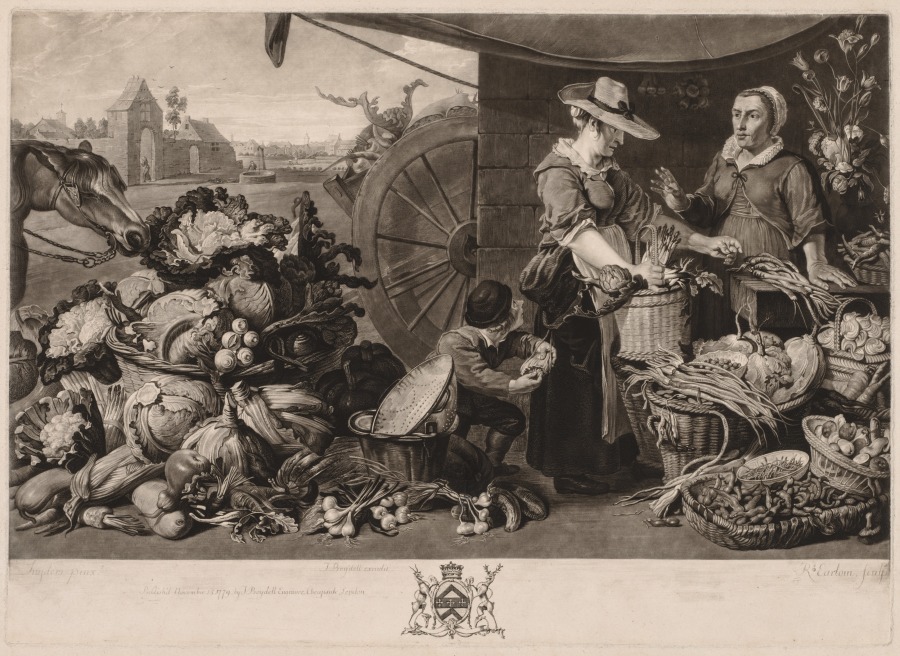
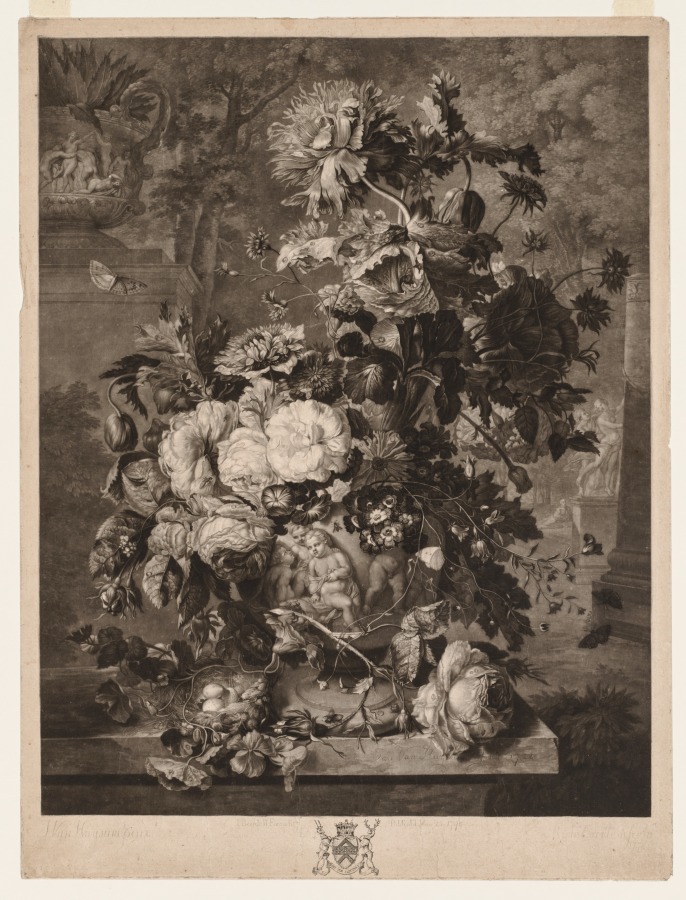
Richard Earlom began his artistic life in an unusual way. He reportedly gained his first experience by painting the decorative ornaments on the Lord Mayor of London's state coach. This early work with physical objects influenced his later precision in the medium of printmaking. While many British engravers focused on portraits, Earlom used the mezzotint process to recreate complex still lifes and expansive rural scenes.
Biography
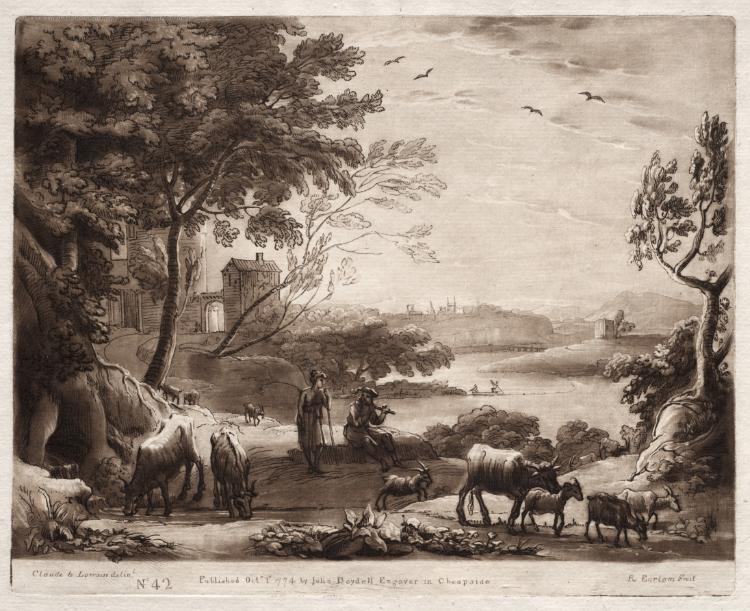
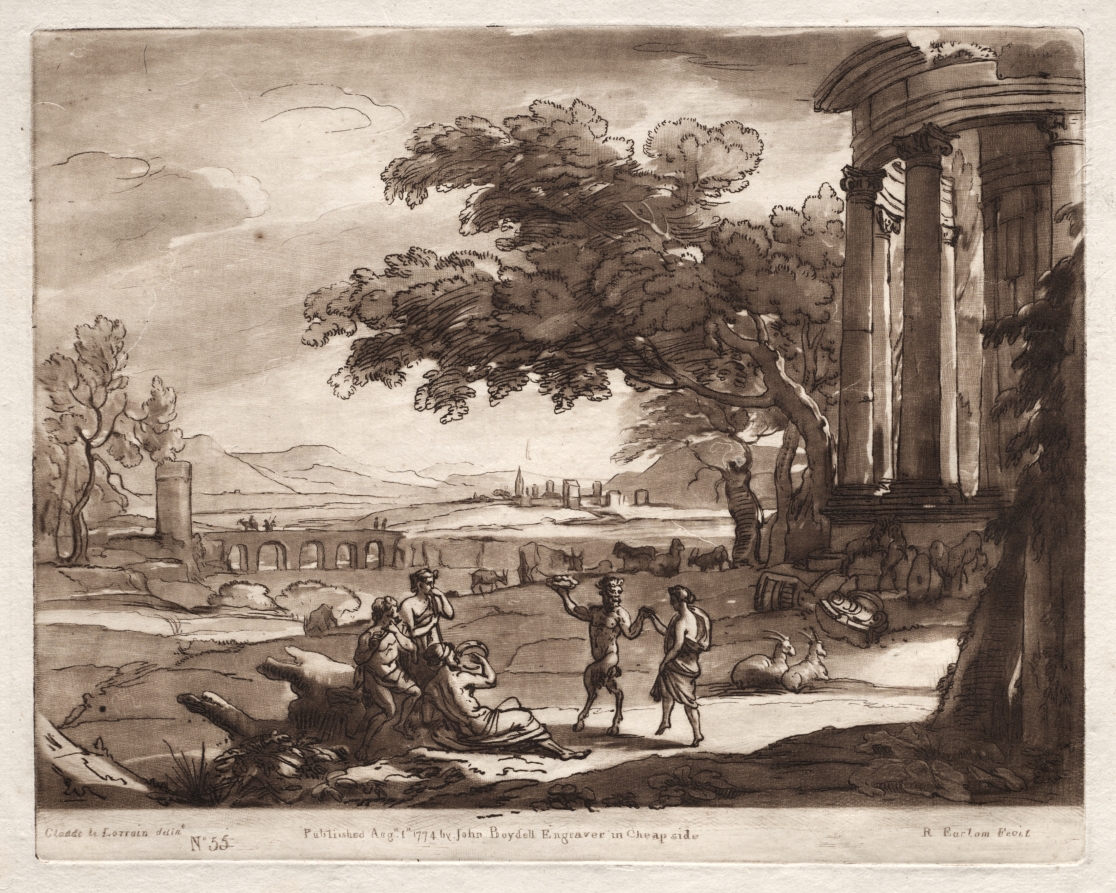
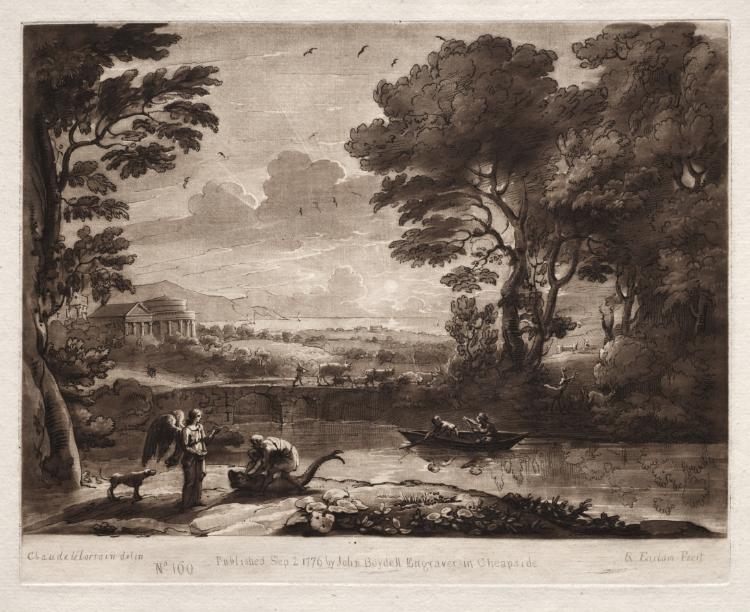
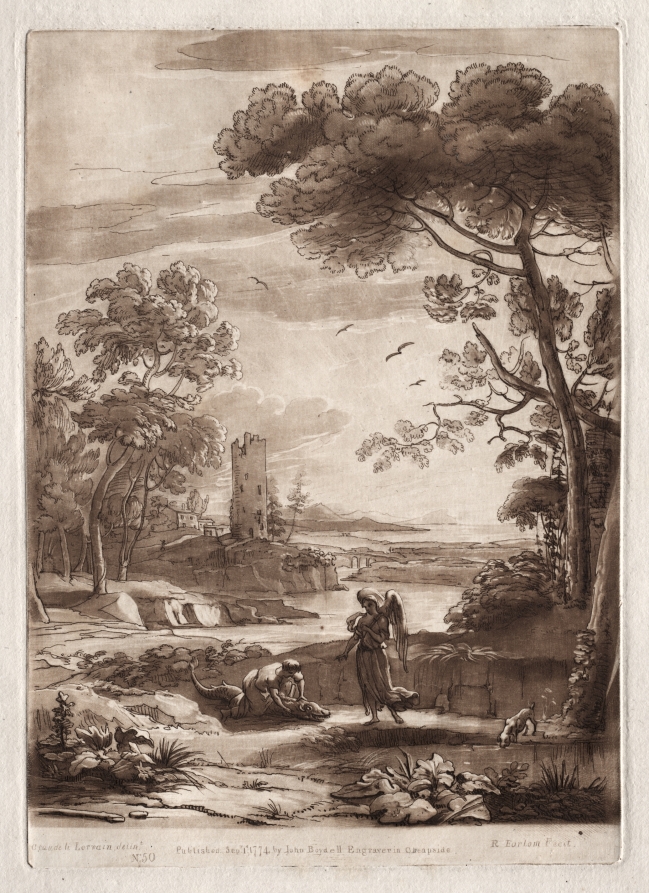
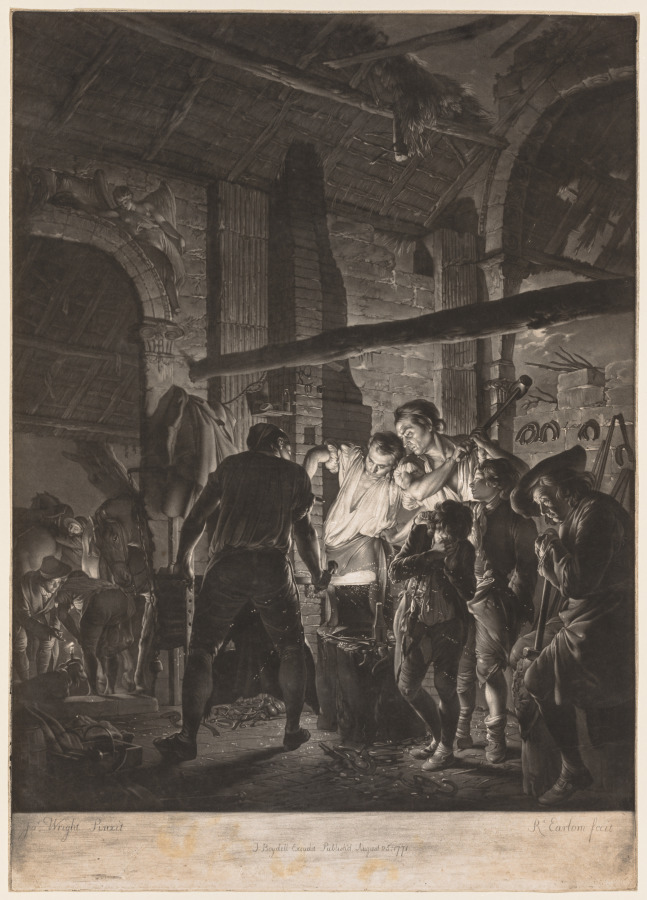
His most famous project was the reproduction of the Liber Veritatis by Claude Lorrain. This collection of two hundred plates translated Lorrain's wash drawings into a mix of etching and mezzotint. Earlom chose a specific brown ink to replicate the original sepia tones of the drawings. His method allowed for soft transitions between light and shadow. Works like Tobias and the Angel and The Blacksmith show his ability to create atmosphere without using the hard lines of standard engraving.
Collectors today value Earlom for his skill in representing different textures. His prints of cattle and mountainous terrain offer a sense of physical presence. The restrained palette of the Liber Veritatis series provides a quiet alternative to more colourful art. These prints function as a link between classical European composition and the tonal experiments of late eighteenth-century British art.
Notable Works
Tap to view larger.
Next stop
Browse the movements →
Every movement in the collection, from the Renaissance to Pop art.
Richard Earlom prints
Hand-finished archival prints from Richard Earlom's body of work.
 General Eliott, Baron Heathfield of Gibraltar - Richard Earlom
From £28.00
General Eliott, Baron Heathfield of Gibraltar - Richard Earlom
From £28.00
 Venus and Adonis - Richard Earlom
From £37.00
Venus and Adonis - Richard Earlom
From £37.00
 Fruit Piece - Richard Earlom
From £37.00
Fruit Piece - Richard Earlom
From £37.00
 The Inside of the Pantheon in Oxford Road - Richard Earlom
From £37.00
The Inside of the Pantheon in Oxford Road - Richard Earlom
From £37.00
 Rubens' Son and Nurse - Richard Earlom
From £37.00
Rubens' Son and Nurse - Richard Earlom
From £37.00
 The Blacksmith - Richard Earlom
From £28.00
The Blacksmith - Richard Earlom
From £28.00
Related Artists


Take Richard Earlom home.
See all Richard Earlom prints →Frequently Asked Questions
When was Richard Earlom born?
Richard Earlom was born in 1728 and died in 1794.What is Richard Earlom known for?
Richard Earlom is known for richard Earlom was a British printmaker who transformed the mezzotint technique through his atmospheric reproductions of Claude Lorrain's drawings and detailed studies of rural life.