


Thomas Shotter Boys
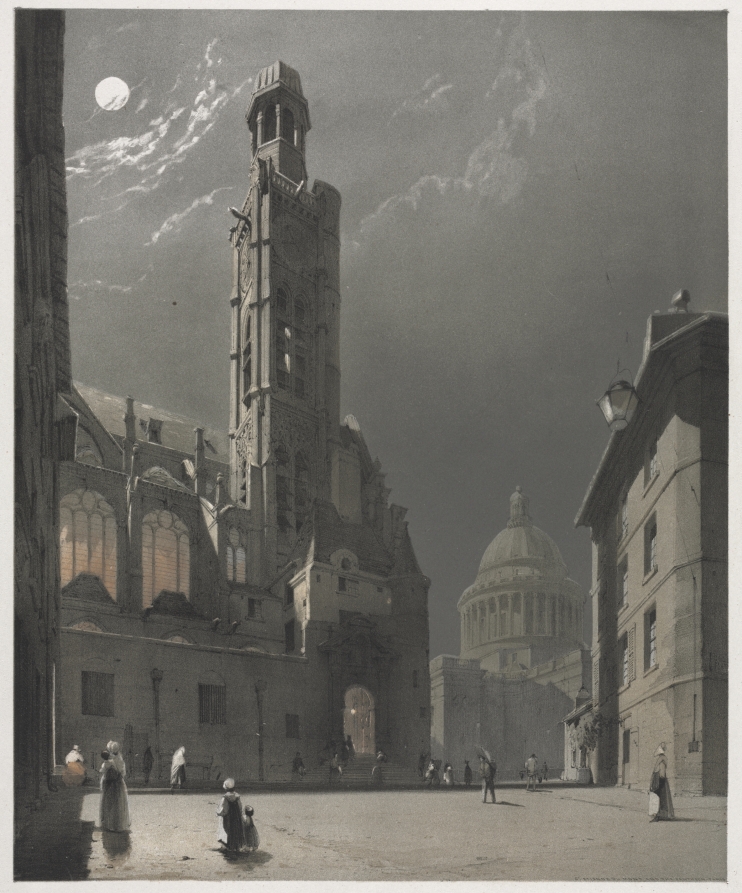
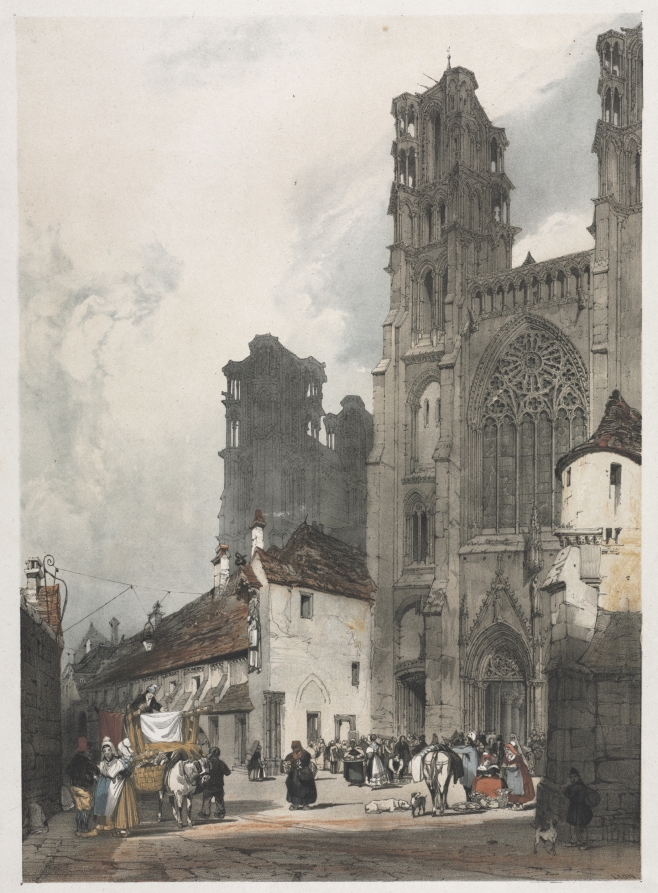
Thomas Shotter Boys produced the prints Board of Trade, Whitehall, etc... from Downing Street, Ca' Bernardo Mocenigo: Capital of Window Shafts, Gate of the Vivarrambla, Granada, Gezicht op de Saint-Etienne-du-Mont en het Pantheon te Parijs, and Gezicht op Rue de Rivage in Abbeville.
Notable Works
Tap to view larger.
Next stop
Browse the movements →
Every movement in the collection, from the Renaissance to Pop art.
Thomas Shotter Boys prints
Hand-finished archival prints from Thomas Shotter Boys's body of work.
 View of the Seine from the Pont des Arts - Thomas Shotter Boys
From £28.00
View of the Seine from the Pont des Arts - Thomas Shotter Boys
From £28.00
 Gate of the Vivarrambla, Granada - Thomas Shotter Boys
From £28.00
Gate of the Vivarrambla, Granada - Thomas Shotter Boys
From £28.00
 Gezicht op Rue de Rivage in Abbeville - Thomas Shotter Boys
From £28.00
Gezicht op Rue de Rivage in Abbeville - Thomas Shotter Boys
From £28.00
 South Porch of Chartres Cathedral - Thomas Shotter Boys
From £28.00
South Porch of Chartres Cathedral - Thomas Shotter Boys
From £28.00
 Gezicht op de Saint-Etienne-du-Mont en het Pantheon te Parijs - Thomas Shotter Boys
From £28.00
Gezicht op de Saint-Etienne-du-Mont en het Pantheon te Parijs - Thomas Shotter Boys
From £28.00
 Picturesque Sketches in Spain: The Mosque, Cordova - Thomas Shotter Boys
From £28.00
Picturesque Sketches in Spain: The Mosque, Cordova - Thomas Shotter Boys
From £28.00
Take Thomas Shotter Boys home.
See all Thomas Shotter Boys prints →Frequently Asked Questions
What is Thomas Shotter Boys known for?
Thomas Shotter Boys is known for thomas Shotter Boys produced the prints Board of Trade, Whitehall, etc... from Downing Street and Ca' Bernardo Mocenigo: Capital of Window Shafts.