

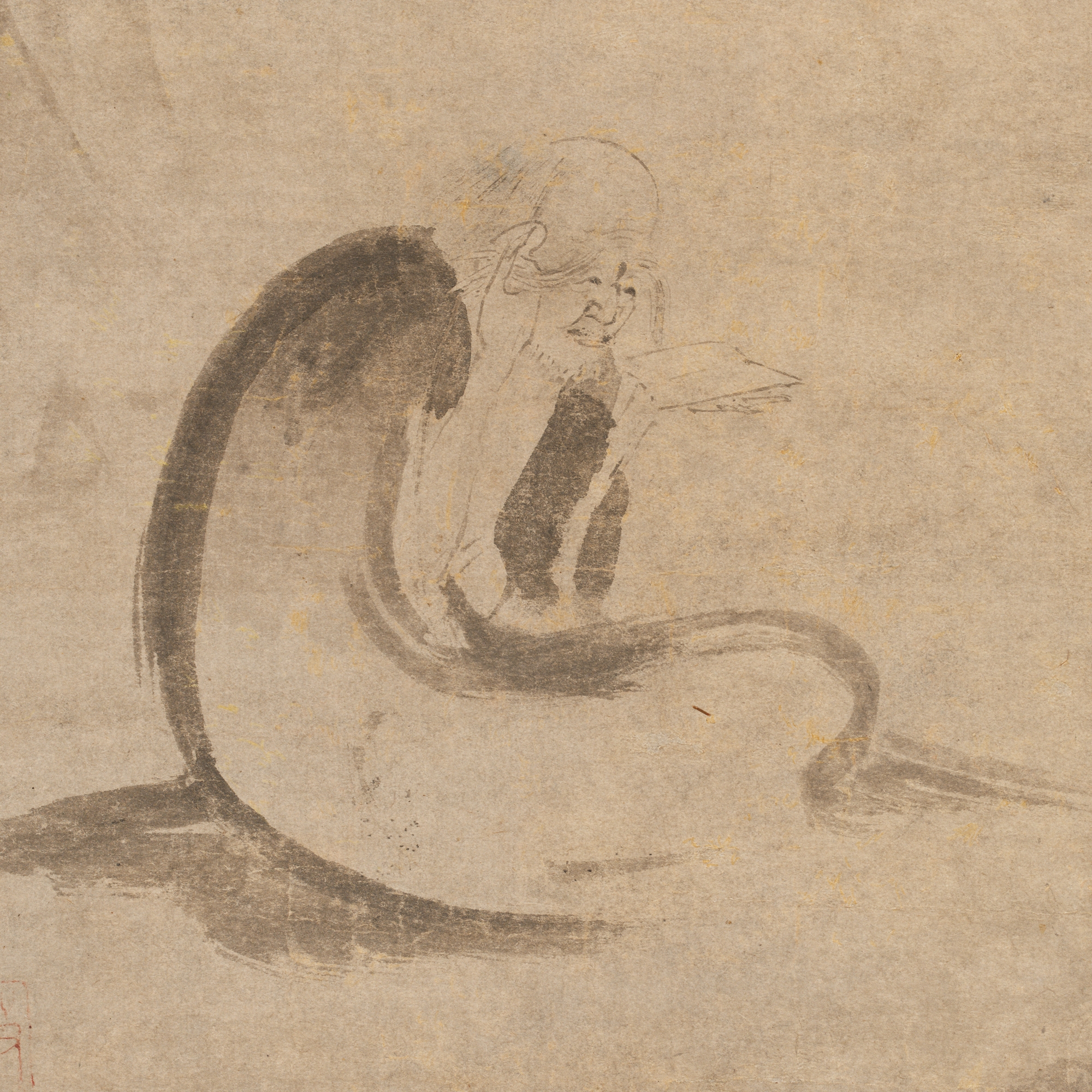
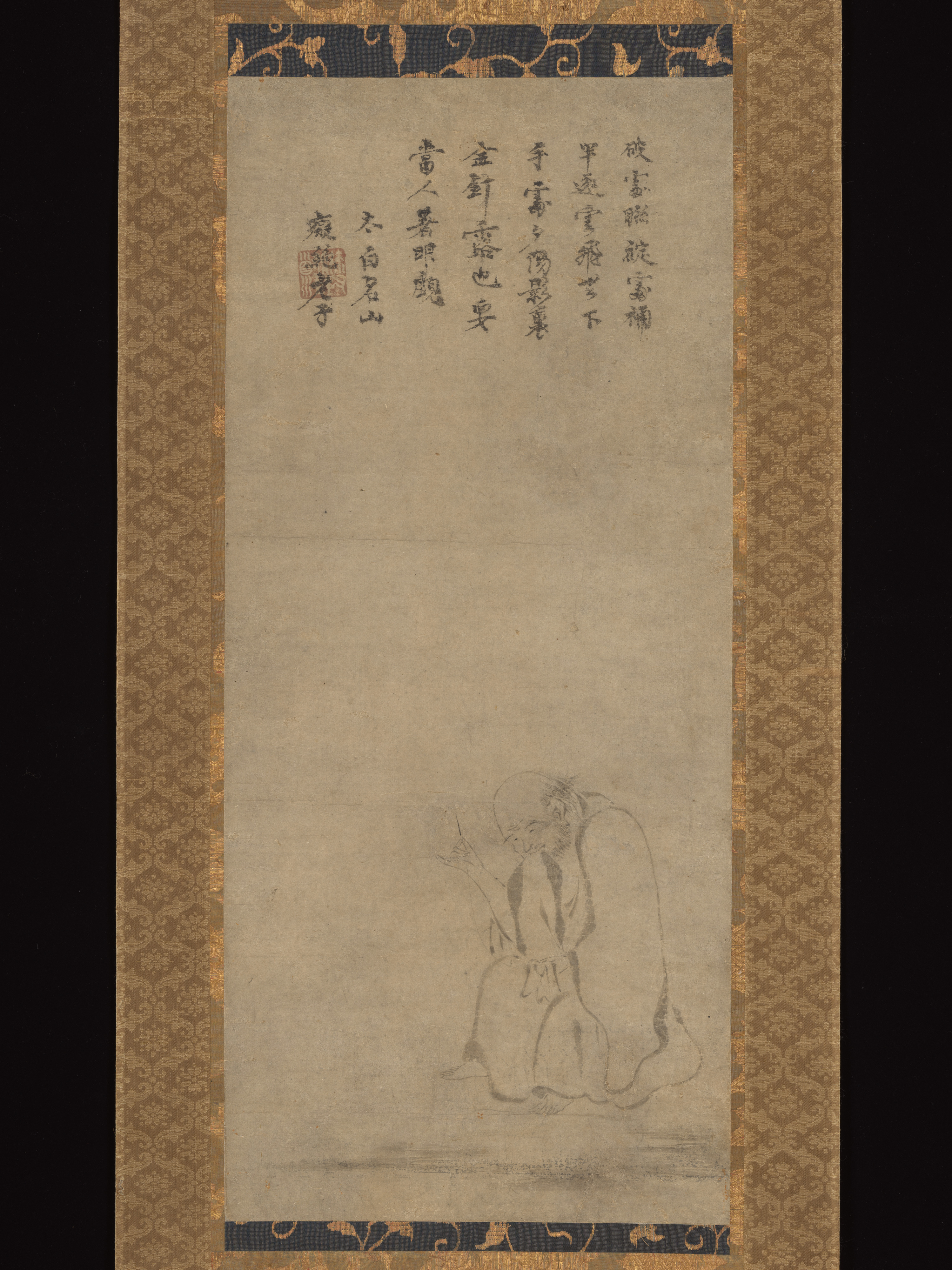


Unidentified Artist
Many Tibetan thangka paintings originate from the Unidentified Artist of the Karma Gardri school. The Unidentified Artist used a system called iconometry to determine the proportions of deities. They drafted grids on cloth before applying any pigment. This mathematical approach ensured that every figure met specific requirements. The identity of the individual was secondary to the accuracy of the geometry. These drawings often began as charcoal sketches on cotton.
Biography
The Karma Gardri style uses open space and subtle washes of colour. Unlike more crowded Himalayan compositions, this school uses a light touch. The Unidentified Artist left large areas of the canvas empty to represent the sky. This technique creates a sense of calm. The Unidentified Artist focused on fine lines and anatomy. Their work represents a disciplined fusion of skill and devotion. This style emerged in the sixteenth century.
Modern collectors value these works for their technical precision and minimalist look. The underlying grids often remain visible in sketches. These lines offer a look at the creative process. Such prints suit contemporary interiors because they balance tradition with a clean appearance. They provide a quiet presence in a room. These works are ideal for spaces dedicated to meditation or study.
Notable Works
Tap to view larger.
Next stop
Browse the movements →
Every movement in the collection, from the Renaissance to Pop art.
Unidentified Artist prints
Hand-finished archival prints from Unidentified Artist's body of work.
 The Virgin of Vladimir with Twelve Scenes - Fine Art Print
From £28.00
The Virgin of Vladimir with Twelve Scenes - Fine Art Print
From £28.00
 Scenes from the Birth of Christ and the Resurrection of Christ - Fine Art Print
From £37.00
Scenes from the Birth of Christ and the Resurrection of Christ - Fine Art Print
From £37.00
 Untitled (Animal and Bird Studies) - Fine Art Print
From £28.00
Untitled (Animal and Bird Studies) - Fine Art Print
From £28.00
 Things in Space/Space in Things - Fine Art Print
From £28.00
Things in Space/Space in Things - Fine Art Print
From £28.00
 Our Lady of Bethlehem with Portrait of an Indigenous Donor - Unidentified Artist
From £28.00
Our Lady of Bethlehem with Portrait of an Indigenous Donor - Unidentified Artist
From £28.00
 Dorothy Quincy (After John Singleton Copley) - Unidentified Artist
From £28.00
Dorothy Quincy (After John Singleton Copley) - Unidentified Artist
From £28.00
Take Unidentified Artist home.
See all Unidentified Artist prints →Frequently Asked Questions
What is Unidentified Artist known for?
Unidentified Artist is known for the Unidentified Artist of the Karma Gardri school created these works using precise geometric grids and minimalist compositions to depict sacred Buddhist figures.