


Walter Geikie
Walter Geikie lost his hearing and speech after a fever at the age of two. This physical isolation forced him to develop a keen sense of visual observation from an early age. He spent much of his childhood in Edinburgh sketching people in the streets and markets. His inability to communicate through sound led him to master the nuances of body language and facial expression.
Biography
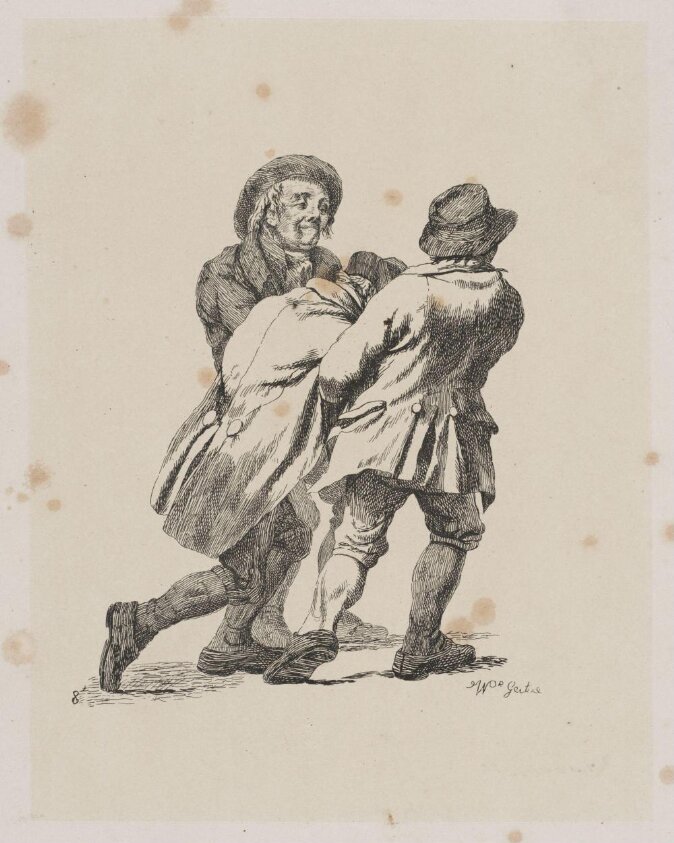
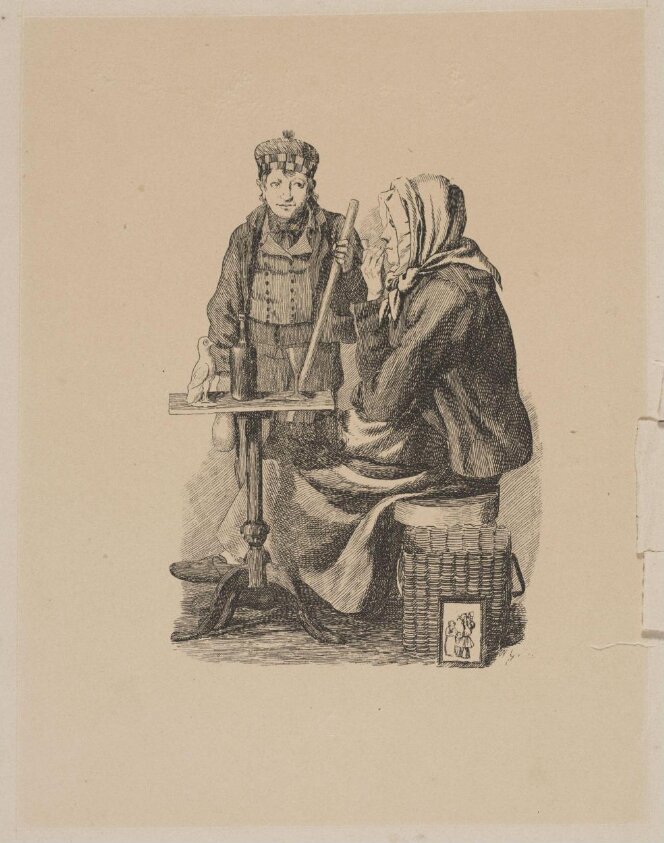
His work belongs to the Scottish genre tradition. He focused on the everyday activities of the working class. Works like Bargaining for Fish and Auction capture the friction of trade and social interaction. Geikie preferred etching and sketching over large oil paintings. His style is characterised by honest, sometimes humorous, depictions of human character. He avoided the idealised or sentimental views of rural life common in the nineteenth century.
Modern collectors value Geikie for his unsentimental record of Scottish social history. His prints provide a clear window into the costumes and customs of the early 1800s. The small scale of his etchings makes them suitable for contemporary domestic interiors. They offer a sense of historical narrative without the heavy ornamentation of Victorian art. His focus on quiet moments, such as in Grandchild Reading, remains relatable to viewers today.
Notable Works
Tap to view larger.
Next stop
Browse the movements →
Every movement in the collection, from the Renaissance to Pop art.
Frequently Asked Questions
When was Walter Geikie born?
Walter Geikie was born in 1795 and died in 1837.What is Walter Geikie known for?
Walter Geikie is known for walter Geikie was a nineteenth-century Scottish artist whose etchings captured the honest, everyday social interactions of Edinburgh streets with a focus on character and observation.

