

Watanabe Kazan
Watanabe Kazan lived a double life as a high-ranking samurai official and a scholar of Western science. He belonged to a group of intellectuals who studied Dutch texts to understand the world beyond Japan. His political writings eventually led to house arrest. He took his own life in 1841 to prevent his legal troubles from bringing shame upon his lord.

Biography
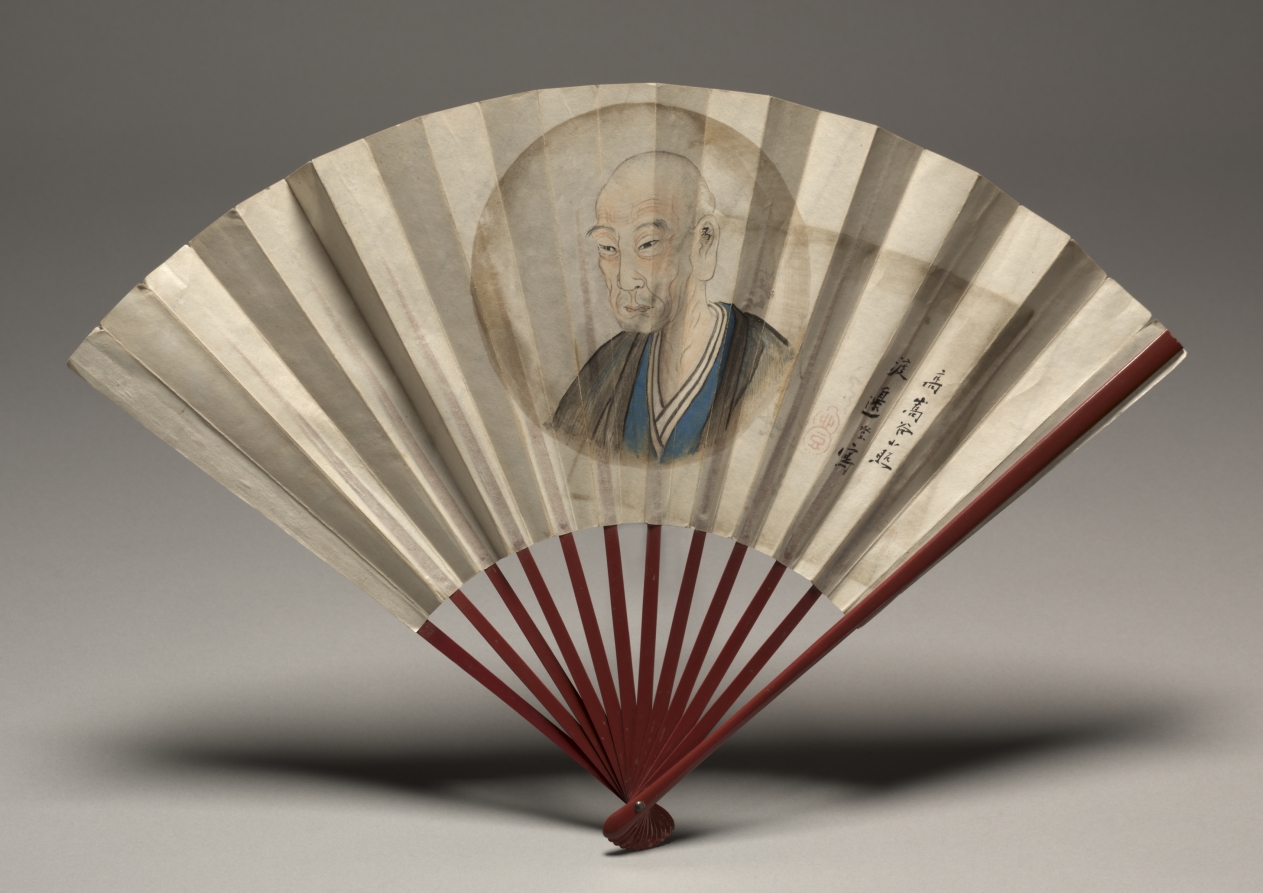
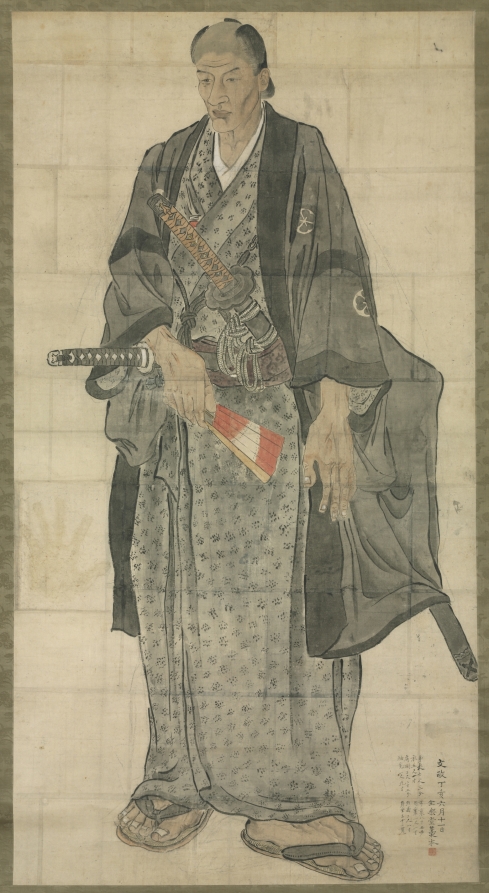
His artistic style merged traditional Nanga literati painting with Western techniques of light and shadow. While many contemporaries focused on stylised forms, Kazan sought realism. He used subtle washes to define the structure of a face or the weight of a coin. His Portrait of Kō Sūkoku and his sketches of Atsugi demonstrate this observational approach. He often worked from life, filling albums with quick studies of people and objects.
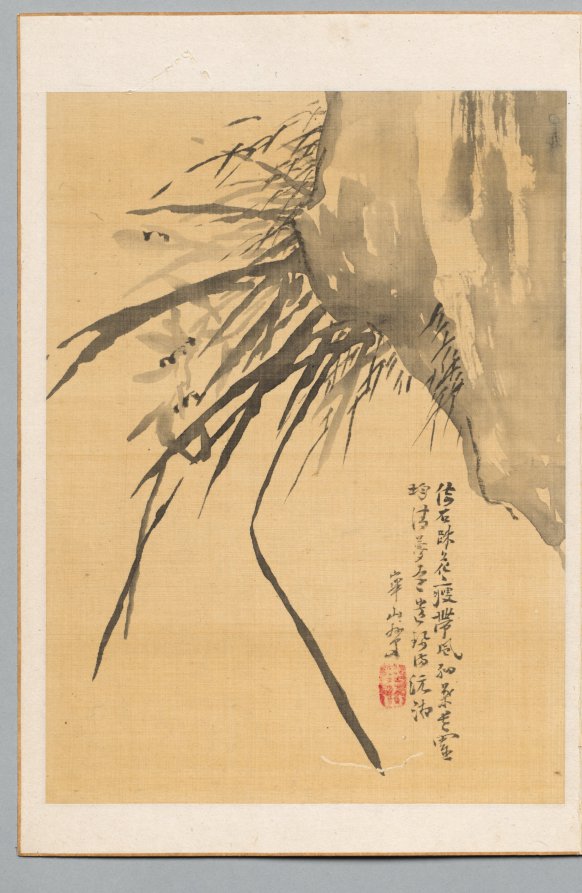
Modern collectors appreciate the technical precision found in his botanical and everyday subjects. His depictions of orchids or gold coins possess a clarity that works well in contemporary spaces. These prints offer a direct connection to the intellectual atmosphere of late Edo Japan. They represent a moment when Japanese art began to look outward, combining classical brushwork with a new interest in physical reality.
Notable Works
Tap to view larger.
Next stop
Browse the movements →
Every movement in the collection, from the Renaissance to Pop art.
Related Artists


Frequently Asked Questions
When was Watanabe Kazan born?
Watanabe Kazan was born in 1793 and died in 1841.What is Watanabe Kazan known for?
Watanabe Kazan is known for watanabe Kazan was a samurai scholar who combined traditional Japanese brushwork with Western realism to create observational portraits and nature studies.