


Wenzel von Olmütz
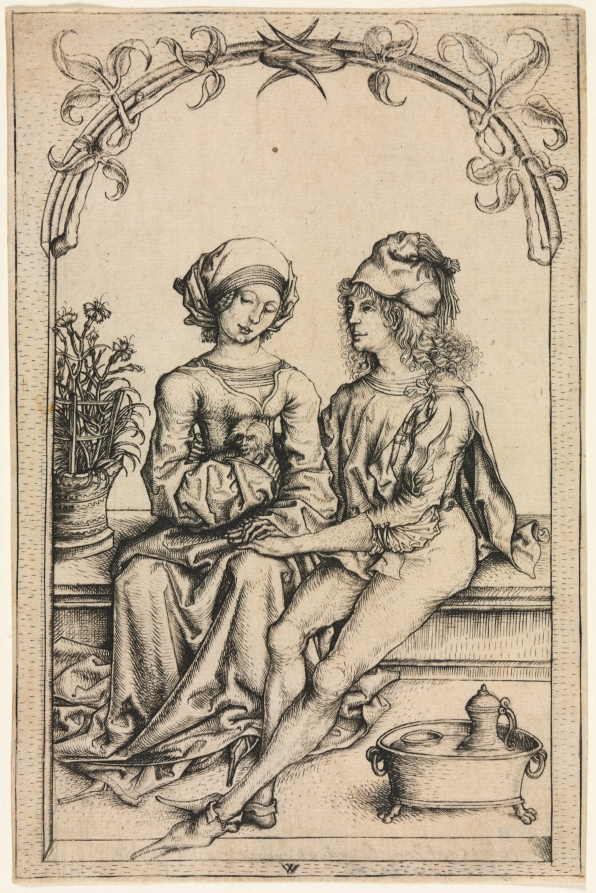
Wenzel von Olmütz operated as a prolific copyist during the transition from the Middle Ages to the Renaissance. While modern viewers might view copying as derivative, in the late fifteenth century, it was an essential method for distributing new visual ideas across Europe. He produced versions of works by Albrecht Dürer and Martin Schongauer, often adding his own 'W' monogram to the plates. This practice helped spread the styles of these masters to regions far from their original workshops.
Biography
His technique relies on a precise, linear approach characteristic of the Late Gothic period. In works such as 'The Man of Sorrows between the Virgin and Saint John', he employs sharp, clear hatching to define form. Unlike the softer, volumetric style of earlier Bohemian painters, his engravings emphasise clarity of line and narrative detail. He often depicted religious subjects alongside heraldic motifs and classical themes such as his 'Hercules'. His work on 'The Martyrdom of Saint Sebastian' demonstrates a focus on the human figure.
Modern collectors value these prints for their historical honesty and technical skill. They represent a specific moment when the printing press began to make art more available to a wider audience. The stark black-and-white compositions provide a graphic quality that suits contemporary interiors. These works offer a connection to the intellectual shifts of the 1500s through a medium that remains accessible.
Notable Works
Tap to view larger.
Next stop
Browse the movements →
Every movement in the collection, from the Renaissance to Pop art.
Frequently Asked Questions
When was Wenzel von Olmütz born?
Wenzel von Olmütz was born in 1500.What is Wenzel von Olmütz known for?
Wenzel von Olmütz is known for wenzel von Olmütz was a late fifteenth-century engraver and goldsmith from Moravia known for his precise copies of Dürer and his own religious and classical prints.