



Willem Panneels
Willem Panneels occupied a unique position in the studio of Peter Paul Rubens. When Rubens travelled across Europe on diplomatic missions between 1628 and 1630, he left Panneels in charge of his house and workshop in Antwerp. During this period, Panneels gained access to the private Cantoor or cabinet of his master. He used this opportunity to copy hundreds of private sketches and anatomical studies. These drawings provide a rare look into the working methods of the most famous Flemish Baroque painter of the seventeenth century.
Biography
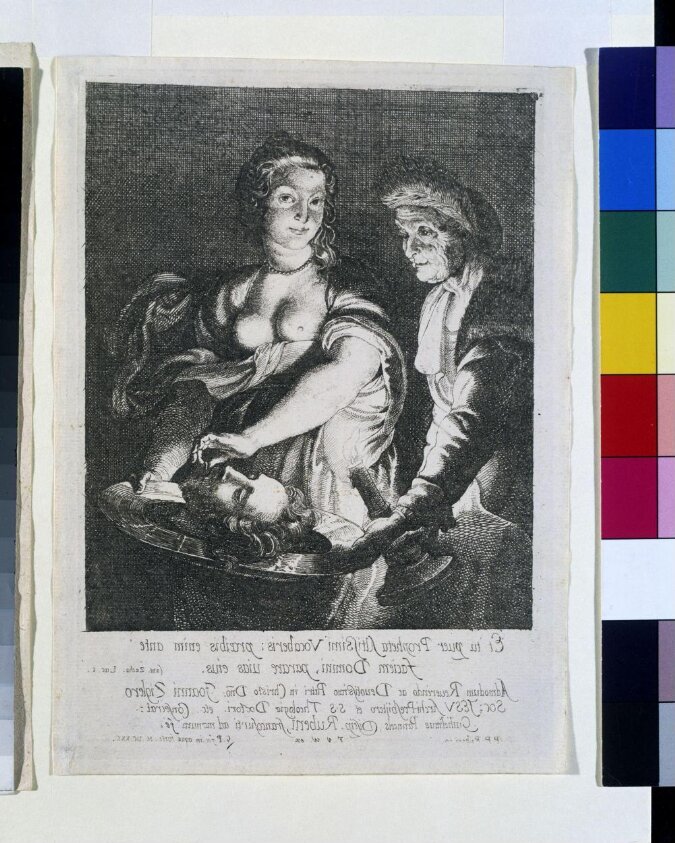
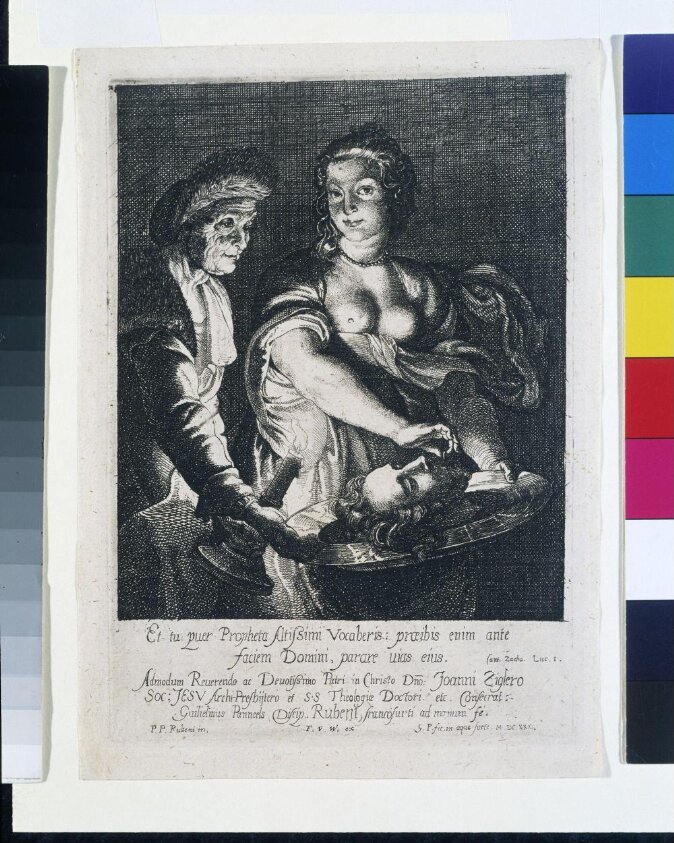
The work of Panneels focuses on the translation of three-dimensional form into line. He specialised in etching and drawing, often reproducing sculptures or anatomical models found in the collection of Rubens. His style maintains the muscular energy of the Baroque period while adding a specific documentary precision. Panneels recorded the way light fell on plaster casts and the tension in anatomical figures. His etchings, such as those depicting the Nativity or classical deities, demonstrate technical mastery of cross-hatching and tonal contrast.
Modern collectors value Panneels for his connection to the established traditions of the Antwerp school. His prints offer an intimate and accessible way to own the visual language of the Baroque era. The monochrome nature of his etchings suits contemporary interiors that favour clean lines and historical depth. Because his work often captures the raw process of artistic training, it carries a sense of authenticity. These prints function as historical records and clear examples of classical draughtsmanship.
Notable Works
Tap to view larger.
Frequently Asked Questions
What is Willem Panneels known for?
Willem Panneels is known for willem Panneels was a Flemish Baroque artist who documented the private studio secrets and anatomical studies of his master, Peter Paul Rubens.


