



Wilson Lowry
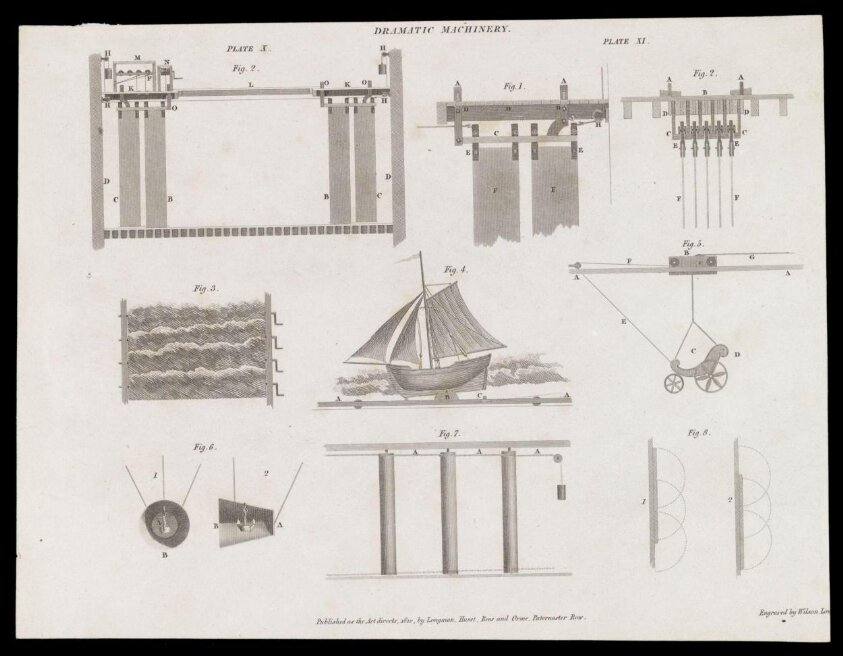
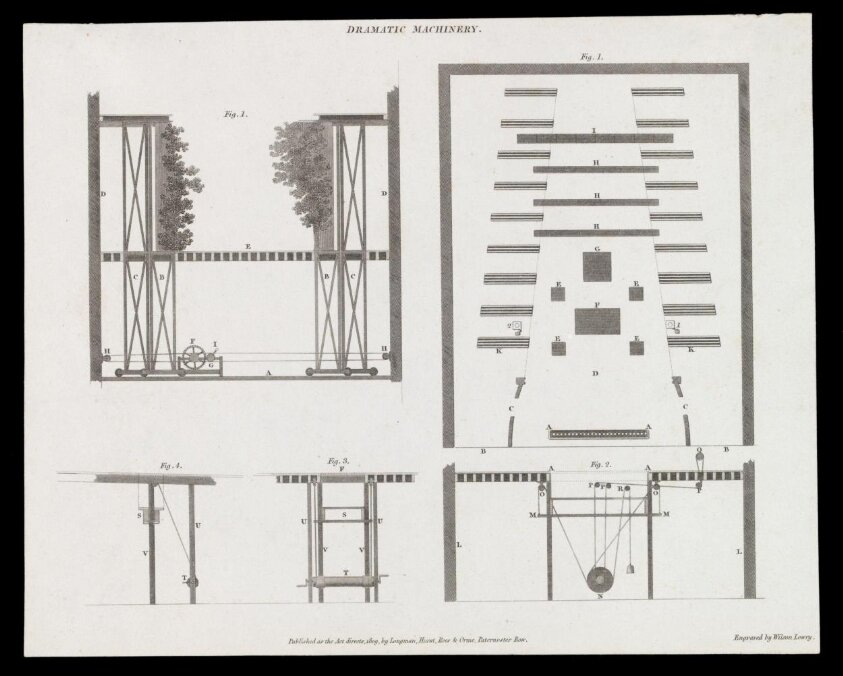
Wilson Lowry was an engraver who combined technical engineering with fine art. He was a Fellow of the Royal Society. This membership reflected his interest in the sciences rather than the traditional gallery world. Lowry is known for inventing a ruling machine that allowed for greater precision in copperplate engraving. This device enabled him to create perfectly spaced lines. He used these to represent architectural surfaces and atmospheric effects with mathematical accuracy.
Biography
His approach focused on the mechanical and the structural. Lowry provided numerous plates for Rees's Cyclopædia. In these works, he translated complex scientific instruments and buildings into clear visual forms. He moved away from the expressive styles of his contemporaries. Instead, he favoured a disciplined method that prioritised clarity and technical truth. His work often features fine cross-hatching and precise linear patterns. These techniques give his prints a structured appearance.
Modern collectors value these prints for their clean geometry and factual detail. The technical nature of his work suits contemporary interiors that appreciate industrial design or architectural history. His prints provide a record of the Age of Enlightenment. During this period, art was a tool for recording human progress. These works function as historical documents and wall art for those who admire precision.
Notable Works
Tap to view larger.
Frequently Asked Questions
What is Wilson Lowry known for?
Wilson Lowry is known for wilson Lowry was a British engraver and inventor known for his technical precision and the creation of highly accurate architectural and scientific prints during the Enlightenment.


