

Fine Art Poster
From $39
A giclée print on 200gsm matte fine art paper, using a twelve-colour process for accurate, fade-resistant colour. Supplied unframed, delivered flat or rolled.



Archival giclée
Frames arrive ready to hang
Secure checkout
Made to order
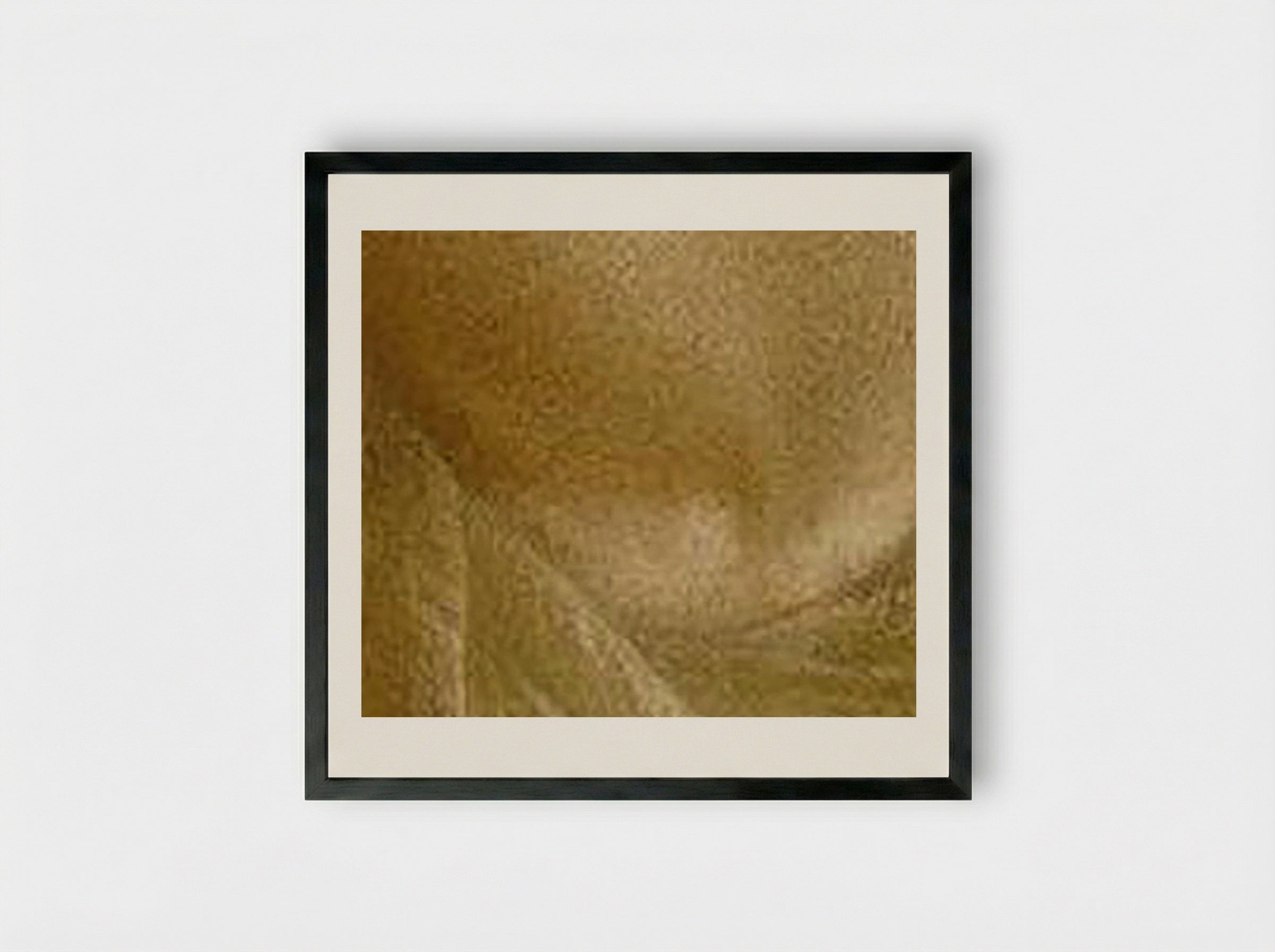
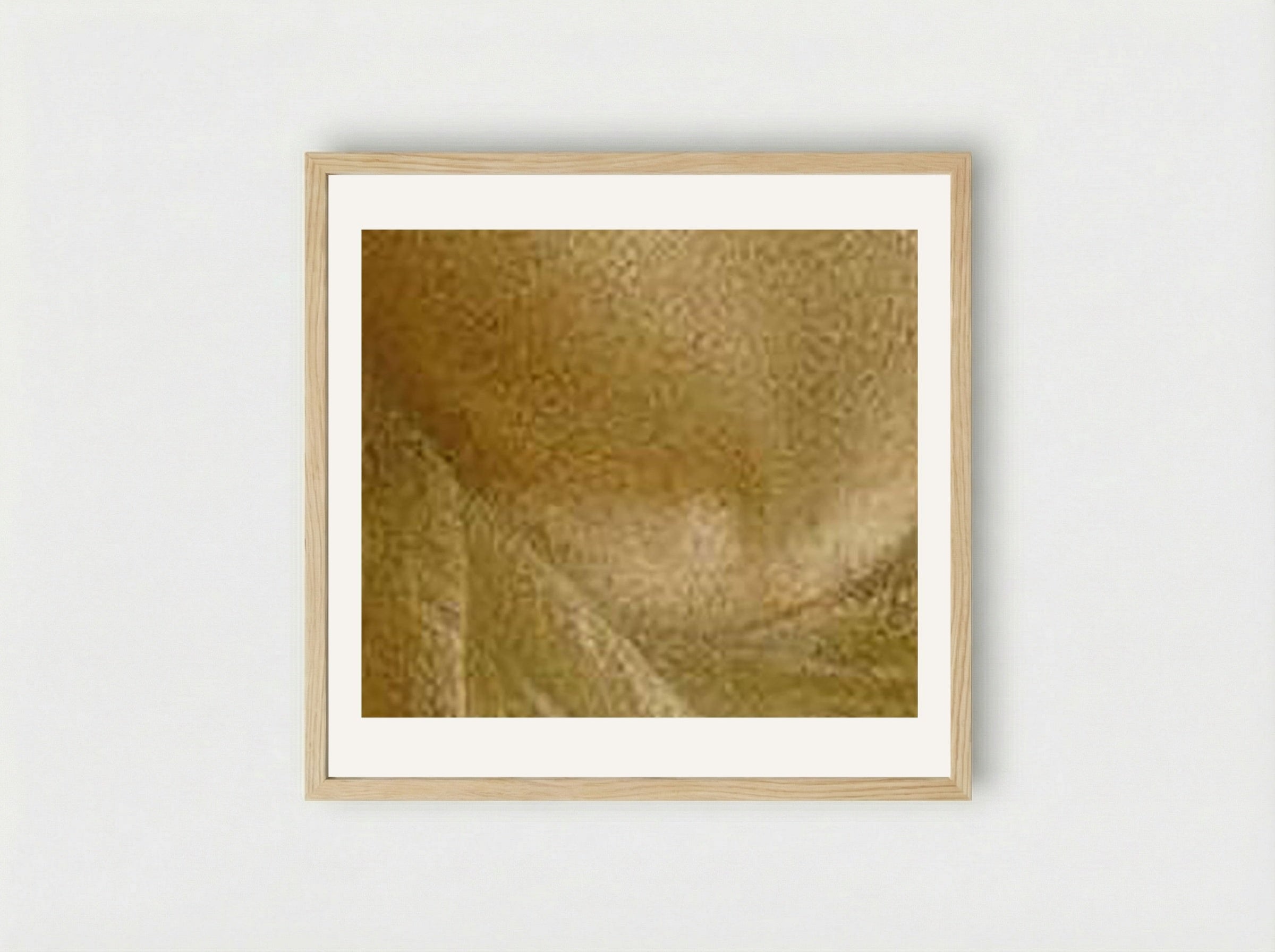
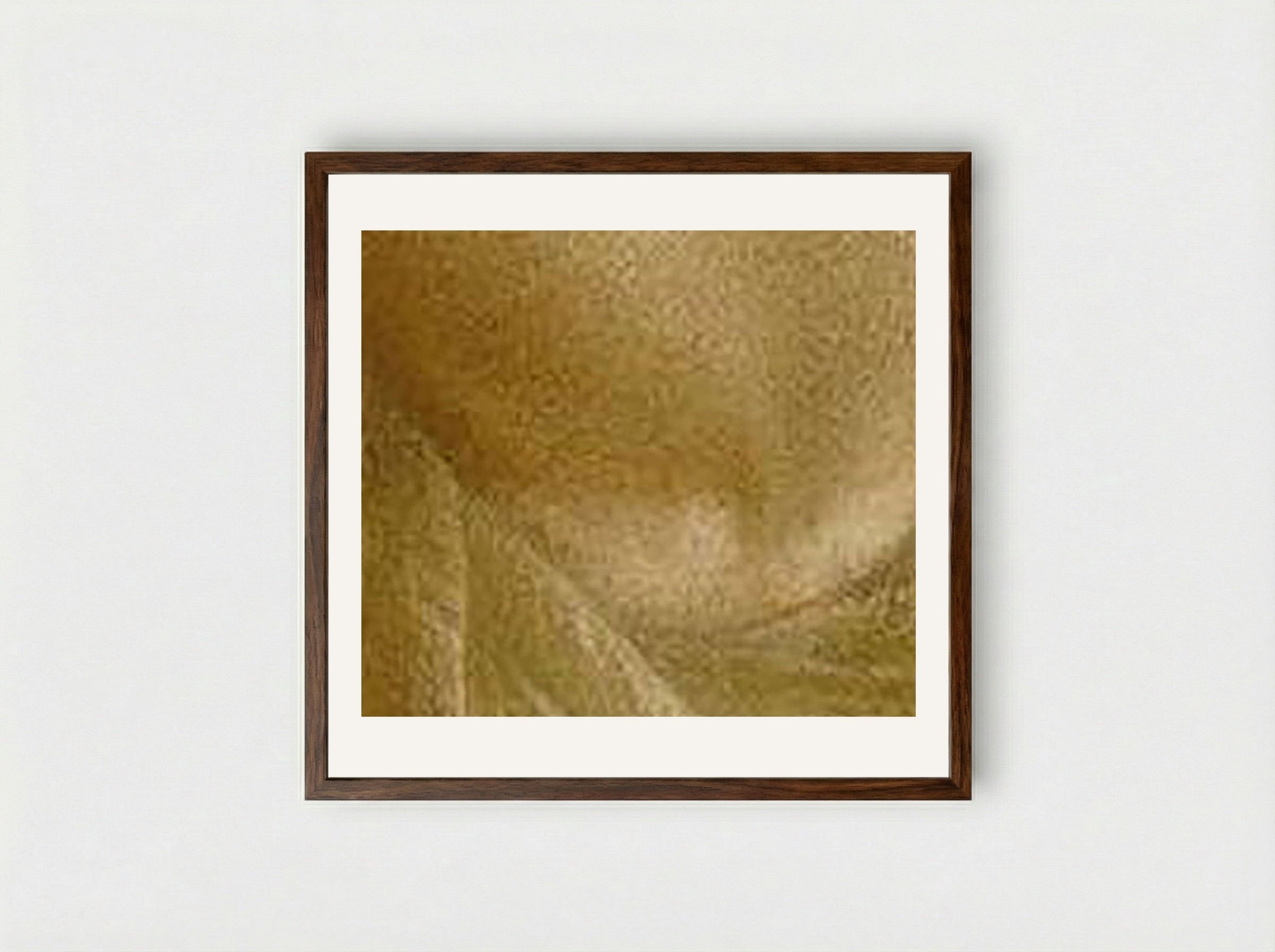
A study by Dante Gabriel Rossetti for his painting 'The Blessed Damozel', this oil on canvas features a melancholic figure with flowing auburn hair, adorned with stars, and lilies in her hands.
This oil on canvas is a study by Dante Gabriel Rossetti for his painting 'The Blessed Damozel'. Rossetti, a British painter, illustrator, poet, and translator, founded the Pre-Raphaelite Brotherhood in 1848 with William Holman Hunt and John Everett Millais. Rossetti's later work was characterised by its sensuality and use of medieval romantic themes. He was inspired by Italian poets such as Dante Alighieri, and often painted portraits of his muses, including Elizabeth Siddal and Jane Morris. In this study, the damozel is depicted with flowing auburn hair, adorned with stars, and lilies in her hands. She leans forward, gazing downwards with a melancholic expression. The colour palette is muted, dominated by soft greens, golds, and creams, which contributes to the ethereal and dreamlike quality of the work. The composition is focused on the figure, with a softly blurred background that suggests a heavenly realm.
Because every print is made to order, we don't offer change-of-mind returns, refunds or exchanges. If your order arrives faulty, damaged or incorrect, we'll replace it free of charge — just contact us within 48 hours of delivery. See our refunds page for full details.
We ship worldwide, printing at the production hub nearest to your delivery address. Delivery times and costs vary by destination — you'll see the options available to you at checkout.
Each print is produced to order using 12-colour giclée printing on FSC-certified archival paper. Designed in Britain and printed at your nearest production hub to reduce waste and speed up delivery.
Specific Features
Every Solis piece is made to order with archival, gallery-quality materials built to last.
Care & Cleaning
To keep your artwork looking its best:
Materials & Sizing
Museum-grade giclée on FSC-certified archival matte paper, with framed and canvas options.

Artist Biography
Made to order
Every piece is printed to order. These are the five finishes, and what makes each one different.
From $39
A giclée print on 200gsm matte fine art paper, using a twelve-colour process for accurate, fade-resistant colour. Supplied unframed, delivered flat or rolled.

From $119
The same fine art print in a solid wood frame with UV-protective acrylic glaze and rigid backing. Five frame colours. Arrives ready to hang.
Why Choose Us ?
Damage-free delivery guarantee
Fast Shipping
Museum-Quality Materials
You May Also Like
We use cookies to measure our marketing and see which prints people love.We use cookies to measure our marketing.
By continuing to browse, you agree · Privacy Policy