

Collection
Jan Van Kessel The Elder
Explore curated art prints selected for distinctive homes and considered interiors.
Suggested filters
-

 The Soap Bubbles - Jan van Kessel the Elder
Print · Framed · Canvas
Regular price From $29.00 USDSale price From $29.00 USD Regular price -
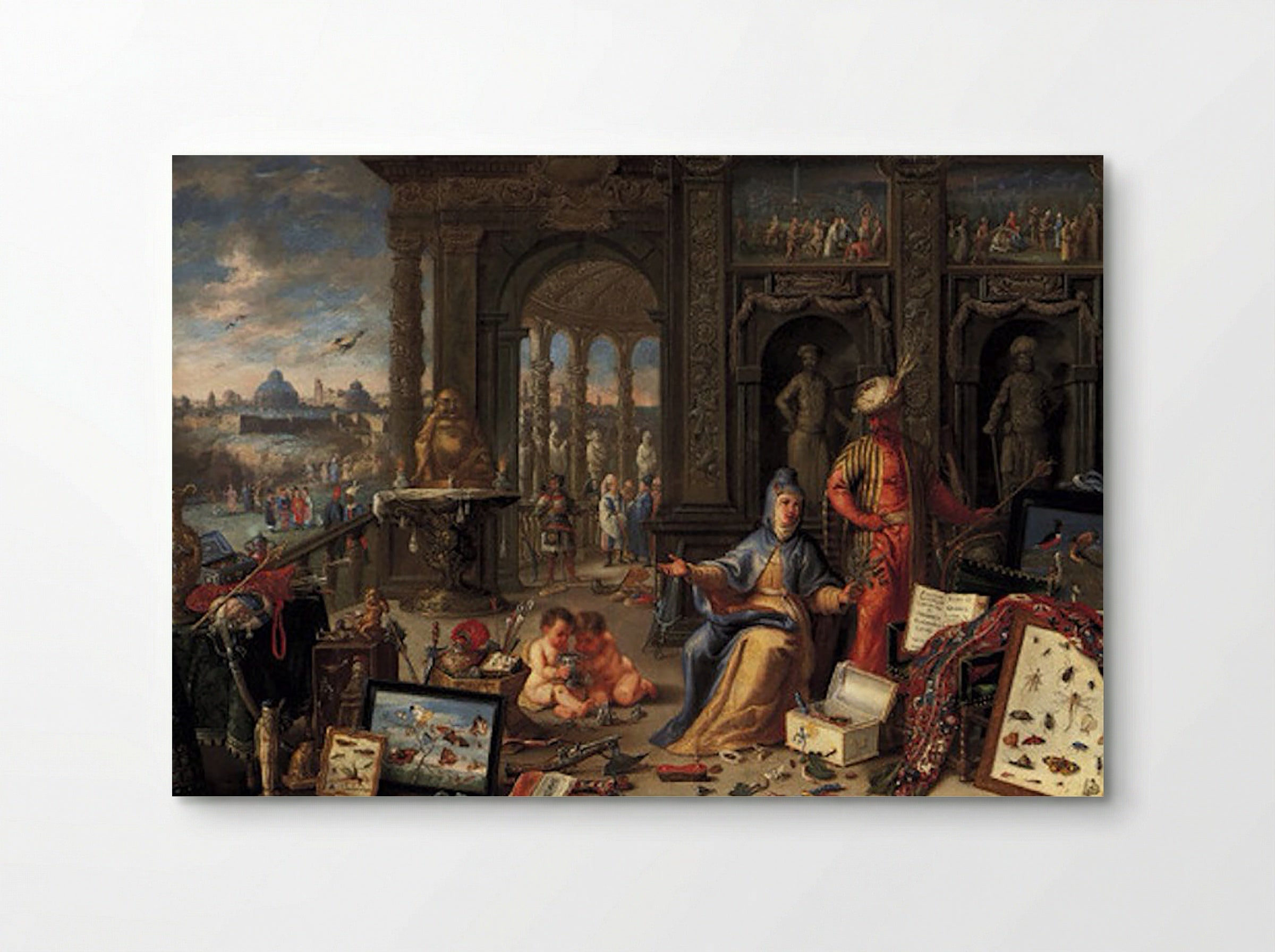
 Asia - Jan van Kessel the Elder
Print · Framed · Canvas
Regular price From $29.00 USDSale price From $29.00 USD Regular price -
 The Virgin and Child, in a Sculpted Cartouche, Surrounded by Garlands of Roses, Tulips, Carnations, Lillies and Other Flowers - Jan van Kessel the Elder
Print
Regular price From $29.00 USDSale price From $29.00 USD Regular price -
 Flower Still Life - Jan van Kessel the Elder
Print
Regular price From $29.00 USDSale price From $29.00 USD Regular price -

 Roses, tulips, an iris and other flowers, in a glass vase on a stone plinth, with butterflies and other insects - Jan van Kessel the Elder
Print · Framed
Regular price From $29.00 USDSale price From $29.00 USD Regular price -

 Concert of Birds - Jan van Kessel the Elder
Print · Framed
Regular price From $29.00 USDSale price From $29.00 USD Regular price -

 The Four Elements - Jan van Kessel the Elder
Print · Framed
Regular price From $39.00 USDSale price From $39.00 USD Regular price -

 Flowers and Butterflies in Front of a Sculpted Cartouche - Jan van Kessel the Elder
Print · Framed
Regular price From $29.00 USDSale price From $29.00 USD Regular price -

 Insects and Reptiles - Jan van Kessel the Elder
Print · Framed
Regular price From $29.00 USDSale price From $29.00 USD Regular price -
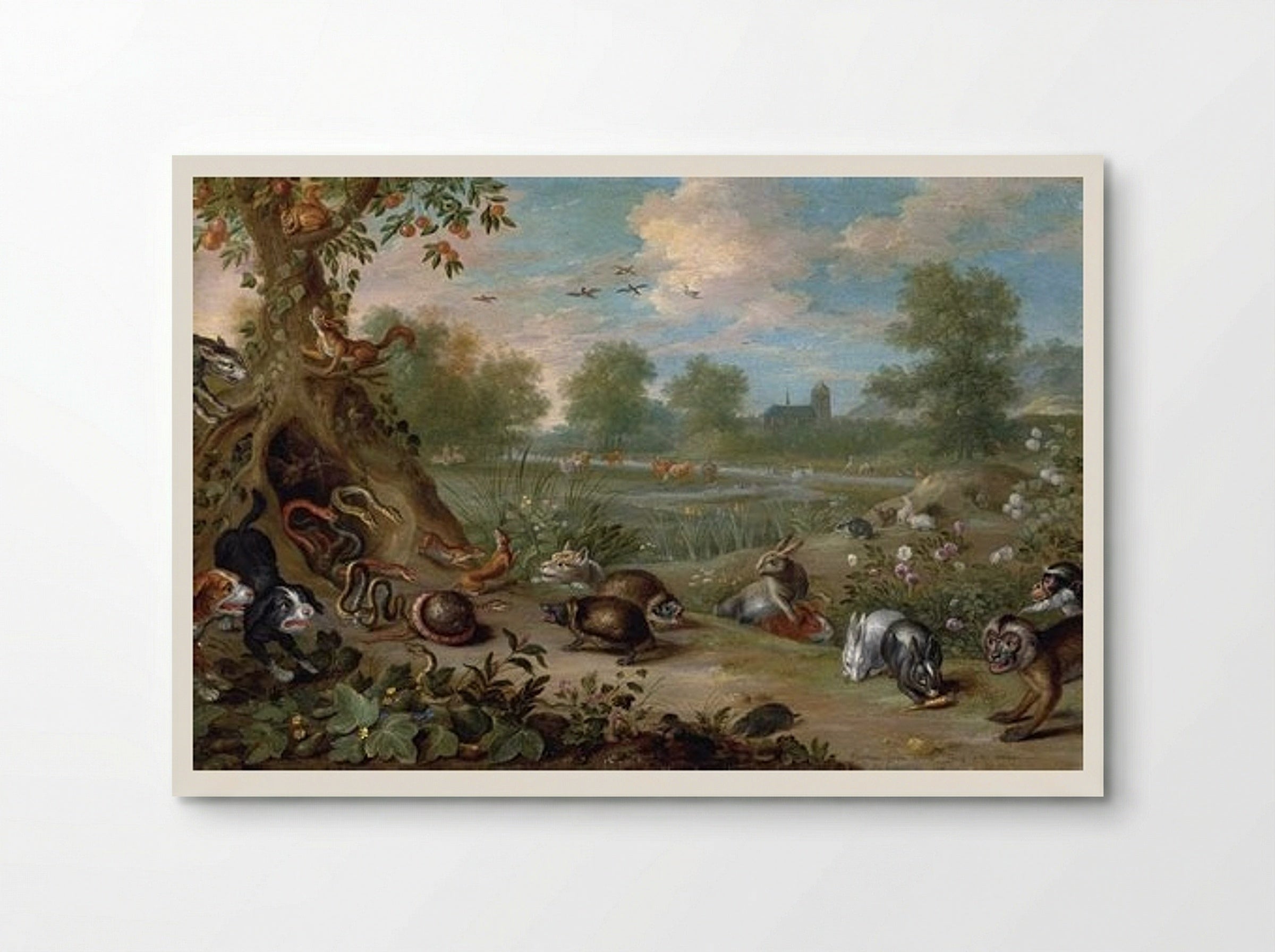
 Allegory of the Garden of Eden - Jan van Kessel the Elder
Print · Framed
Regular price From $29.00 USDSale price From $29.00 USD Regular price -

 Emblems of War - Jan van Kessel the Elder
Print · Framed
Regular price From $29.00 USDSale price From $29.00 USD Regular price -

 Festoon, Masks and Rosettes Made of Shells - Jan van Kessel the Elder
Print · Framed
Regular price From $29.00 USDSale price From $29.00 USD Regular price -

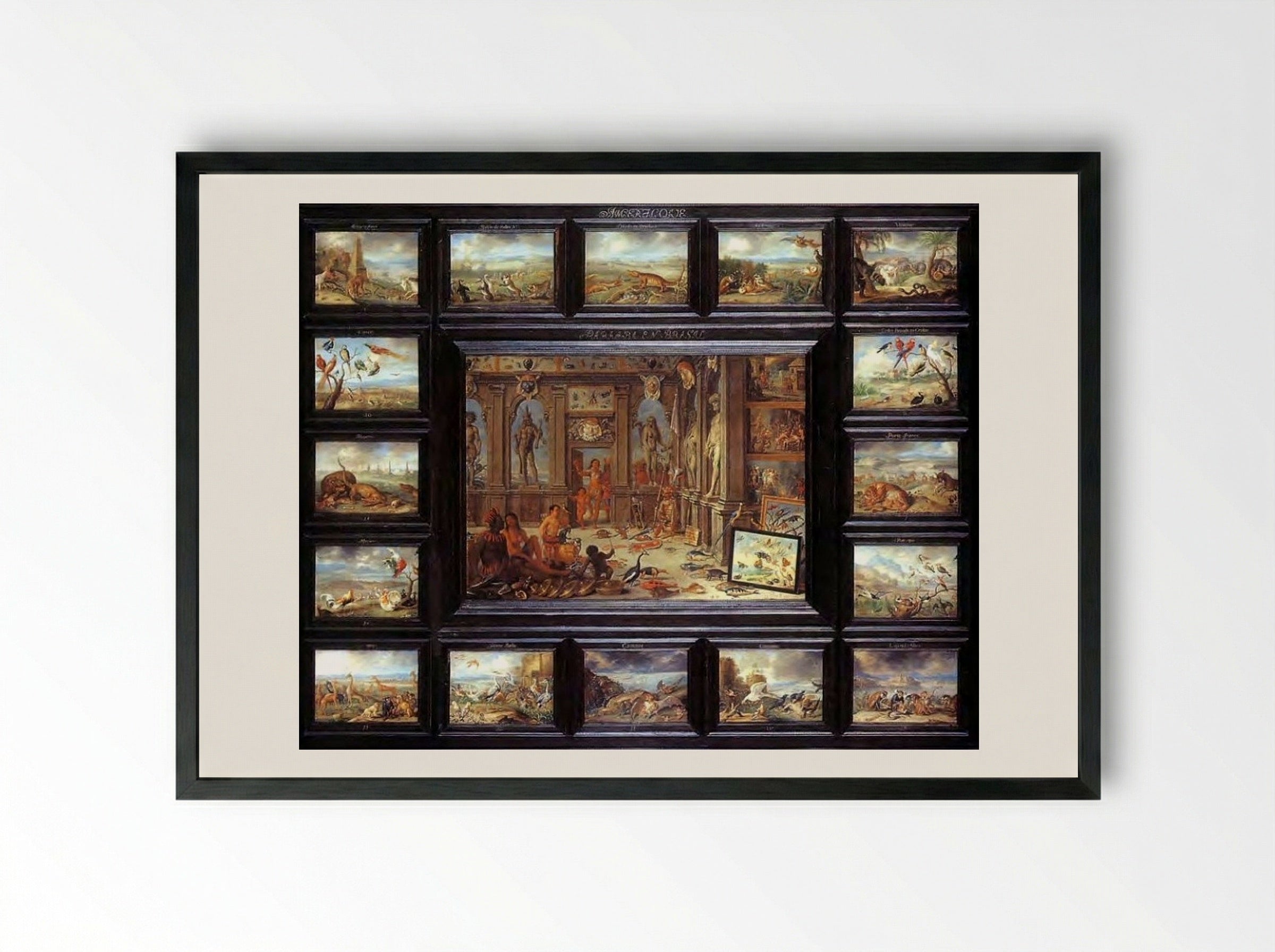 America - Jan van Kessel the Elder
Print · Framed
Regular price From $29.00 USDSale price From $29.00 USD Regular price -

 Still life with grapes and other fruit on a platter, a glass vase with tulips, a melon, apricots, cherries and other fruit, all on a ledge - Jan van Kessel the Elder
Print · Framed
Regular price From $29.00 USDSale price From $29.00 USD Regular price -

 A Swag of Flowers Fixed with Two Blue Ribbons - Jan van Kessel the Elder
Print · Framed
Regular price From $29.00 USDSale price From $29.00 USD Regular price -

 A Wreath of Flowers Surrounding a Cartouche with the Holy Family and Putti - Jan van Kessel the Elder
Print · Framed
Regular price From $29.00 USDSale price From $29.00 USD Regular price -
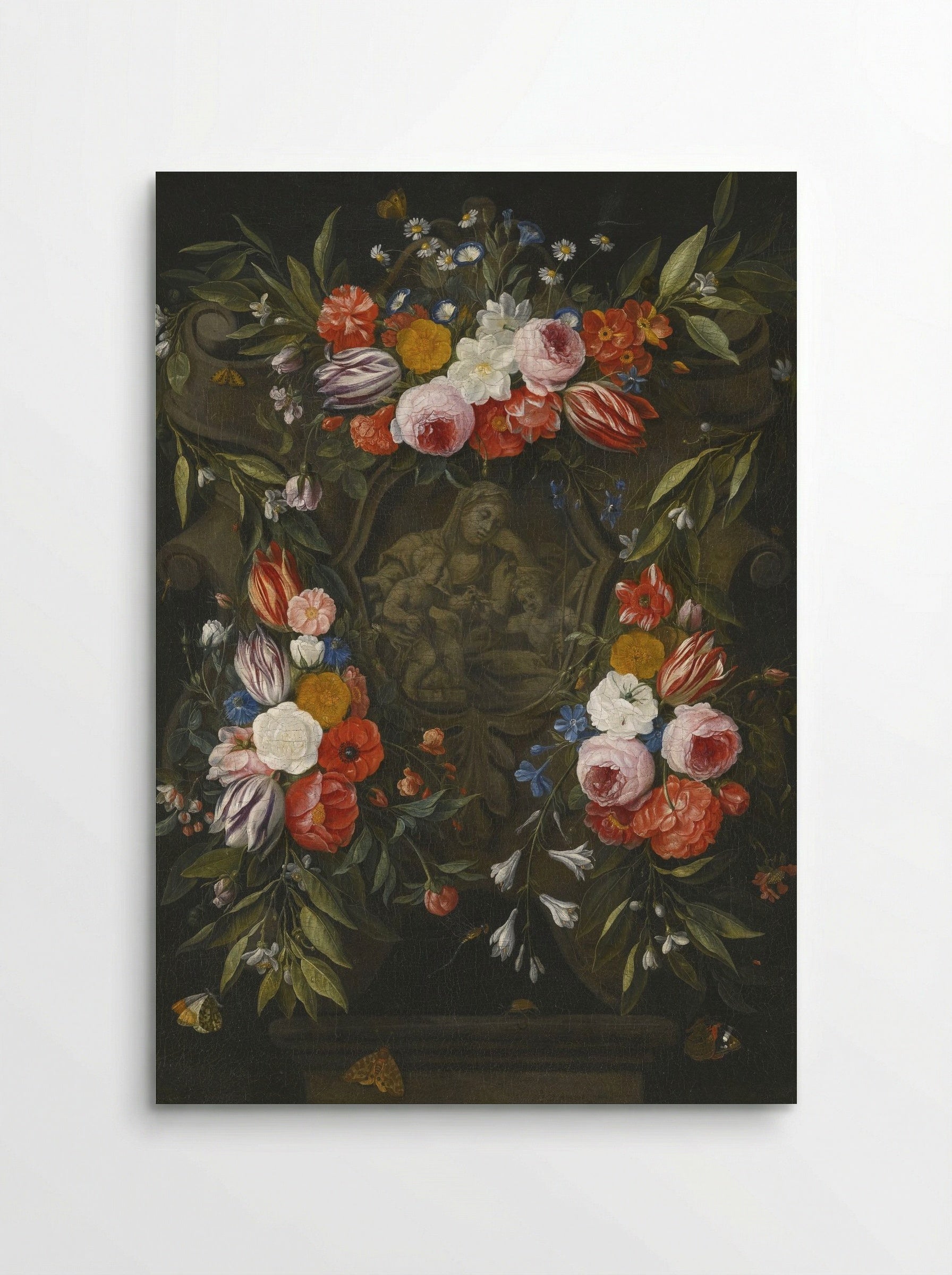
 A Garland of Flowers Around a Stone Cartouche Depicting the Virgin and Child and Saint John - Jan van Kessel the Elder
Print · Framed
Regular price From $29.00 USDSale price From $29.00 USD Regular price -

 The Continent of Africa - Jan van Kessel the Elder
Print · Framed
Regular price From $29.00 USDSale price From $29.00 USD Regular price -

 A sprig of redcurrants with an elephant hawk moth, a ladybird, a millipede and other insects - Jan van Kessel the Elder
Print · Framed
Regular price From $29.00 USDSale price From $29.00 USD Regular price -

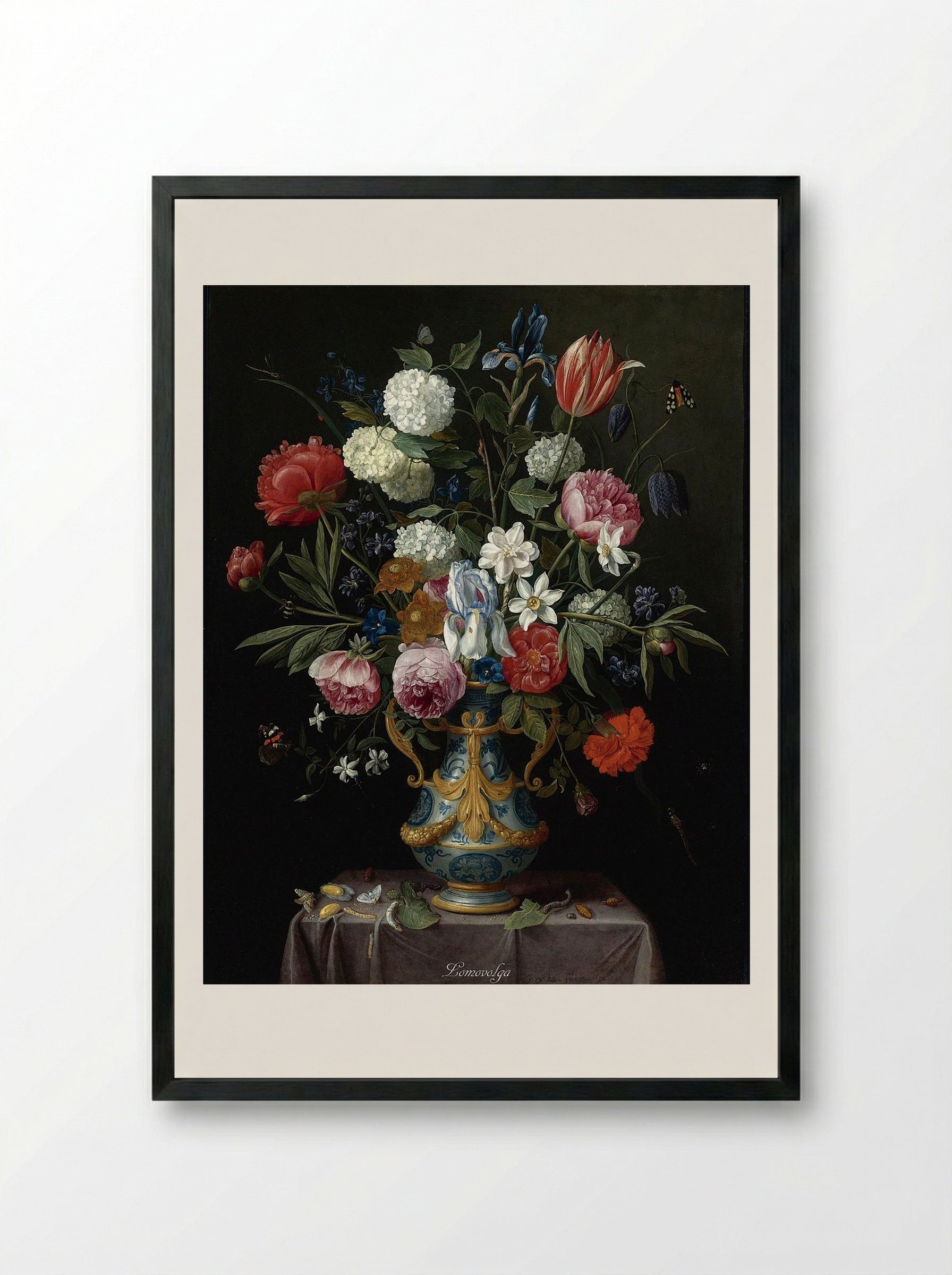 Still Life of Irises, Peonies, Narcissi, a Tulip and Other Flowers in a Blue-and-White Porcelain Vase with Ormolu Mounts on a Draped Pedestal - Jan van Kessel the Elder
Print · Framed
Regular price From $29.00 USDSale price From $29.00 USD Regular price


Artist Biography
Jan Van Kessel The Elder
Van Kessel had thirteen children and numerous debts. He was captain of the Civic Guard in Antwerp, a productive artist with royal clients, and still died owing money. The combination of civic standing and insolvency was not unusual for seventeenth-century Flemish painters, but the scale of his family made it harder to manage.
He was born in Antwerp in 1626, the grandson of Jan Brueghel the Elder through his mother Paschasia. He studied under Simon de Vos and later received instruction from his uncle and godfather Jan Brueghel the Younger. He became a master in the Guild of Saint Luke in 1644 as a flower painter, though flowers were only one of his subjects. He painted garlands, bouquets, marines, river landscapes, paradise scenes, allegories and genre subjects, but he is best known for tiny, jewel-like paintings of insects and shells on copper, depicted against light backgrounds with scientific exactitude.
He worked from nature and from illustrated scientific texts, blending direct observation with published sources. His small insect panels were sometimes produced in pairs or as series designed to decorate the fronts of cabinet drawers where collectors stored actual specimens. The paintings served as both art and catalogue.
He used two different signatures depending on the size of the painting: a cursive, decorative version for larger formats and a more compact form for miniatures. The practice was later misinterpreted as evidence that two different painters were at work. He spent time in Spain as court painter to Philip IV and as a captain in the King's army, probably in the late 1640s. He married Maria van Apshoven in 1647; of their thirteen children, Ferdinand and Jan the Younger also became painters. He died in Antwerp in 1679.
He was born in Antwerp in 1626, the grandson of Jan Brueghel the Elder through his mother Paschasia. He studied under Simon de Vos and later received instruction from his uncle and godfather Jan Brueghel the Younger. He became a master in the Guild of Saint Luke in 1644 as a flower painter, though flowers were only one of his subjects. He painted garlands, bouquets, marines, river landscapes, paradise scenes, allegories and genre subjects, but he is best known for tiny, jewel-like paintings of insects and shells on copper, depicted against light backgrounds with scientific exactitude.
He worked from nature and from illustrated scientific texts, blending direct observation with published sources. His small insect panels were sometimes produced in pairs or as series designed to decorate the fronts of cabinet drawers where collectors stored actual specimens. The paintings served as both art and catalogue.
He used two different signatures depending on the size of the painting: a cursive, decorative version for larger formats and a more compact form for miniatures. The practice was later misinterpreted as evidence that two different painters were at work. He spent time in Spain as court painter to Philip IV and as a captain in the King's army, probably in the late 1640s. He married Maria van Apshoven in 1647; of their thirteen children, Ferdinand and Jan the Younger also became painters. He died in Antwerp in 1679.



Why Choose Us ?