

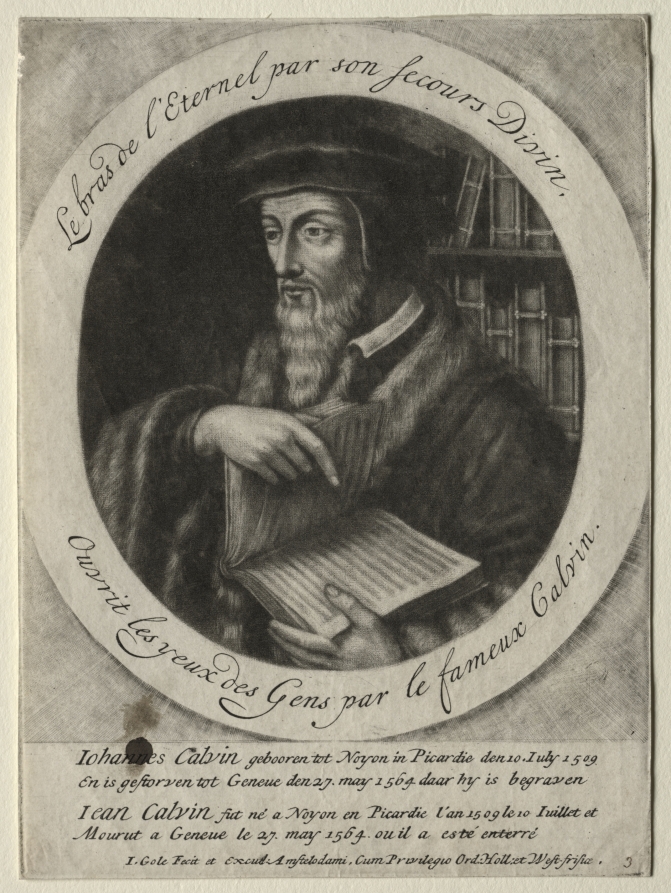


1660–1737
Jacob Gole
Jacob Gole lived from 1660 until 1737. His known works include Portret van maarschalk Louis François, hertog van Boufflers, Christus aan het kruis, and Karikaturen op de Franse geestelijkheid onder Lodewijk XIV.

Biography
Other works by Gole include Monnik met habijt in de hand, Monnik met een kruis, Monnik en een vleermuis, Monnik met een beeld van Maria, Monnik en een huilende man, and Monnik met vuur en water.
Notable Works
Tap to view larger.
Next stop
Browse the movements →
Every movement in the collection, from the Renaissance to Pop art.
Jacob Gole prints
Hand-finished archival prints from Jacob Gole's body of work.


Take Jacob Gole home.
See all Jacob Gole prints →Frequently Asked Questions
When was Jacob Gole born?
Jacob Gole was born in 1660 and died in 1737.What is Jacob Gole known for?
Jacob Gole is known for jacob Gole was an artist who lived from 1660 until 1737.