

1753–1818 · Netherlands
Jan Lucas van der Beek
Jan Lucas van der Beek was an artist from the Netherlands. He lived from 1753 until 1818.
Biography
Solis Prints offers fine art prints of his work, including Kampement Woudenberg (voorzijde), Nachtvergaderingen der Adamieten, Vrijgelaten burger deputatie verwelkomd op de Dam, 1795, and Wederdopers lopen naakt over de Dam te Amsterdam, 1535.
Notable Works
Tap to view larger.
Next stop
Browse the movements →
Every movement in the collection, from the Renaissance to Pop art.
Jan Lucas van der Beek prints
Hand-finished archival prints from Jan Lucas van der Beek's body of work.
 Kalligrafische allegorie op de Alliantie in 1795 - Jan Lucas van der Beek
From £28.00
Kalligrafische allegorie op de Alliantie in 1795 - Jan Lucas van der Beek
From £28.00
 Zittend mannelijk naakt, van voren gezien (3e prijs 1776) - Jan Lucas van der Beek
From £28.00
Zittend mannelijk naakt, van voren gezien (3e prijs 1776) - Jan Lucas van der Beek
From £28.00
 Nachtvergaderingen der Adamieten - Jan Lucas van der Beek
From £28.00
Nachtvergaderingen der Adamieten - Jan Lucas van der Beek
From £28.00
 Verbranding van De Post van de Neder-Rhijn op schavot voor stadhuis te Arnhem op 22 april 1786 - Jan Lucas van der Beek
From £28.00
Verbranding van De Post van de Neder-Rhijn op schavot voor stadhuis te Arnhem op 22 april 1786 - Jan Lucas van der Beek
From £28.00
 Vrijgelaten burger deputatie verwelkomd op de Dam, 1795 - Jan Lucas van der Beek
From £28.00
Vrijgelaten burger deputatie verwelkomd op de Dam, 1795 - Jan Lucas van der Beek
From £28.00
Related Artists
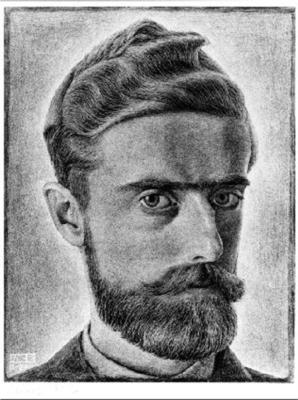


Take Jan Lucas van der Beek home.
See all Jan Lucas van der Beek prints →Frequently Asked Questions
When was Jan Lucas van der Beek born?
Jan Lucas van der Beek was born in 1753 and died in 1818.What is Jan Lucas van der Beek known for?
Jan Lucas van der Beek is known for jan Lucas van der Beek was an artist from the Netherlands who lived from 1753 until 1818.