



John Baptist Jackson
John Baptist Jackson spent much of his career attempting to perfect a method for printing wallpapers that looked like oil paintings. Before returning to England to open a factory in Battersea, he lived in Venice for several years. There, he studied the works of Renaissance masters and developed a technique using multiple woodblocks to create tonal depth. His ambition was to provide the public with affordable versions of large Italian paintings.
Biography
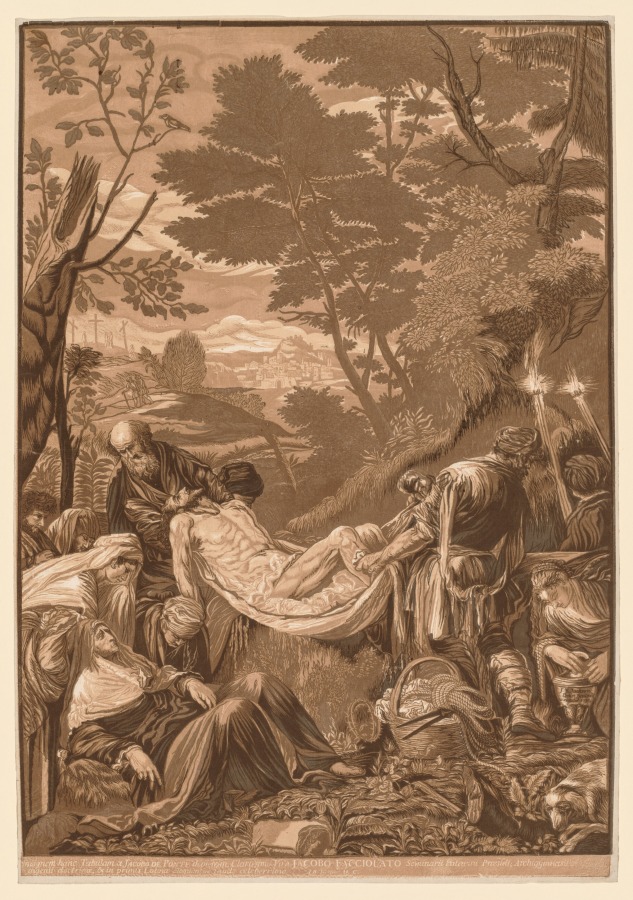
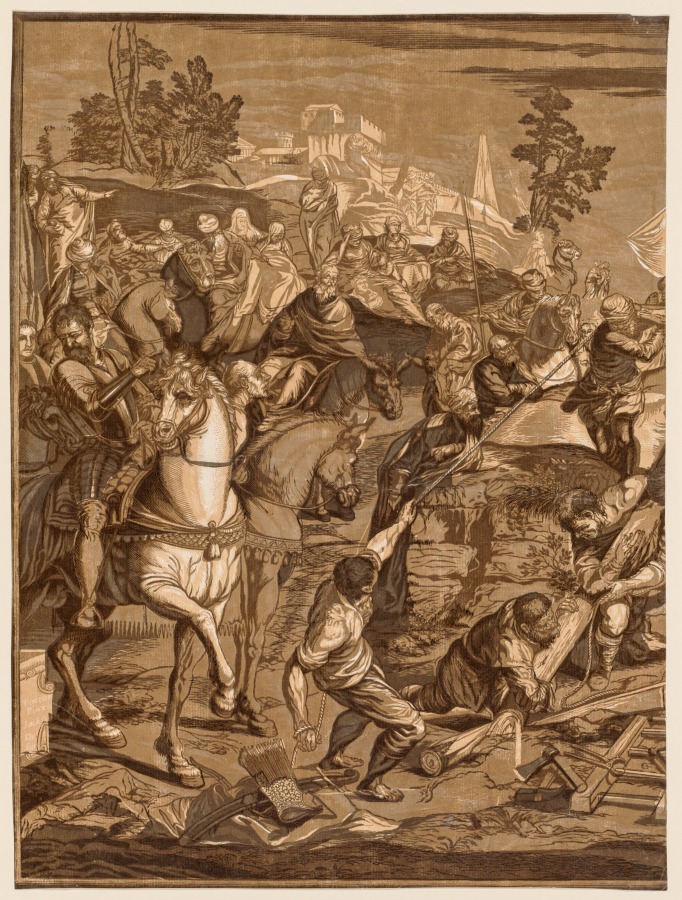
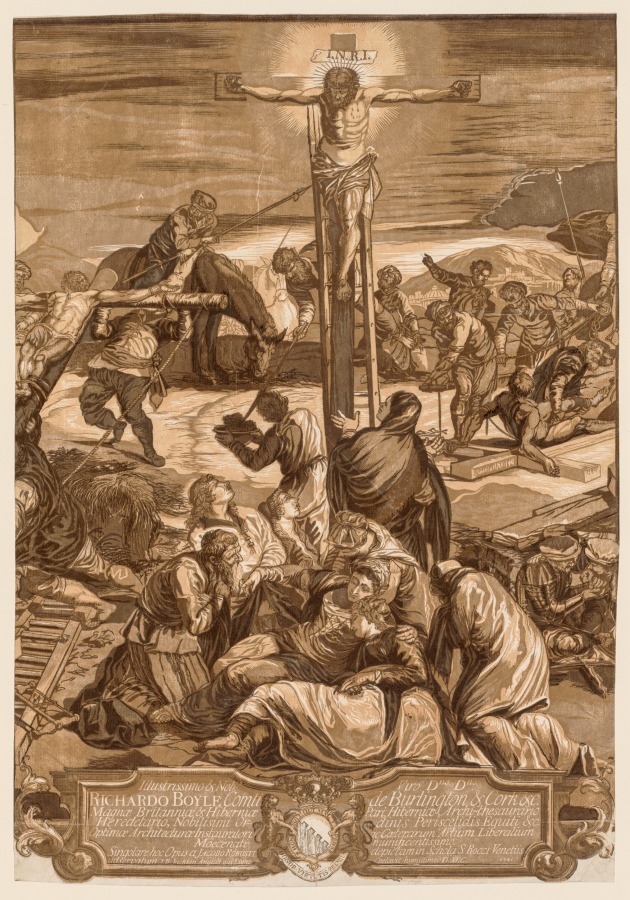
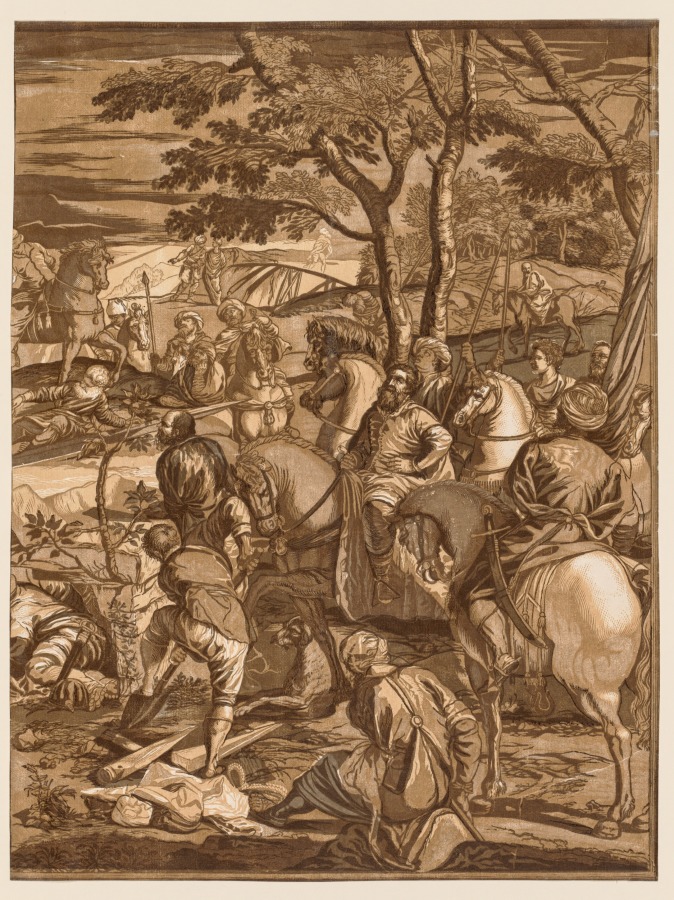
His approach relied on the chiaroscuro woodcut method. Jackson used oil-based inks rather than water-based ones, which allowed for a saturated appearance. He often employed as many as ten different blocks for a single woodcut to capture the nuances of light and shadow. This technical process aimed to reproduce the heavy textures and tonal shifts found in the paintings of Titian and Tintoretto. The resulting woodcuts possess a weight and presence unusual for 18th-century paper works.
These woodcuts appeal to contemporary collectors because of their bold graphic structure. The heavy outlines and layered tones create a sculptural effect that fits well in modern interiors. Jackson marketed these woodcuts as a form of fine art meant for domestic decoration. These woodcuts offer a way to bring the scale of Venetian religious paintings into modern interiors through a mechanical process.
Notable Works
Tap to view larger.
Frequently Asked Questions
When was John Baptist Jackson born?
John Baptist Jackson was born in 1701 and died in 1773.What is John Baptist Jackson known for?
John Baptist Jackson is known for john Baptist Jackson was an 18th-century English engraver who used the chiaroscuro woodcut technique and oil-based inks to reproduce Italian Renaissance paintings on paper.


