



Soga Shōhaku
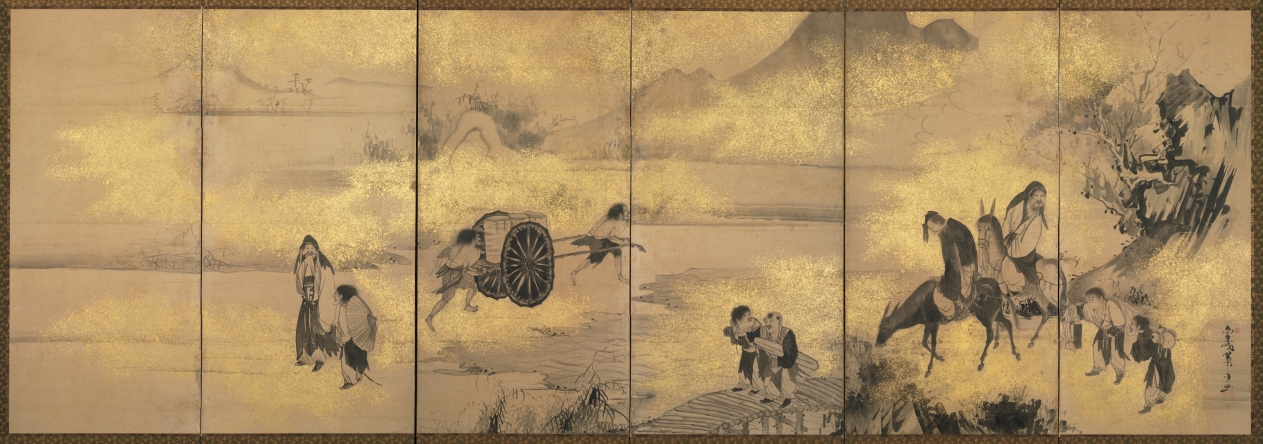
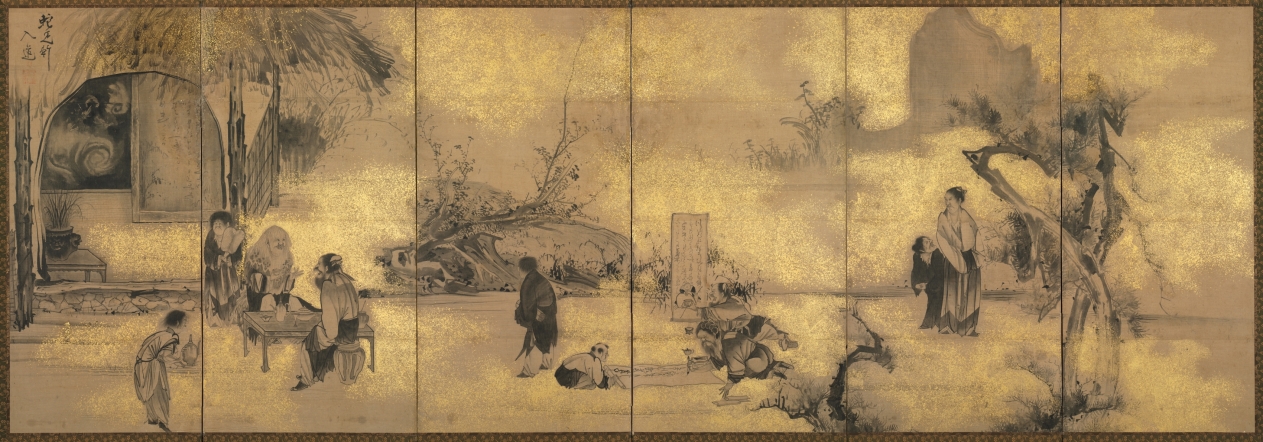
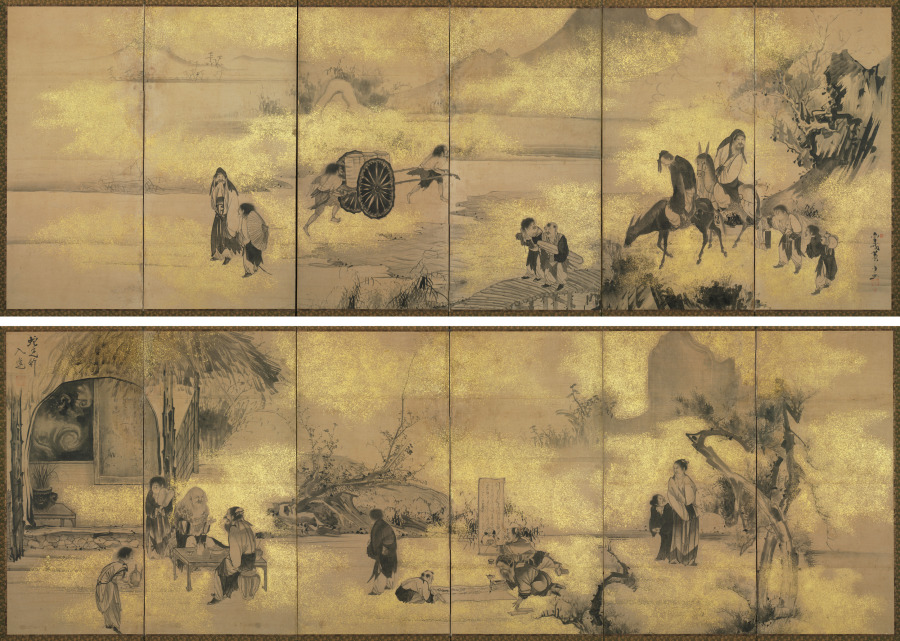
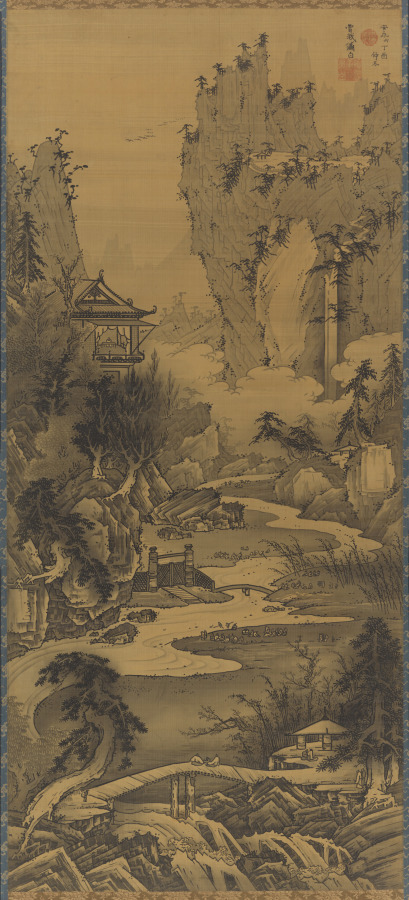
Soga Shōhaku was an artist. Solis Prints sells fine art prints of his work, including Chinese Scholar Contemplating a Waterfall, Cranes, Lions at the Stone Bridge of Mount Tiantai, Mountain Landscape, and Orchid Pavilion Gathering.
Notable Works
Tap to view larger.
Next stop
Browse the movements →
Every movement in the collection, from the Renaissance to Pop art.
Soga Shōhaku prints
Hand-finished archival prints from Soga Shōhaku's body of work.
 Tōkaibō with a Fishing Basket - Soga Shōhaku
From £28.00
Tōkaibō with a Fishing Basket - Soga Shōhaku
From £28.00
 Lions at the Stone Bridge of Mount Tiantai - Soga Shōhaku
From £28.00
Lions at the Stone Bridge of Mount Tiantai - Soga Shōhaku
From £28.00
 Mountain Landscape - Soga Shōhaku
From £28.00
Mountain Landscape - Soga Shōhaku
From £28.00
 Cranes - Soga Shōhaku
From £37.00
Cranes - Soga Shōhaku
From £37.00
 Chinese Scholar Contemplating a Waterfall - Soga Shōhaku
From £37.00
Chinese Scholar Contemplating a Waterfall - Soga Shōhaku
From £37.00
 The God of Good Fortune Jurōjin - Soga Shōhaku
From £28.00
The God of Good Fortune Jurōjin - Soga Shōhaku
From £28.00
Take Soga Shōhaku home.
See all Soga Shōhaku prints →Frequently Asked Questions
What is Soga Shōhaku known for?
Soga Shōhaku is known for soga Shōhaku was an artist whose work is available as fine art prints through Solis Prints.