

Collection
Marc Chagall
Explore curated art prints selected for distinctive homes and considered interiors.
Suggested filters
-
 The Wedding - Marc Chagall
Print
Regular price From $29.00 USDSale price From $29.00 USD Regular price -
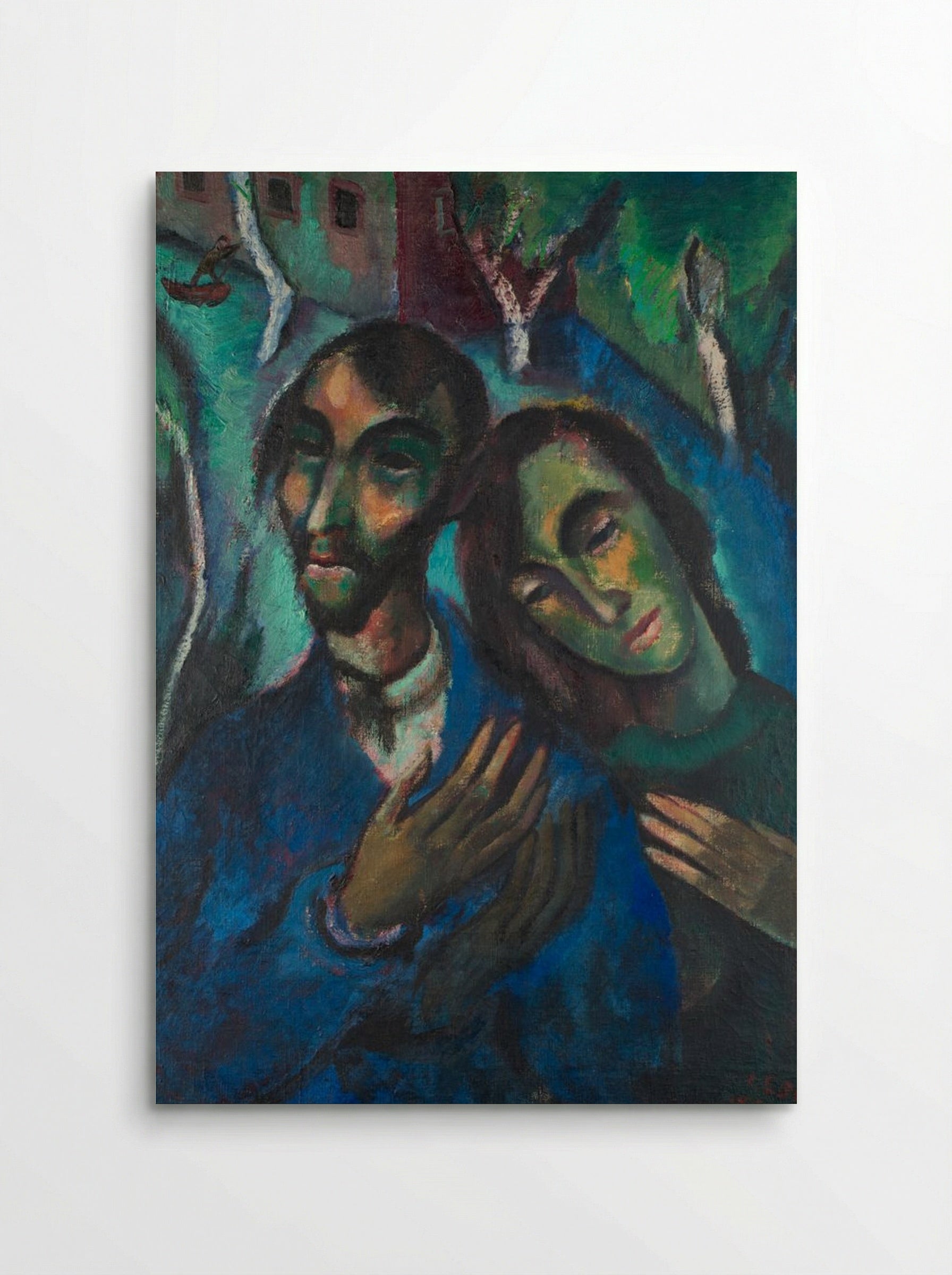
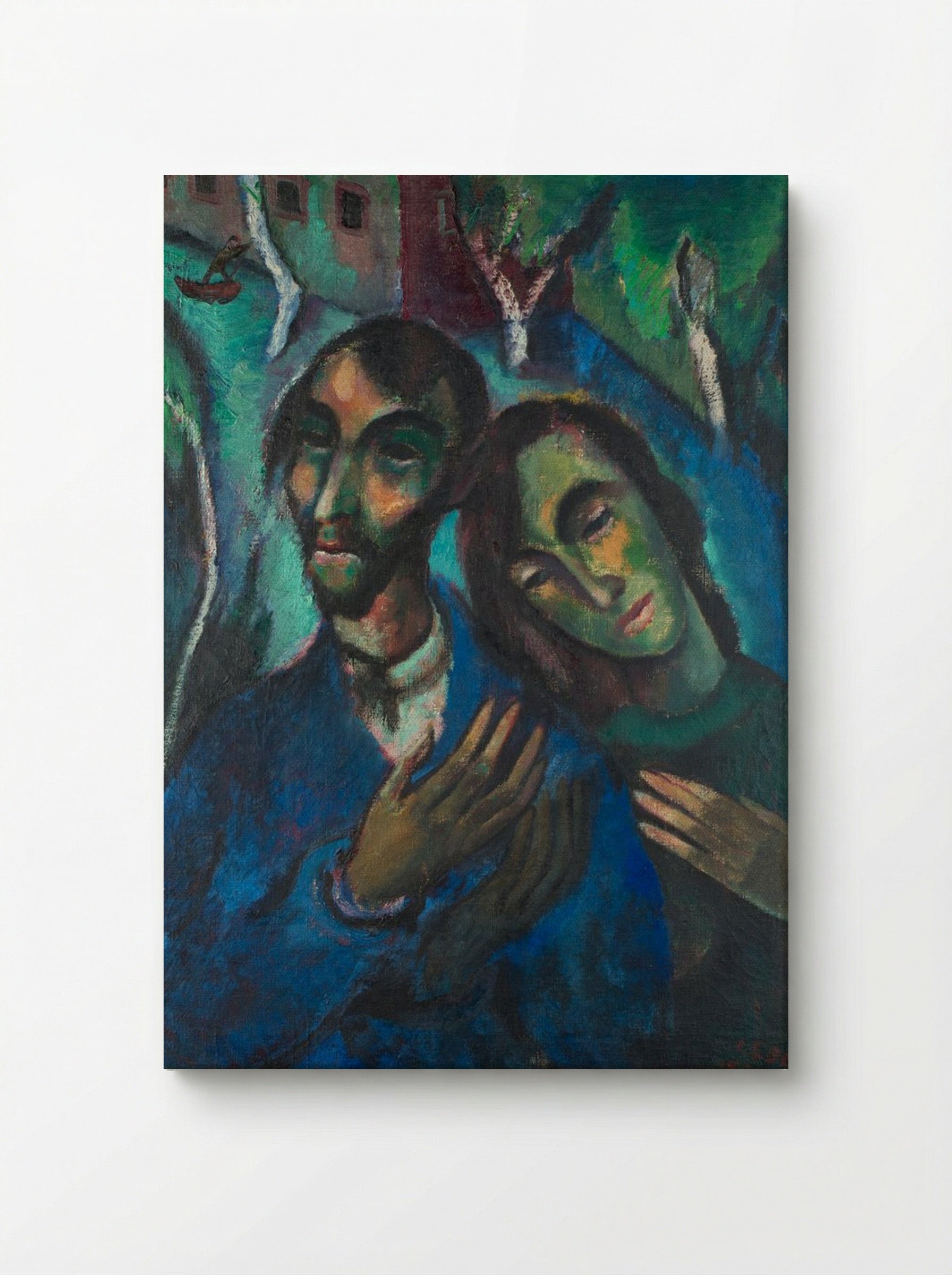 The Lovers - Marc Chagall
Print · Framed · Canvas
Regular price From $29.00 USDSale price From $29.00 USD Regular price -
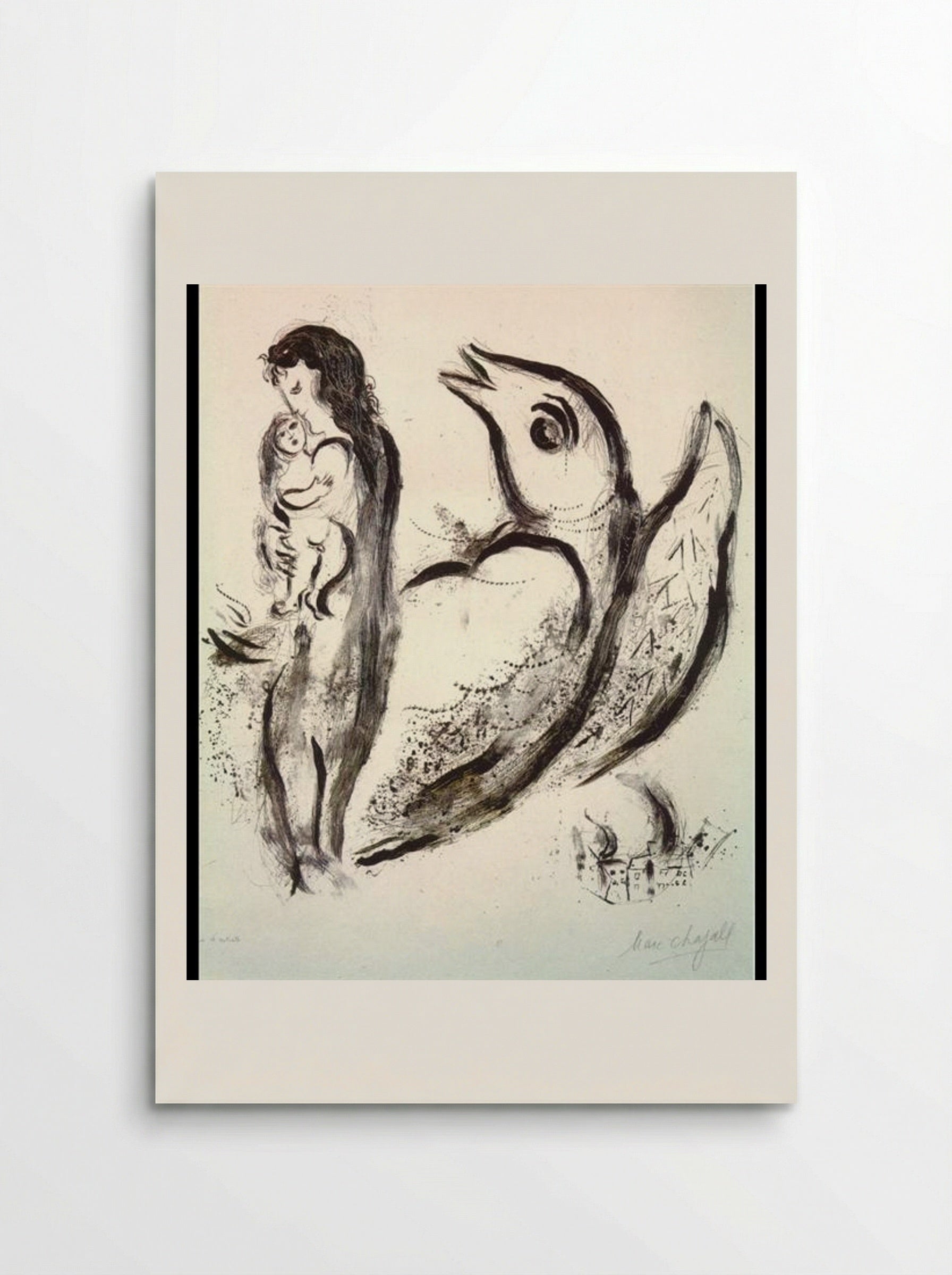 Homage to Hungary - Marc Chagall
Print
Regular price From $29.00 USDSale price From $29.00 USD Regular price -
 Tree of Jesse - Marc Chagall
Print
Regular price From $29.00 USDSale price From $29.00 USD Regular price -
 Madonna of the Village - Marc Chagall
Print
Regular price From $39.00 USDSale price From $39.00 USD Regular price -
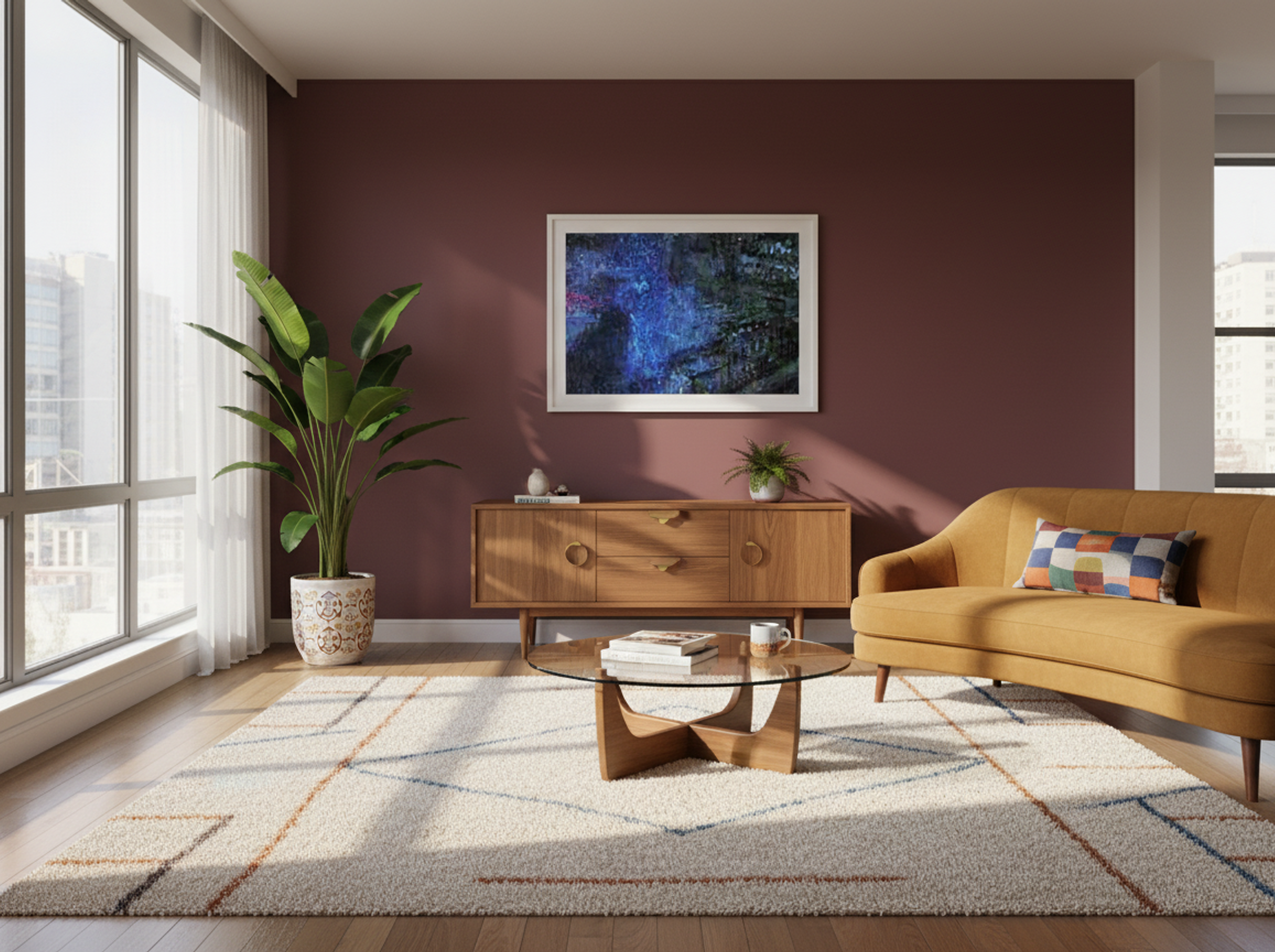 Bridges over the Seine - Marc Chagall
Print · Framed
Regular price From $29.00 USDSale price From $29.00 USD Regular price -
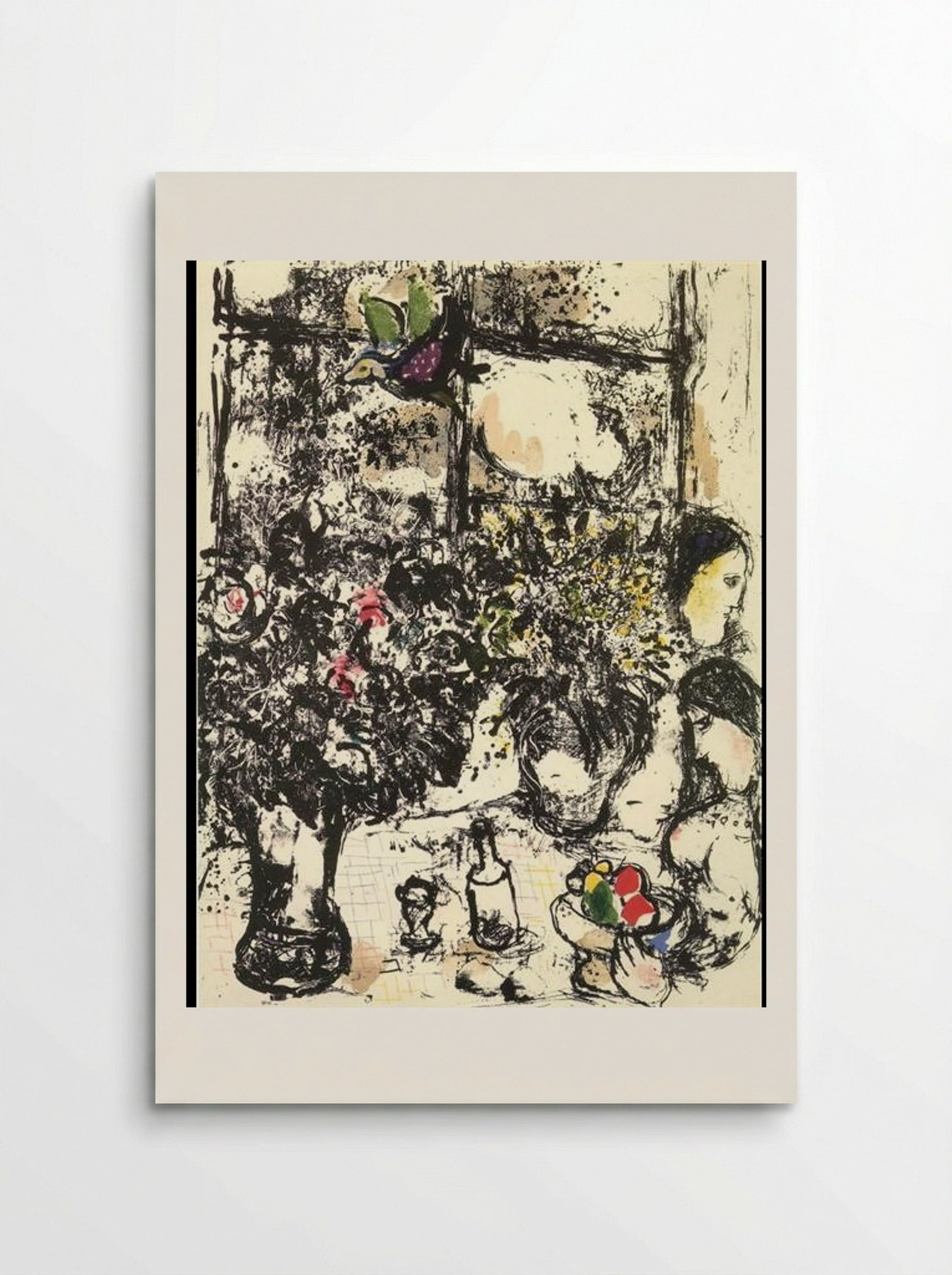
 Still Life with Bouquet - Marc Chagall
Print · Framed
Regular price From $29.00 USDSale price From $29.00 USD Regular price -

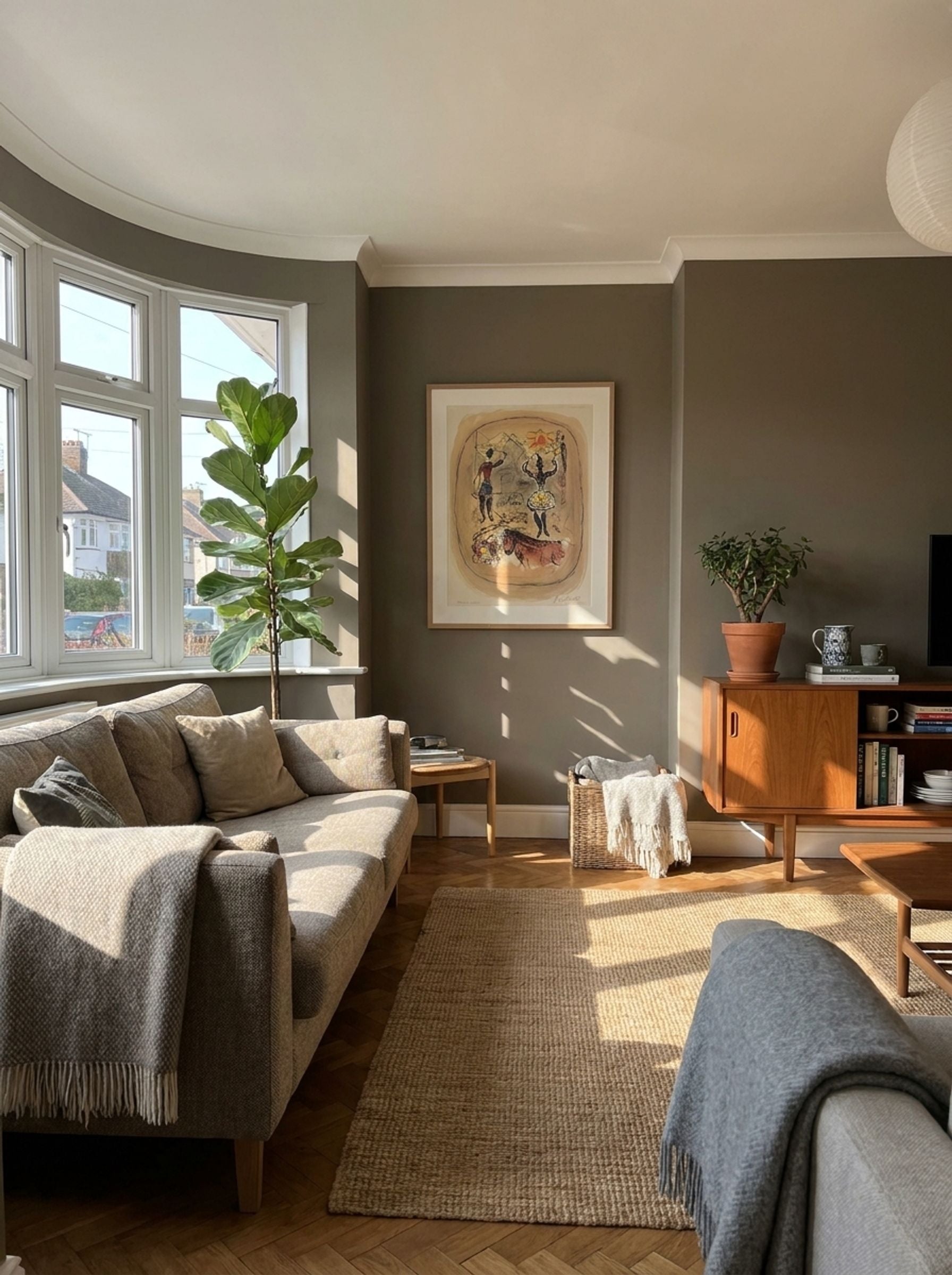 The Starlit Circus - Marc Chagall
Print · Framed
Regular price From $29.00 USDSale price From $29.00 USD Regular price -

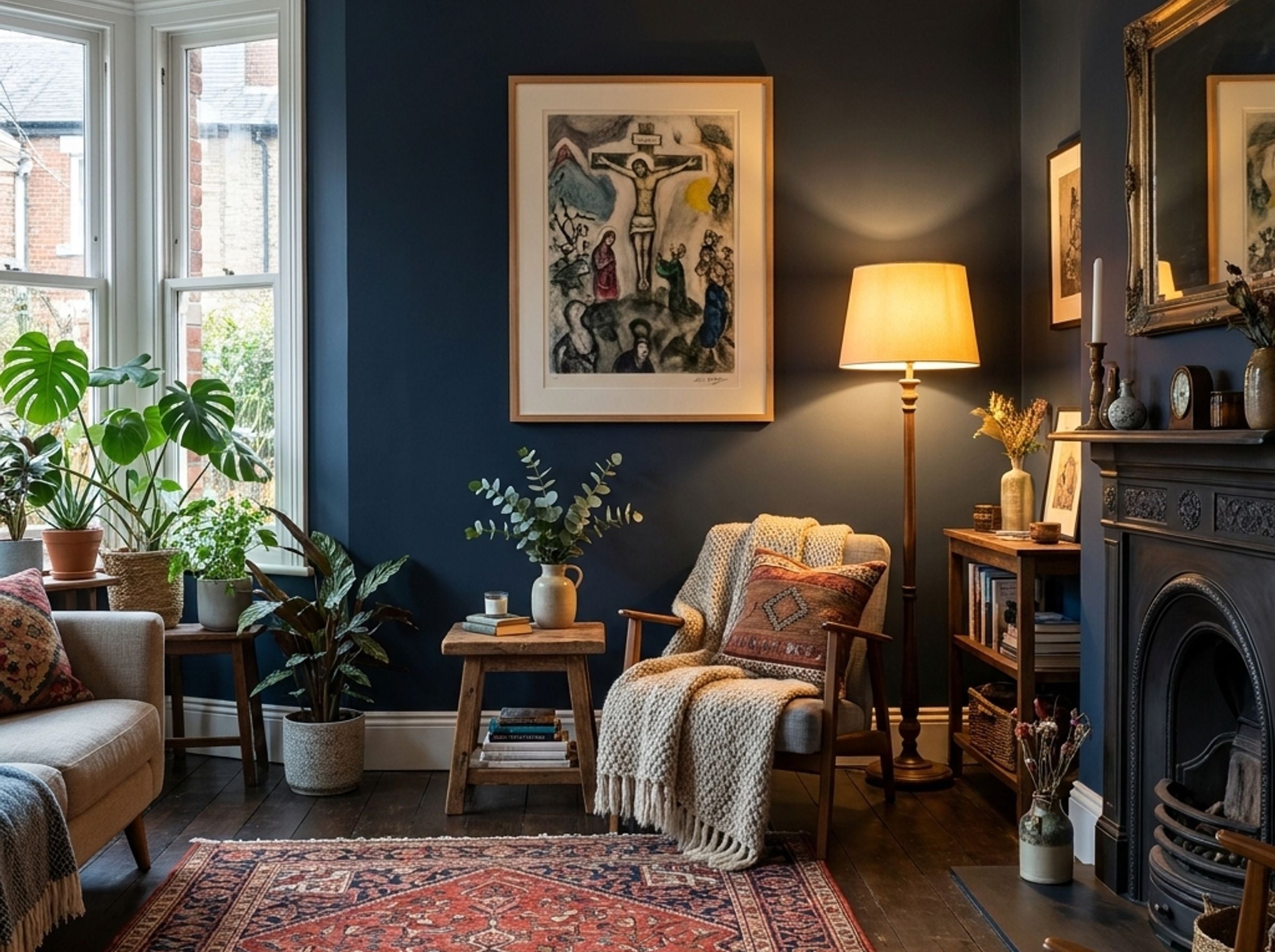 Golgotha - Marc Chagall
Print · Framed
Regular price From $39.00 USDSale price From $39.00 USD Regular price -

 Madonna with the Sleigh - Marc Chagall
Print · Framed
Regular price From $29.00 USDSale price From $29.00 USD Regular price -

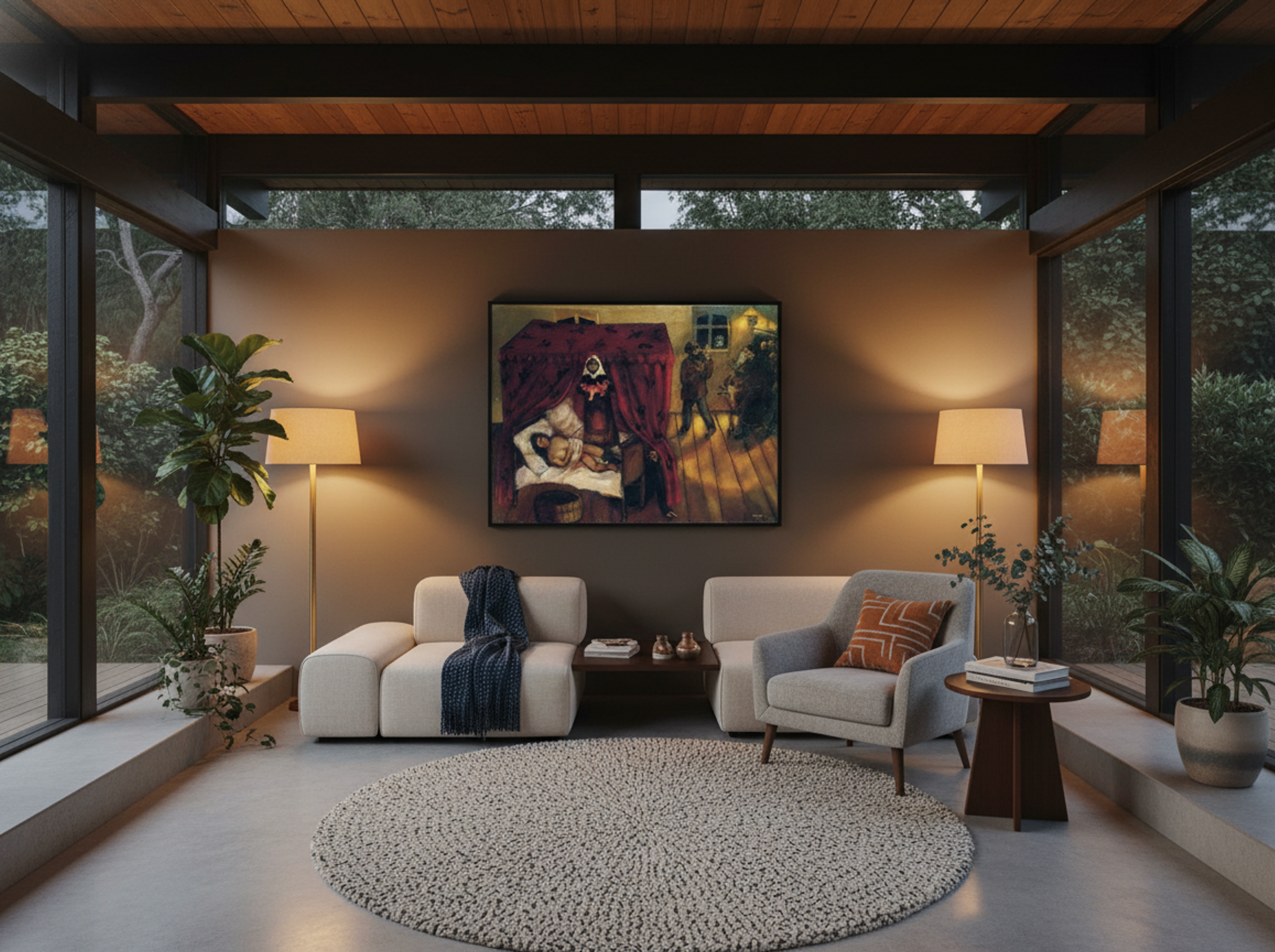 Birth - Marc Chagall
Print · Framed
Regular price From $29.00 USDSale price From $29.00 USD Regular price -
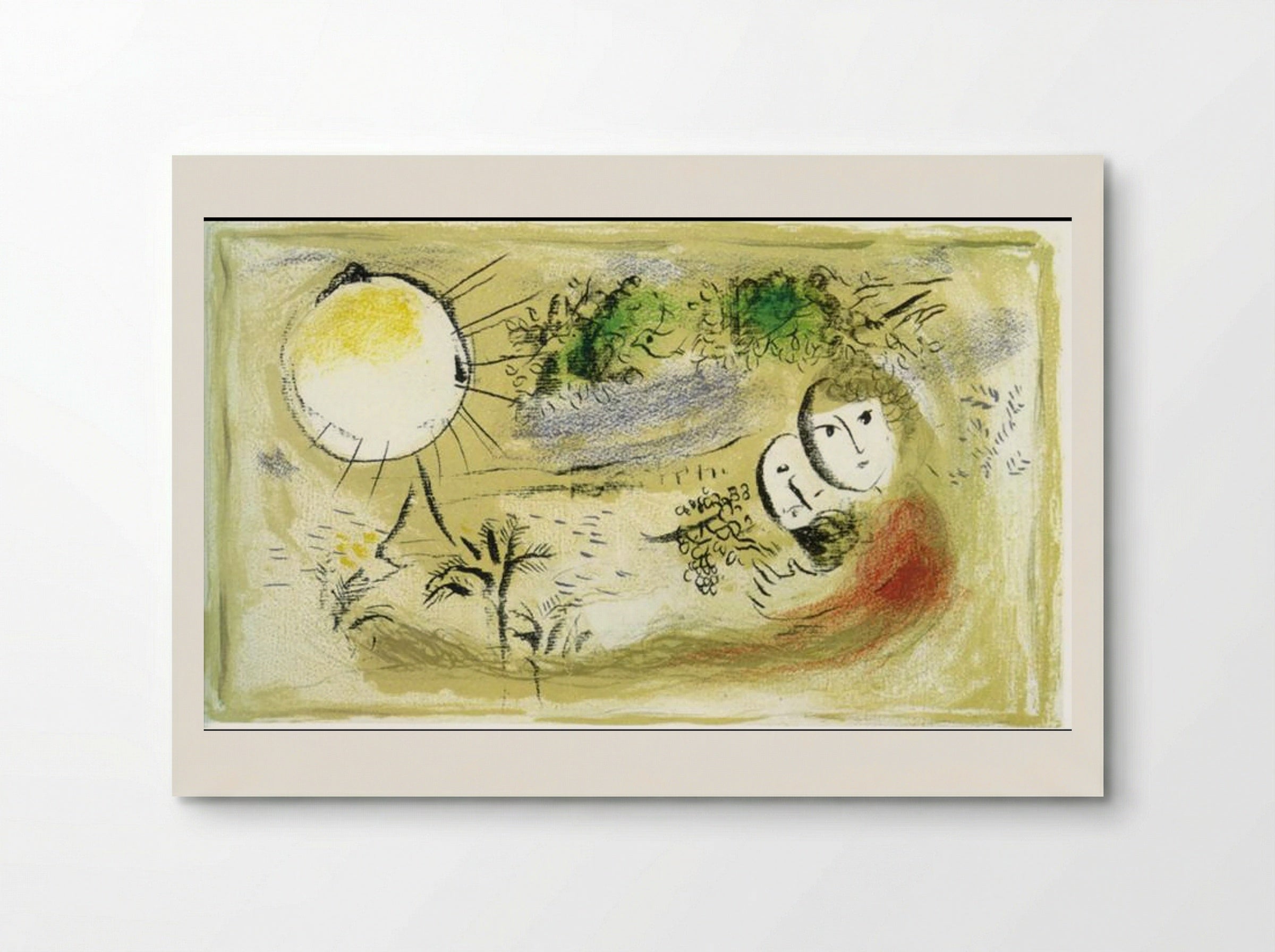
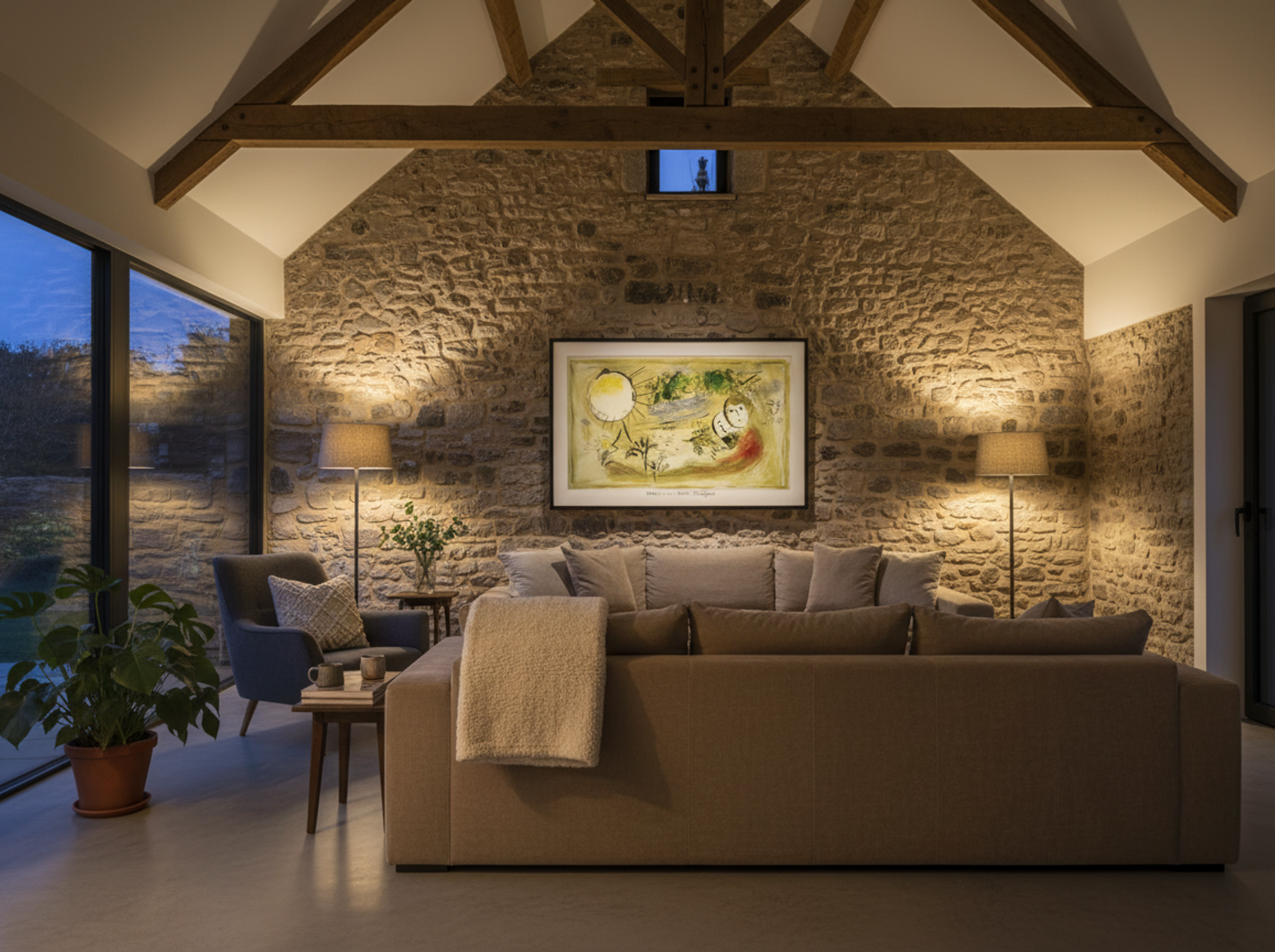 The Rest - Marc Chagall
Print · Framed
Regular price From $29.00 USDSale price From $29.00 USD Regular price


Artist Biography
Marc Chagall
Chagall paid a man to pose in his dead father's prayer clothes so he could paint them. He had returned to Vitebsk and realised the Hasidic traditions he grew up with were disappearing. The shtetl world of his childhood, the fiddlers on rooftops, the floating lovers, the goats and roosters mixed with Torah and candlelight, would survive primarily through his paintings.
He was born Moishe Shagal in 1887, in the Pale of Settlement, the restricted zone where Jews were permitted to live in the Russian Empire. His father worked at a herring warehouse. The family was devout Hasidic. After studying in St Petersburg, he went to Paris in 1911 and immersed himself in the Fauvists and Cubists, absorbing their formal innovations without abandoning the narrative imagery of his childhood. The colour and the dreamlike floating figures were already there in Vitebsk. Paris gave him the structure.
He met Bella Rosenfeld, the daughter of a wealthy Vitebsk jeweller, and married her in 1915. She became his primary subject for the next three decades. The flying lovers that recur across his work, gravity-defying couples suspended above rooftops and villages, began with Bella. When she died of a streptococcal infection in New York in September 1944, penicillin existed but the entire supply was reserved for soldiers. He stopped painting for nine months. He continued to paint her memory for the remaining forty-one years of his life.
Picasso once said that when Matisse dies, Chagall will be the only painter left who understands what colour really is. The friendship ended at a dinner at Chagall's home in 1964. Picasso asked when he was going back to Russia. Chagall replied: after you, I hear you are greatly loved there but not your work. They never spoke again.
His late stained glass commissions are among the strongest work of his final decades: the Peace Window at the United Nations, the twelve windows representing the Tribes of Israel at the Hadassah Medical Centre in Jerusalem, and windows at Metz Cathedral. In 1964, Andre Malraux commissioned him to paint the ceiling of the Paris Opera, a decision that provoked fury from critics who objected to a Russian-born Jewish artist working inside a French Baroque monument. He lived to ninety-seven.
He was born Moishe Shagal in 1887, in the Pale of Settlement, the restricted zone where Jews were permitted to live in the Russian Empire. His father worked at a herring warehouse. The family was devout Hasidic. After studying in St Petersburg, he went to Paris in 1911 and immersed himself in the Fauvists and Cubists, absorbing their formal innovations without abandoning the narrative imagery of his childhood. The colour and the dreamlike floating figures were already there in Vitebsk. Paris gave him the structure.
He met Bella Rosenfeld, the daughter of a wealthy Vitebsk jeweller, and married her in 1915. She became his primary subject for the next three decades. The flying lovers that recur across his work, gravity-defying couples suspended above rooftops and villages, began with Bella. When she died of a streptococcal infection in New York in September 1944, penicillin existed but the entire supply was reserved for soldiers. He stopped painting for nine months. He continued to paint her memory for the remaining forty-one years of his life.
Picasso once said that when Matisse dies, Chagall will be the only painter left who understands what colour really is. The friendship ended at a dinner at Chagall's home in 1964. Picasso asked when he was going back to Russia. Chagall replied: after you, I hear you are greatly loved there but not your work. They never spoke again.
His late stained glass commissions are among the strongest work of his final decades: the Peace Window at the United Nations, the twelve windows representing the Tribes of Israel at the Hadassah Medical Centre in Jerusalem, and windows at Metz Cathedral. In 1964, Andre Malraux commissioned him to paint the ceiling of the Paris Opera, a decision that provoked fury from critics who objected to a Russian-born Jewish artist working inside a French Baroque monument. He lived to ninety-seven.



Why Choose Us ?