



Chris Ofili
- YBA
- Contemporary
Chris Ofili gained early recognition for his distinctive use of materials, including glitter, resin, and elephant dung, often applied directly to his canvases. Born in Manchester in 1968, his work explores themes of identity, race, and popular culture, drawing on his Nigerian heritage and experiences in Britain and later, the Caribbean.
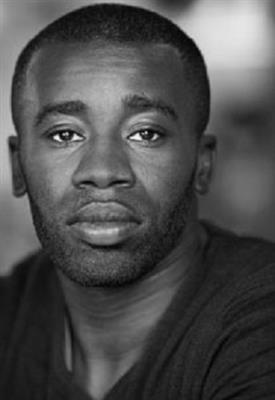
Biography
His art first came to prominence as part of the Young British Artists (YBA) movement in the 1990s. In 1998, Ofili won the Turner Prize, an award that brought his work to a wider audience. His painting, 'The Holy Virgin Mary' (1996), which incorporated elephant dung, sparked considerable discussion when it was exhibited.
Ofili’s early education included studies at the Chelsea School of Art and the Royal College of Art. A trip to Zimbabwe in the late 1980s introduced him to the practise of using elephant dung in art, a material he incorporated into his paintings as both a formal element and a symbolic one.
Since 2005, Ofili has lived and worked in Trinidad. This move influenced a shift in his artistic approach, with his colours becoming softer and his narratives often drawing from local folklore and the natural environment of the Caribbean. His later works continue to explore complex themes with a unique blend of abstraction and figuration.
Timeline
- 1968Born in Manchester, England
- 1980Studied at Chelsea School of Art
- 1980Studied at Royal College of Art
- 1980Travelled to Zimbabwe and discovered use of elephant dung in art
- 1990Gained prominence as part of the Young British Artists (YBA) movement
- 1996Created 'The Holy Virgin Mary'
- 1998Won the Turner Prize
- 2005Moved to Trinidad
Notable Works
Tap to view larger.
Next stop
Browse the movements →
Every movement in the collection, from the Renaissance to Pop art.
Related Artists

_%E2%80%93_LOC.jpg)

Frequently Asked Questions
What is Chris Ofili known for?
Chris Ofili is known for his distinctive use of materials like glitter, resin, and elephant dung. His painting, 'The Holy Virgin Mary' (1996), which incorporated elephant dung, sparked considerable discussion when it was exhibited.What is Chris Ofili's most famous work?
Chris Ofili is a British artist, best known for his paintings that combine elements of pop art, abstraction, and his Nigerian heritage. Although he has produced a substantial body of work in varied media, he is perhaps most recognised for his 1996 painting, *The Holy Virgin Mary*. This work gained considerable attention, and generated controversy, due to its use of elephant dung and collaged images from pornographic magazines. The painting depicts a Black Madonna-like figure. It became a flashpoint in the late 1990s culture wars when it was included in the *Sensation* exhibition at the Brooklyn Museum in 1999. The then-mayor of New York City, Rudolph Giuliani, publicly criticised the work and attempted to withhold funding from the museum. Despite the controversy, *The Holy Virgin Mary* remains one of Ofili's most discussed and significant pieces, and a noted example of contemporary British art.What should I know about Chris Ofili's prints?
Chris Ofili's prints, like those of many artists, exist as either open or limited editions. The number of prints in an edition is determined by the artist, not by technical limitations of the woodblock or other material used to create the print. A single woodblock can produce a large number of prints if properly cared for; for example, Thomas Bewick's wood engraving of Newcastle was printed 900,000 times. Edition claims are written in pencil on the bottom margin of the print, including the print number and edition number. The title appears in the centre, and the artist's signature on the right. These conventions are informal, but widely respected among printmakers. Claims and product descriptions are subject to the Trade Descriptions Act 1968, Section 2, requiring truthful descriptions of the work. The Professional Art Dealers Association of Canada (PADAC) has its own definition of an original print: an image conceived and executed solely as a print, usually in a numbered edition and signed by the artist.What style or movement did Chris Ofili belong to?
Chris Ofili is associated with the Young British Artists (YBAs). The YBAs became known after Damien Hirst organised the Freeze exhibition in London. They were notable for their open-minded approach to art and a thick-skinned attitude to press criticism. The YBAs often used found objects and ‘low’ culture in their work. They were prepared to shock the public. Many critics noted a lack of obvious technical skill in their art. Despite this, they became commercially successful. Ofili often incorporates unusual materials into his pieces. Collage, glitter, and even elephant dung can be found in his art. His work often explores his Nigerian heritage and the theme of religion. One of Ofili's most discussed works, The Holy Virgin Mary (1996), caused public outcry due to its unconventional representation of the Virgin Mary. It was included in the Sensation exhibition at the Brooklyn Museum in 1999.What techniques or materials did Chris Ofili use?
Chris Ofili, born in 1968, employs a wide range of media in his art. His work often combines materials such as acrylic, oil paint, glitter, polyester resin, paper collage, and map pins. He is particularly known for incorporating elephant dung into his pieces, both directly on the surface and as supports for the canvas. In *The Holy Virgin Mary* (1996), Ofili layers these materials on linen. He uses cut-outs from pornographic magazines, arranging them around the Virgin, in a manner that references both Renaissance art and "blaxploitation" imagery. The application of brightly coloured pigments in bead-like dots is inspired by ancient cave paintings from Zimbabwe. Ofili's choice of materials is experimental. He uses acrylic paint, which became widely available in the 1980s, as a substitute for gold leaf, reminiscent of medieval icons. The layering of media and colour in his work has been compared to the layered compositions of hip-hop music.What was Chris Ofili known for?
Chris Ofili, born in Manchester in 1968, is a British artist known for his work that incorporates elephant dung, magazine cut-outs, and glitter. He often explores themes of race, religion, and popular culture in his pieces. Ofili studied at the Tameside College of Technology, Stockport, from 1987 to 1988, then at the Chelsea School of Art from 1988 to 1991. He received a Master of Fine Arts degree from the Royal College of Art in 1993. In 2003, he represented Britain at the Venice Biennale. His work gained attention in the 1990s as part of the Young British Artists movement. One of his most discussed pieces is "The Holy Virgin Mary" (1996), which caused controversy when it was displayed at the "Sensation" exhibition at the Brooklyn Museum in 1999 due to its use of elephant dung and depictions of genitalia. Ofili won the Turner Prize in 1998. He lives and works in Trinidad.Where can I see Chris Ofili's work?
Chris Ofili's artwork appears in many public collections. These include the Tate Modern in London; the Museum of Modern Art, New York; and the Studio Museum in Harlem. Ofili was born in Manchester, England, in 1968. He studied at the Tameside College of Technology, then at the Chelsea School of Art, from 1988 to 1991. He completed his Master of Arts degree at the Royal College of Art in 1993. His work entered the public eye in the late 1990s, when he won the Turner Prize in 1998. Ofili represented Britain at the 50th Venice Biennale in 2003. A major retrospective of his work was organised by the Tate Britain in 2010; it then travelled to museums in Europe and the United States. In 2017, Ofili had a solo exhibition called "Poolside Magic" at the National Gallery in London. He currently lives and works in Trinidad.Where was Chris Ofili from?
Chris Ofili was born in Britain in 1968. He is of Nigerian descent and was raised as a Catholic. Ofili has explored his ethnic and racial heritage in his art. One theme he has treated is religion, interpreted through the eyes of a British-born Catholic of Nigerian descent. His piece *The Holy Virgin Mary* (1996) stirred public outcry when it was included in the *Sensation* exhibition at the Brooklyn Museum in 1999. The work depicts Mary in a manner that departs from conventional Renaissance representations. The artist employed brightly coloured pigments, applied to the canvas in multiple layers of beadlike dots (inspired by images from ancient caves in Zimbabwe). Another reference to Ofili’s African heritage surfaces in the clumps of elephant dung, one attached to the Virgin’s breast, and two more on which the canvas rests, acting as supports.Who did Chris Ofili influence?
It is difficult to identify specific individuals directly influenced by Chris Ofili. However, we can analyse Ofili's impact and artistic approach. Born in 1968, Ofili is a British artist of Nigerian descent. His work often explores themes of religion and cultural identity. He is known for mixed media pieces, such as *The Holy Virgin Mary* (1996), which combines paint, collage, glitter, resin, map pins, and elephant dung on linen. This piece caused considerable controversy when exhibited at the Brooklyn Museum in 1999. Ofili's art incorporates materials and imagery associated with his heritage. His use of unconventional materials, like elephant dung, and his layering of different elements, may have encouraged other artists to experiment with similar techniques and to challenge traditional representations within religious contexts. His work touches on stereotypes and questions of ethnic mixing.Who influenced Chris Ofili?
Chris Ofili, born in 1968, draws on a range of influences evident in his varied artistic practice. His work often explores themes of religion and racial identity, interpreted through his perspective as a British-born Catholic of Nigerian descent. One can see inspiration from ancient Zimbabwean cave paintings in Ofili's application of brightly coloured pigments in multiple layers of bead-like dots. His work, such as *The Holy Virgin Mary* (1996), makes reference to his African heritage through the incorporation of elephant dung. This allowed Ofili to incorporate Africa into his work in a literal way. Ofili's experimental approach to materials, techniques, and processes is clear in his mixed media work. He combines paper collage, acrylic, oil paint, glitter, polyester resin, map pins, and elephant dung on linen. The glittering rays in *The Holy Virgin Mary* have been compared to those in Masaccio's paintings, though with what has been called added 'gangsta bling'. In *The Holy Virgin Mary*, Ofili makes deliberate references to stereotypes about Black culture.Who was Chris Ofili?
Chris Ofili, born in 1968, is a British artist of Nigerian descent. His work often explores themes of religion and ethnic heritage. Ofili's art frequently departs from conventional representations. For example, his piece *The Holy Virgin Mary* (1996) depicts Mary in a simplified form, seemingly floating. He employed bright colours, applied in layers of bead-like dots, drawing inspiration from ancient Zimbabwean cave paintings. The work also incorporates tiny images of genitalia and buttocks cut from magazines, intended to parallel the putti found in Renaissance paintings. Clumps of elephant dung are attached to the Virgin’s breast and also serve as supports for the canvas, incorporating African elements. *The Holy Virgin Mary* has generated strong reactions. Its inclusion in the *Sensation* exhibition at the Brooklyn Museum in 1999 led to demands for the show's cancellation and accusations of censorship.Why are Chris Ofili's works important today?
Chris Ofili, born in 1968, is a British artist of Nigerian descent whose work explores themes of religion, identity, and race. He gained recognition in the 1990s for his mixed-media paintings, which often incorporate materials such as elephant dung, glitter, and magazine cut-outs. Ofili's work is important because it challenges conventional representations and provokes dialogue about cultural stereotypes. For example, *The Holy Virgin Mary* (1996) depicts Mary in a non-traditional manner; it uses elephant dung and images from pornographic magazines. This piece generated considerable controversy when it was included in the "Sensation" exhibition at the Brooklyn Museum in 1999, leading to debates about public funding for controversial art. His use of materials such as elephant dung, which he discovered while visiting Zimbabwe, allows him to incorporate African elements into his art. The layering of materials and references creates complex surfaces that invite multiple interpretations. By drawing attention to stereotypes and issues of ethnic mixing, Ofili encourages viewers to approach questions of identity with caution and avoid simplistic readings.
Sources
Editorial draws on the following primary and tertiary references for Chris Ofili.
- [1] book Fred S. Kleiner, Gardner's Art through the Ages Used for: biography.
- [2] book Penny Huntsman, Thinking About Art Used for: biography.
Editorial overseen by Solis Prints. Sources verified 2026-10-07. Click a source for details, or hover over [N] in the page above to preview.
Editorial standardsMethodologyCorrectionsAI disclosureAbout the editorial team