



1485–1553 · Southern Netherlands
Frans Crabbe van Espleghem
Frans Crabbe van Espleghem was an artist from the Southern Netherlands. He lived from 1485 until 1553.
Biography
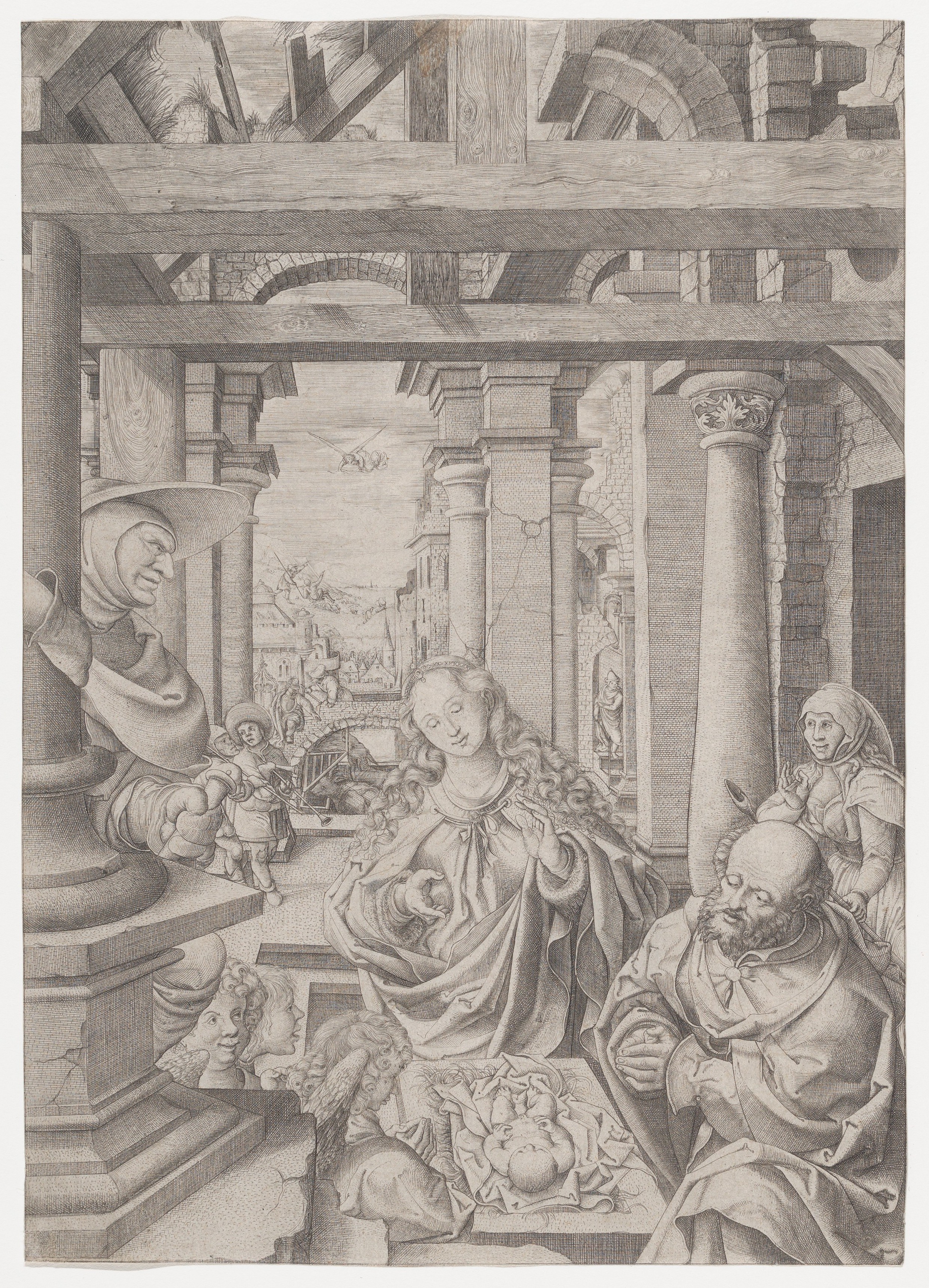
Solis Prints offers fine art prints of his work, including Adoration of the Shepherds, Christ as the Man of Sorrows, Esther before Ahasuerus, and The Beheading of Saint John the Baptist.
Notable Works
Tap to view larger.
Next stop
Browse the movements →
Every movement in the collection, from the Renaissance to Pop art.
Frans Crabbe van Espleghem prints
Hand-finished archival prints from Frans Crabbe van Espleghem's body of work.
 Pyramus and Thisbe - Frans Crabbe van Espleghem
From £28.00
Pyramus and Thisbe - Frans Crabbe van Espleghem
From £28.00
 The Preaching of Saint John the Baptist - Frans Crabbe van Espleghem
From £28.00
The Preaching of Saint John the Baptist - Frans Crabbe van Espleghem
From £28.00
 Aanbidding door Jozef en Maria - Frans Crabbe van Espleghem
From £28.00
Aanbidding door Jozef en Maria - Frans Crabbe van Espleghem
From £28.00
 The Mass of Saint Gregory - Frans Crabbe van Espleghem
From £28.00
The Mass of Saint Gregory - Frans Crabbe van Espleghem
From £28.00
 Christ as the Man of Sorrows - Frans Crabbe van Espleghem
From £28.00
Christ as the Man of Sorrows - Frans Crabbe van Espleghem
From £28.00
Related Artists


Take Frans Crabbe van Espleghem home.
See all Frans Crabbe van Espleghem prints →Frequently Asked Questions
When was Frans Crabbe van Espleghem born?
Frans Crabbe van Espleghem was born in 1485 and died in 1553.What is Frans Crabbe van Espleghem known for?
Frans Crabbe van Espleghem is known for frans Crabbe van Espleghem was an artist from the Southern Netherlands who lived from 1485 until 1553.