

Nagasawa Rosetsu
- Maruyama school
Nagasawa Rosetsu was not a typical student of the Maruyama-Shijo school. His teacher, Maruyama Okyo, expelled him several times for his stubborn nature and refusal to follow strict rules. Rosetsu often ignored the precise brushwork expected of him. He preferred to experiment with unconventional tools. He sometimes used his fingers or worn-out brushes to apply ink. This rebellious streak gave his work a sense of spontaneity that was rare in late eighteenth-century Japanese art.
Biography
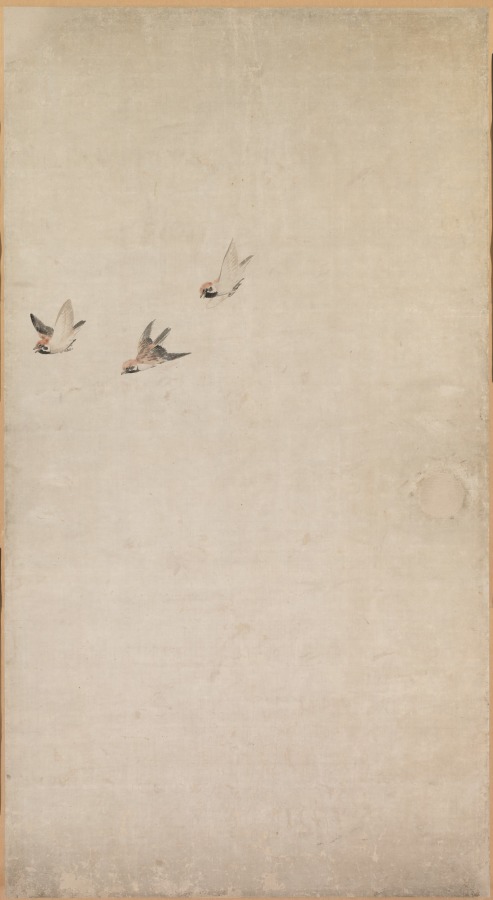
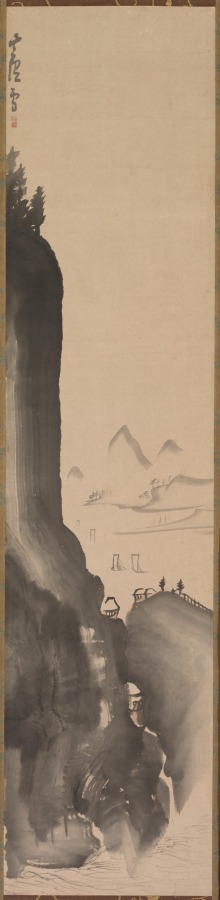
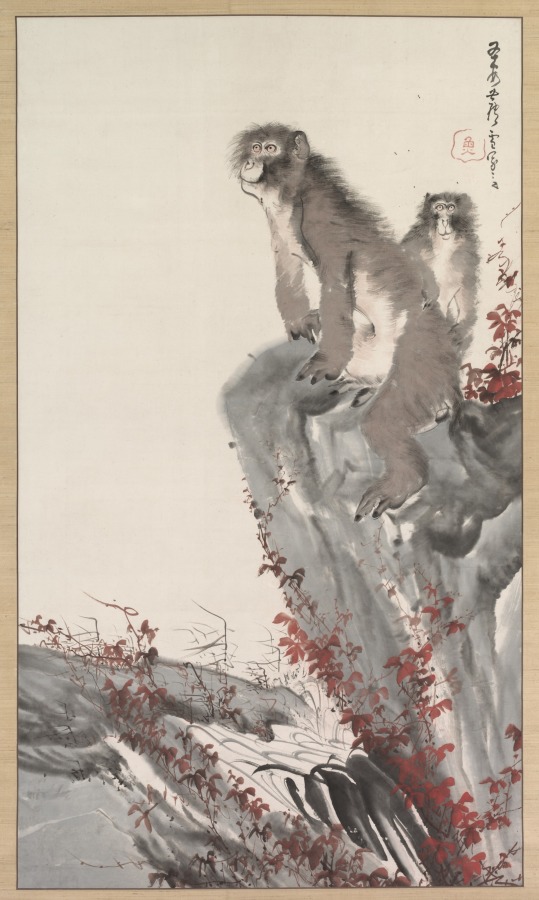
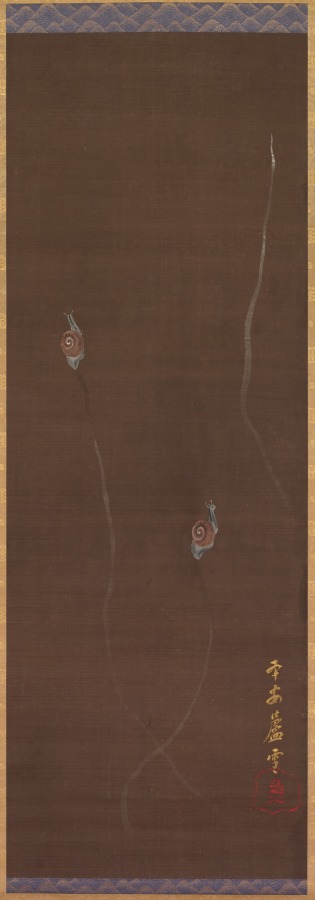
His style is defined by a mix of realism and bold ink washes. In works like Monkey on a Rock and Snails, Rosetsu captures animals with a sense of humour and personality. He often placed subjects in unusual positions or used extreme perspectives. His ink paintings use negative space to create atmosphere. This is visible in Moonlit Landscape and Mountains and Distant Boats. He balanced the small details of Sparrows in a Plum Tree with broad, fast strokes.
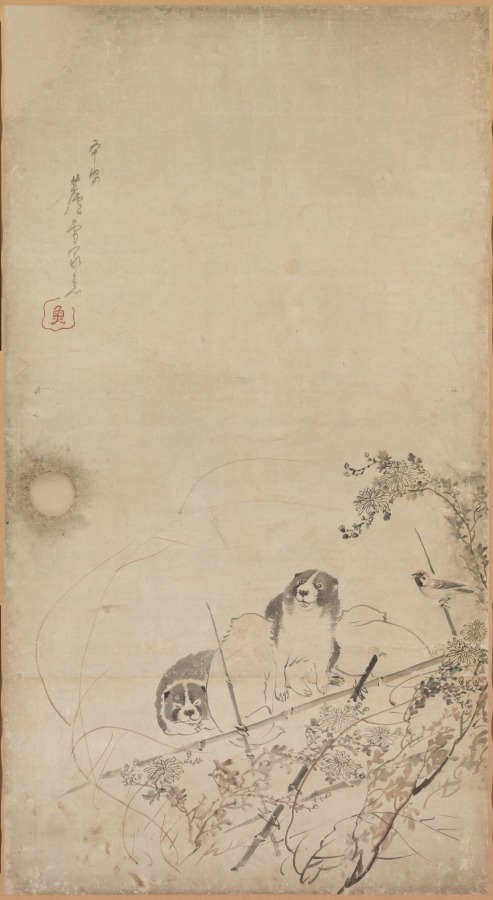
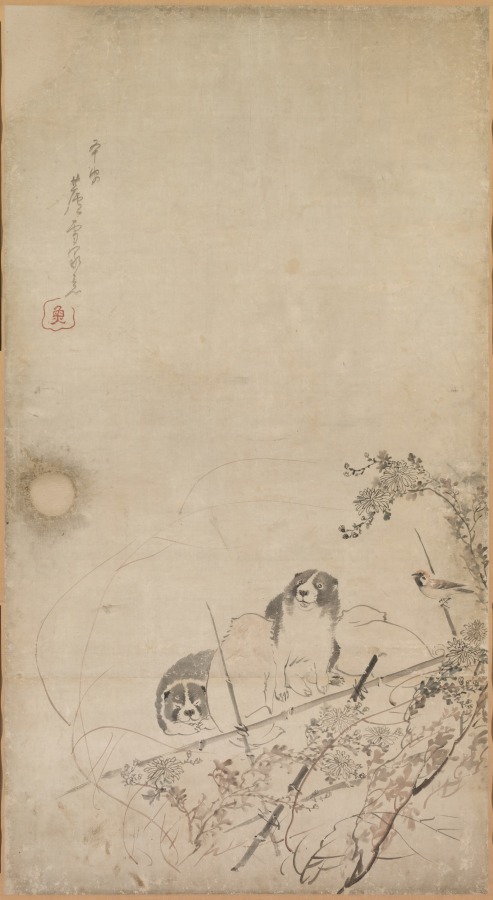
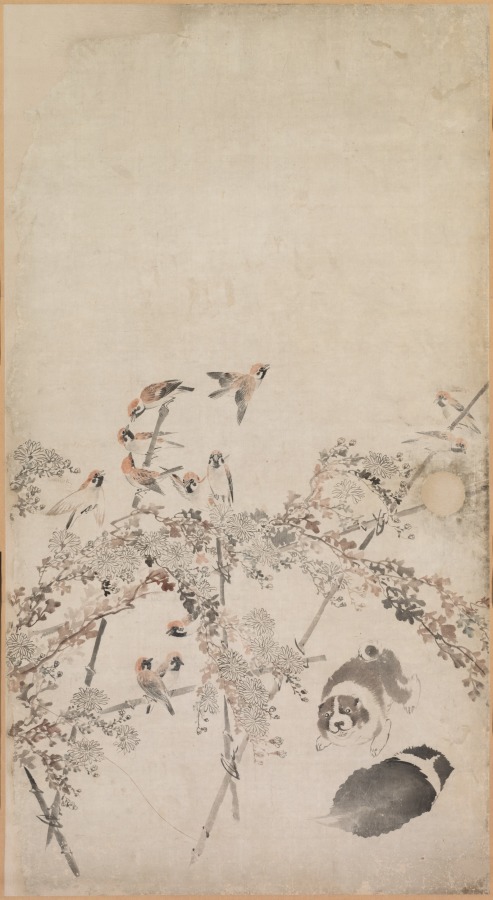
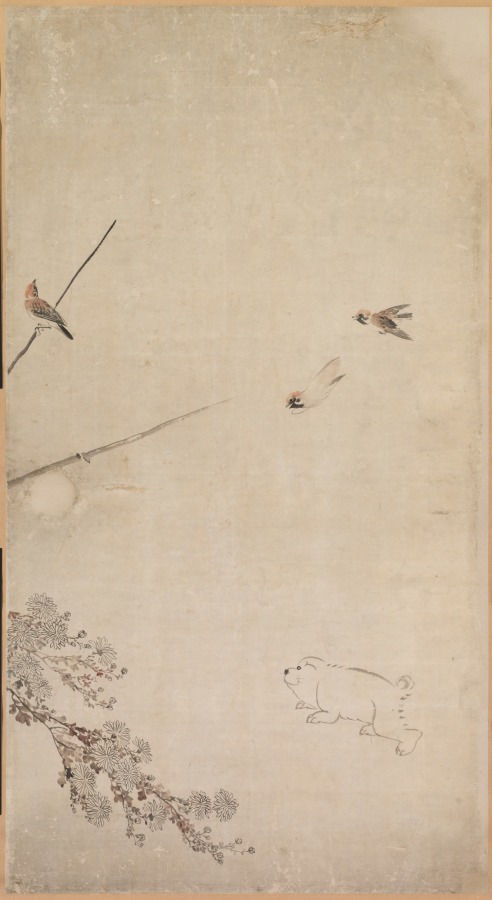
Modern collectors value Rosetsu for his playful and eccentric vision. His depictions of animals, particularly his famous paintings of puppies, feel modern because of their charm. These prints bring a sense of character to a room without being overly formal. His use of monochrome ink and grey tones fits well with contemporary interiors. The work offers a connection to the Edo period through a lens of individual expression rather than rigid tradition.
Notable Works
Tap to view larger.
Next stop
Browse the movements →
Every movement in the collection, from the Renaissance to Pop art.
Nagasawa Rosetsu prints
Hand-finished archival prints from Nagasawa Rosetsu's body of work.
 Landscapes with the Chinese Literati Su Shi and Tao Qian - Nagasawa Rosetsu
From £28.00
Landscapes with the Chinese Literati Su Shi and Tao Qian - Nagasawa Rosetsu
From £28.00
 Drinking Festival of the Eight Immortals of the Wine Cup - Nagasawa Rosetsu
From £28.00
Drinking Festival of the Eight Immortals of the Wine Cup - Nagasawa Rosetsu
From £28.00
 Miscellaneous Paintings and Calligraphy - Nagasawa Rosetsu
From £28.00
Miscellaneous Paintings and Calligraphy - Nagasawa Rosetsu
From £28.00
 Monkey Trainer and Monkey on a Rock - Nagasawa Rosetsu
From £37.00
Monkey Trainer and Monkey on a Rock - Nagasawa Rosetsu
From £37.00
 Puppies in the Snow - Nagasawa Rosetsu
From £37.00
Puppies in the Snow - Nagasawa Rosetsu
From £37.00
 Puppies, Sparrows, and Chrysanthemums - Nagasawa Rosetsu
From £28.00
Puppies, Sparrows, and Chrysanthemums - Nagasawa Rosetsu
From £28.00
Related Artists


Take Nagasawa Rosetsu home.
See all Nagasawa Rosetsu prints →Frequently Asked Questions
When was Nagasawa Rosetsu born?
Nagasawa Rosetsu was born in 1754 and died in 1799.What art movement was Nagasawa Rosetsu part of?
Nagasawa Rosetsu was associated with Maruyama school.What is Nagasawa Rosetsu known for?
Nagasawa Rosetsu is known for nagasawa Rosetsu was an eccentric Edo-period painter known for his rebellious spirit and humorous, expressive ink depictions of animals and nature.