



1478–1520 · German
Wolf Traut
- German Renaissance
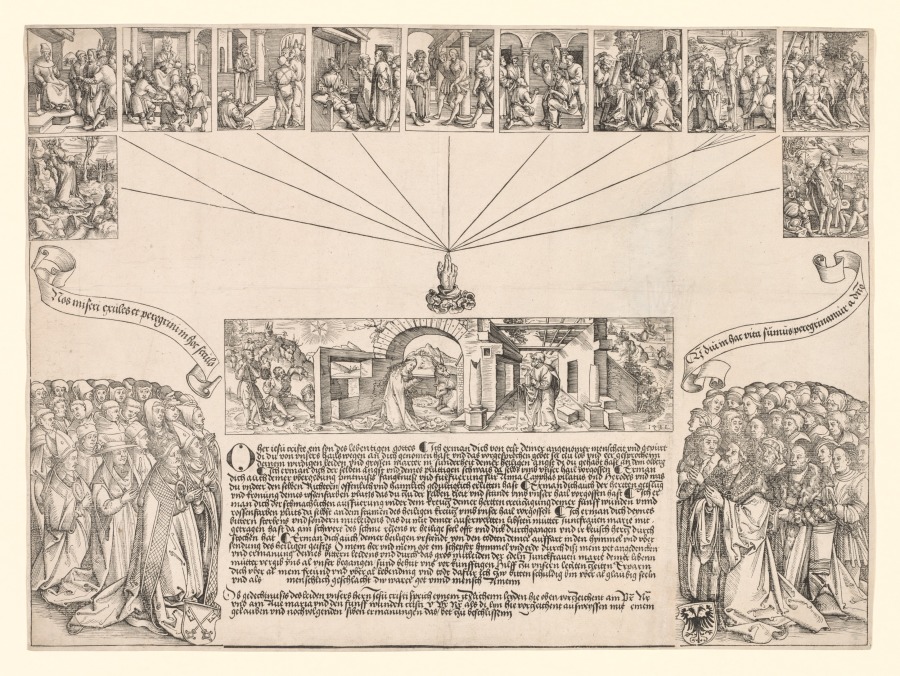
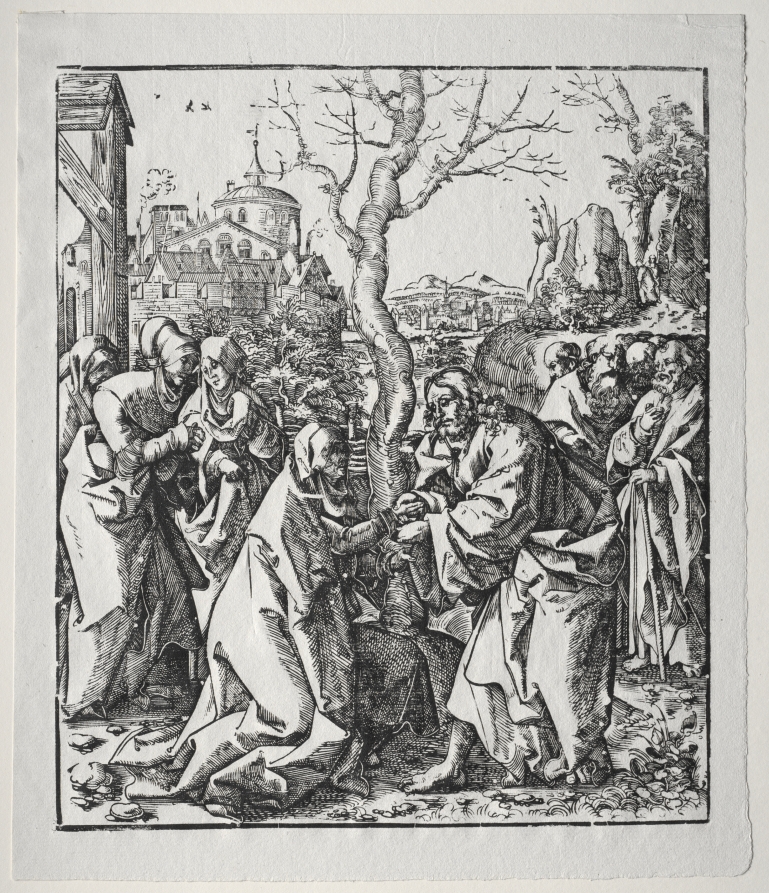
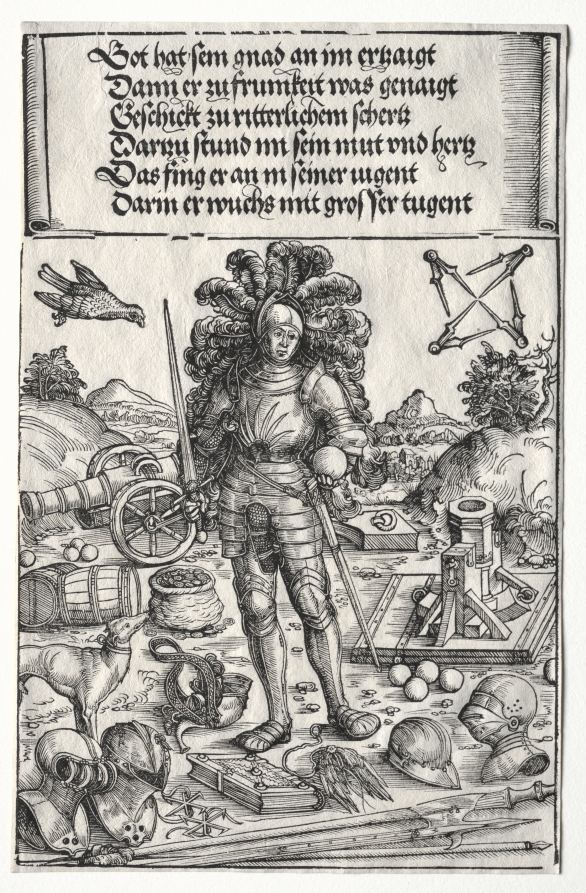
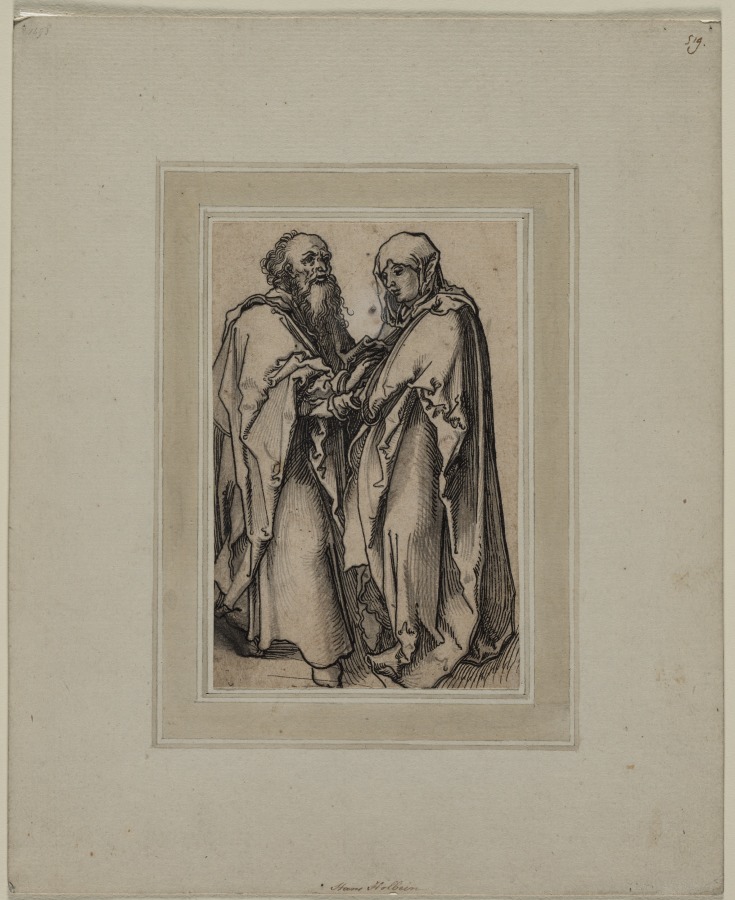
Wolf Traut was a German artist who lived from 1478 to 1520. His known works include Christ Taking Leave of his Mother, The Triumphal Arch of Maximilian I, and Nativity and Passion of Christ.
Biography
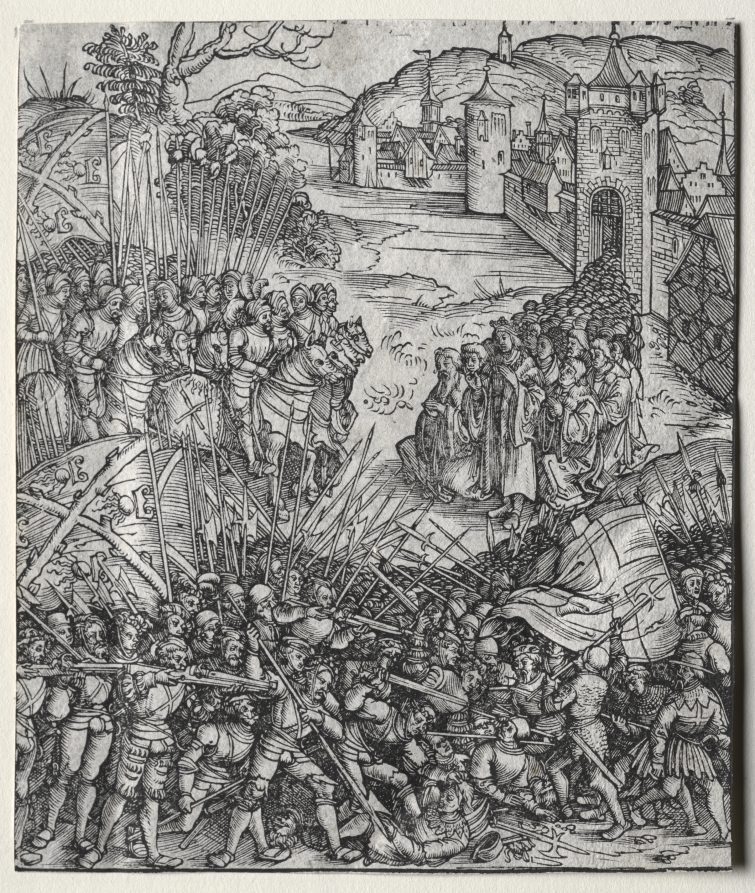
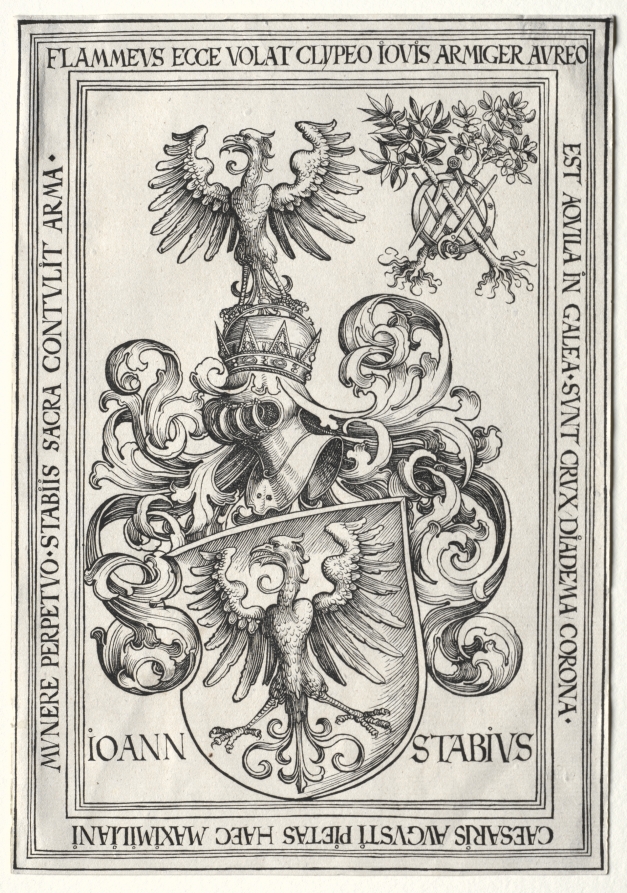
He also produced First War in Gueldres, Battle of Guinegate, The Bavarian War, The Meeting of Joachim and Anna, First Flemish Rebellion, Coat of Arms of Johann Stabius, and The War with Liège.
Notable Works
Tap to view larger.
Next stop
Browse the movements →
Every movement in the collection, from the Renaissance to Pop art.
Wolf Traut prints
Hand-finished archival prints from Wolf Traut's body of work.
 The War with Liège - Wolf Traut
From £37.00
The War with Liège - Wolf Traut
From £37.00
 Coat of Arms of Johann Stabius - Wolf Traut
From £28.00
Coat of Arms of Johann Stabius - Wolf Traut
From £28.00
 The Meeting of Joachim and Anna - Wolf Traut
From £28.00
The Meeting of Joachim and Anna - Wolf Traut
From £28.00
 First Flemish Rebellion - Wolf Traut
From £28.00
First Flemish Rebellion - Wolf Traut
From £28.00
 Christ Taking Leave of his Mother - Wolf Traut
From £28.00
Christ Taking Leave of his Mother - Wolf Traut
From £28.00
 First War in Gueldres - Wolf Traut
From £28.00
First War in Gueldres - Wolf Traut
From £28.00
Related Artists


.jpg)

.jpg)

Take Wolf Traut home.
See all Wolf Traut prints →Frequently Asked Questions
When was Wolf Traut born?
Wolf Traut was born in 1478 and died in 1520.What art movement was Wolf Traut part of?
Wolf Traut was associated with German Renaissance.What is Wolf Traut known for?
Wolf Traut is known for wolf Traut was a German artist who lived from 1478 to 1520.