



Swedish art, while not as widely recognised as some of its European counterparts, has made significant contributions, particularly in landscape painting and portraiture. During the 19th century, Swedish artists developed a distinctive style that captured the unique light and atmosphere of the Nordic region. Artists such as Amalia Lindegren and Anna Palm de Rosa contributed to the development of Swedish art, often depicting scenes of everyday life and the natural world.
Key Movements
12 movements shaped swedish art.
Key Artists
Key Ideas
-
19th-Century Landscape Painting
Swedish artists excelled in capturing the Nordic light and scenery. Their works often depicted serene landscapes, contributing to a sense of national identity and appreciation for the natural environment.
-
Portraiture
Portraiture was a popular genre, with artists like Amalia Lindegren gaining recognition for their depictions of individuals and their social contexts. These portraits offer insights into Swedish society and culture during the 19th century.
-
Pop Art Influence
In the 20th century, Swedish artists such as Claes Oldenburg made significant contributions to Pop Art. His large-scale sculptures of everyday objects challenged traditional notions of art and its role in society.
Museums in Sweden
8 museums.
-
Nationalmuseum
Tue 11:00–20:00; Wed–Sun 11:00–17:00; closed Mon · Free (permanent collection)
-
Gothenburg Museum of Art
-
Moderna Museet
Tue–Sun 10:00–18:00, Thu 10:00–20:00, closed Mondays · 170 SEK adults, 140 SEK reduced, free for 18 and under
-
National Portrait Gallery of Sweden
-
Thiel Gallery
Nov–Apr: Tue–Sun 12:00–17:00; May–Oct: Tue–Wed 12:00–17:00, Thu 12:00–20:00, Fri–Sun 12:00–17:00; closed Mondays · 160 SEK adults, 140 SEK students and seniors
-
Maritime Museum
Tue–Sun 10:00–17:00, Wed 10:00–20:00 · 150 sek adults, 110 sek senior/student, free for children 0-18
-
Skokloster Castle
120 kronor
-
Hilma af Klint Foundation


All Swedish Artists
19 artists.
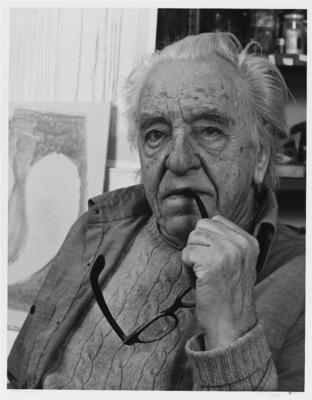
Adja Yunkers
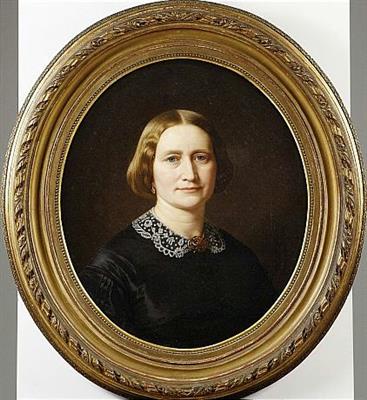
Amalia Lindegren

Anders Zorn
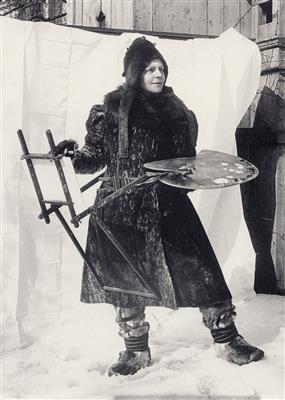
Anna Katarina Boberg
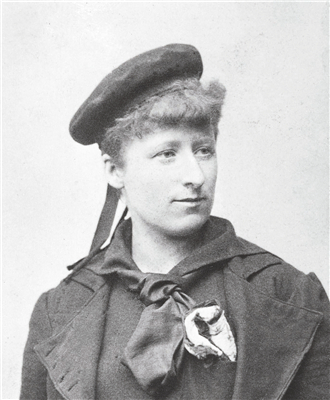
Anna Palm de Rosa

Arvid Fredrik Lönnroth

August Strindberg

Bror Julius Olsson Nordfeldt

Bruno Liljefors

Carl Larsson

Caspar David Friedrich

Charles Boit

Claes Oldenburg

Hilma af Klint

Ivar Arosenius

Jean Eric Rehn

Johann Philipp Lemke

John Bauer

Olof Arenius
Frequently Asked Questions
What is Sweden's greatest contribution to art?
Sweden's most notable contribution lies in its 19th-century landscape painting. Artists captured the unique Nordic light and atmosphere, creating a distinctive national style. This focus on the natural environment helped shape a sense of national identity.Who are the most important Swedish artists to know?
Amalia Lindegren is a key figure known for her portraiture and genre scenes, offering insights into 19th-century Swedish life. Claes Oldenburg gained international fame for his Pop Art sculptures, challenging traditional art concepts. Anna Palm de Rosa is also important for her landscape paintings.Which Swedish artist is underappreciated?
Anna Katarina Boberg, while not as widely known as some of her contemporaries, deserves greater recognition. Her artistic contributions, particularly in landscape and decorative arts, showcase a unique vision and skill.When did Sweden develop a distinctive national style?
Sweden began developing a distinctive national style during the 19th century, particularly between 1814 and 1929. This period saw the rise of landscape painting and portraiture that captured the unique qualities of the Nordic region, establishing a recognisable Swedish artistic identity.
Love what you see? Take it home.
See all art prints →