



German art history is complex, reflecting the country's fragmented political and religious landscape. The seventeenth and eighteenth centuries saw both devastation and brilliance, with the Thirty Years' War disrupting cultural movements, followed by a flowering of the arts during the Rococo period. Gothic painting flourished in the fourteenth and fifteenth centuries, particularly in Cologne and Westphalia. More recently, German artists challenged postwar abstraction, developing new approaches to figuration and abstraction.
Key Movements
12 movements shaped german art.
Key Artists


Key Ideas
-
Gothic Painting
During the fourteenth and fifteenth centuries, Gothic painting saw significant activity in various regions. Cologne and Westphalia became important centres for artistic production during this period.
-
Baroque and Rococo Eras
Despite the disruption of the Thirty Years' War (1618–1648), the seventeenth and eighteenth centuries saw a flowering of the arts in Germany. The figurative arts provided a splendid frame for Rococo culture.
-
Postwar Figuration
After World War II, German artists challenged the prevailing abstract styles. They developed new approaches to figuration, which were initially met with critical disapproval.
-
New Objectivity
Emerging after World War I, New Objectivity (Neue Sachlichkeit) offered a cynical and direct view of society. Artists such as Christian Schad captured the disillusionment and moral decay of the Weimar Republic.
Museums in Germany
78 museums.
Berlin (12)
-
Gemäldegalerie Berlin
Tue–Sun 10:00–18:00, closed Mondays
-
Neue Nationalgalerie
Tue–Wed 10:00–18:00, Thu 10:00–20:00, Fri–Sun 10:00–18:00, closed Mondays
-
Alte Nationalgalerie
Tue–Sun 10:00–18:00, closed Mondays
-
Bode Museum
Tue–Fri 10:00–17:00, Sat–Sun 10:00–18:00, closed Mondays
-
Kupferstichkabinett Berlin
Tue–Fri 10:00–18:00, Sat–Sun 11:00–18:00, closed Mondays
-
Scharf-Gerstenberg Collection
Wed–Sun 11:00–18:00, closed Mondays and Tuesdays
-
Brücke Museum
Wed–Mon 11:00–17:00, closed Tuesdays
-
Hamburger Bahnhof
Tue–Wed 10:00–18:00, Thu 10:00–20:00, Fri 10:00–18:00, Sat–Sun 11:00–18:00, closed Mondays
-
Berggruen Museum
-
Berlin State Library
Mon–Sat 08:00–22:00, Sun 10:00–18:00
-
Berlinische Galerie
Wed–Mon 10:00–18:00, closed Tuesdays · 12 €
-
Käthe Kollwitz Museum
Mon–Sun 11:00–18:00 · 8,00 € adults, 5,00 € reduced, free for under 18s


Munich (6)
-
Munich Central Collecting Point
-
Bavarian State Painting Collections
Varies by location: Alte Pinakothek (Tue-Wed 10:00-20:00, Thu-Sun 10:00-18:00, Mon closed), Pinakothek der Moderne (Thu 10:00-20:00, Fri-Wed 10:00-18:00, Mon closed), Museum Brandhorst (Thu 10:00-20:00, Fri-Wed 10:00-18:00, Mon closed), Sammlung Schack (1st/3rd Wed 10:00-20:00, Thu-Sun 10:00-18:00, Mon-Tue closed) · Varies by location: Alte Pinakothek 9 Euro, Pinakothek der Moderne 10 Euro, Museum Brandhorst 7 Euro, Sammlung Schack 4 Euro (Sundays 1 Euro for all)
-
Lenbachhaus
-
Staatliche Graphische Sammlung München
Tue–Sun 10:00–18:00, Thu 10:00–20:00, closed Mondays · 10 EUR regular, 7 EUR reduced, 1 EUR on Sundays
-
Museum Brandhorst
Tue–Wed, Fri–Sun 10:00–18:00, Thu 10:00–20:00, closed Mondays · 7 € adults, 5 € reduced, 1 € on Sundays
-
Pinakothek der Moderne
Tue–Sun 10:00–18:00, Thu 10:00–20:00, closed Mondays · 10 Euro adults, 7 Euro reduced, 1 Euro on Sundays


Düsseldorf (4)
-
Kunstsammlung Nordrhein-Westfalen
Tue–Sun 11:00–18:00, 1st Wed of each month 11:00–22:00, closed Mondays · €8–€20 depending on ticket type; free for children/teenagers up to 17
-
Museum Kunstpalast
Tue–Sun 11:00–18:00, Thu 11:00–21:00, closed Mondays · 17 € adults
-
Johann Wilhelm von der Pfalz collection
-
Electoral Gallery Dusseldorf


Dresden (5)
-
Staatliche Kunstsammlungen Dresden
Tue–Sun 11:00–17:00 · 19€ regular (combined ticket)
-
Gemäldegalerie Alte Meister
Tue–Sun 10:00–17:00, closed Mondays · 18 € adults
-
Dresden City Museum
Tue–Sun 10:00–18:00, closed Mondays · 8 € adults
-
Kupferstich-Kabinett Dresden
Daily 10:00–17:00, closed Tuesdays · 6 € adults
-
Galerie Neue Meister
Tue–Sun 11:00–17:00, closed Mondays · 14 € adults


Cologne (3)


Hanover (3)


Potsdam (4)
-
Impressionism: The Hasso Plattner Collection
-
Museum Barberini
-
Prussian Palaces and Gardens Foundation Berlin-Brandenburg
Varies by location; Visitor Center Historische Mühle: Tue–Sun 9:30–17:30 (Apr–Oct), 9:30–16:30 (Nov–Mar), closed Mondays; Visitor Center Neues Palais: Wed–Mon 10:00–17:30 (Apr–Oct), 10:00–16:30 (Nov–Mar), closed Tuesdays
-
New Palace
Apr–Oct Wed–Mon 10:00–17:30, Nov–Mar Wed–Mon 10:00–16:30, closed Tuesdays


Hamburg (3)


Frankfurt (2)


Stuttgart (2)


Kassel (1)

Leipzig (1)

Carinhall (1)

Weimar (2)


Nuremberg (1)


Mannheim (1)

Remagen (1)
Wiesbaden (1)


Brunswick (1)

Starnberg (1)
Baden-Baden (1)


Pommersfelden (1)

Gera (1)
Lübeck (1)

Schweinfurt (1)

Duisburg (1)


Mülheim an der Ruhr (1)

Dortmund (1)

Wuppertal (1)

Halle (Saale) (1)

Ludwigshafen (1)

Erfurt (1)


Saarbrücken (1)

Marl (1)

All German Artists
179 artists.
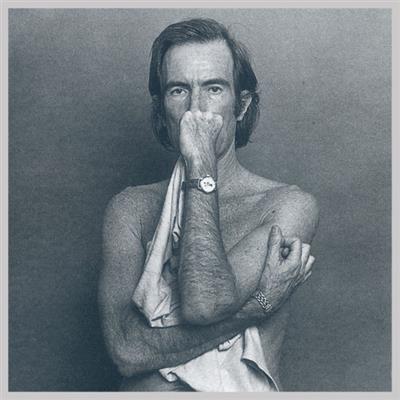
Abdul Mati Klarwein
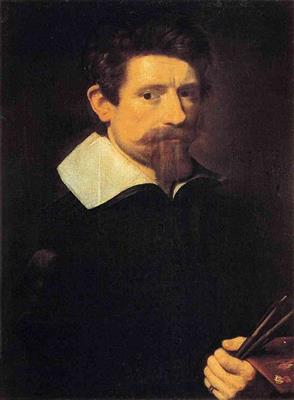
Adam Elsheimer
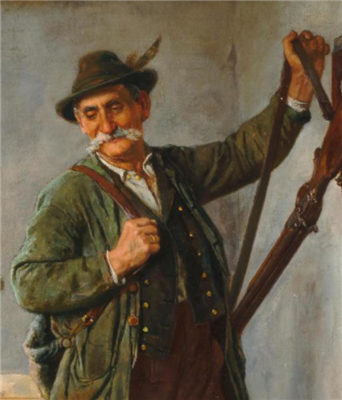
Adolf Eberle
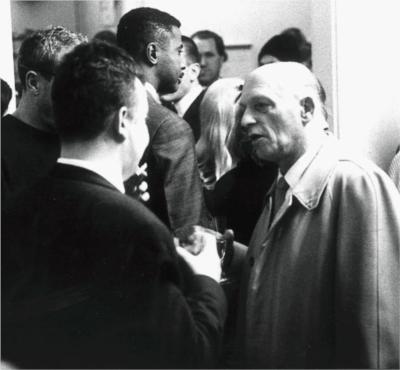
Adolf Fleischmann

Adolf Holzel

Adolf Schreyer
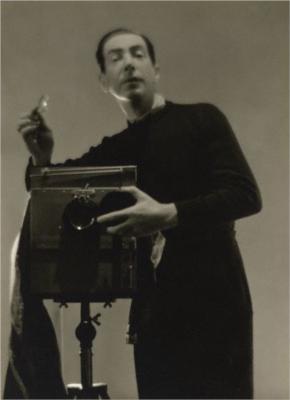
Adolph de Meyer
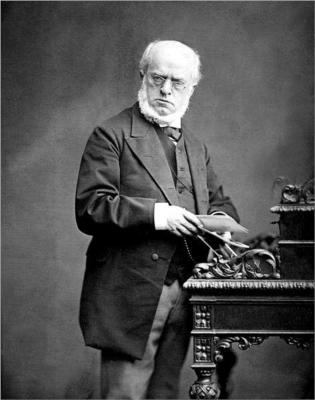
Adolph Menzel
.jpg?width=800)
Adolph Treidler

Adrian Schleich
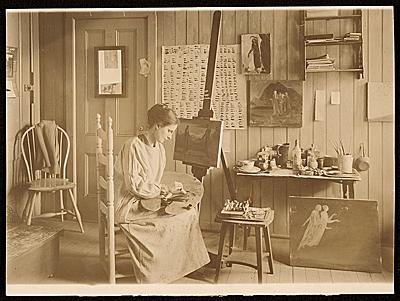
Agnes Lawrence Pelton

Albert Bierstadt
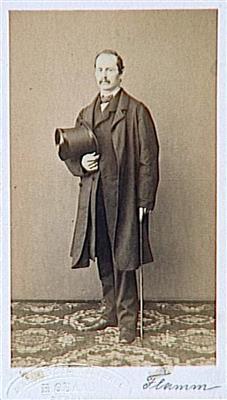
Albert Flamm
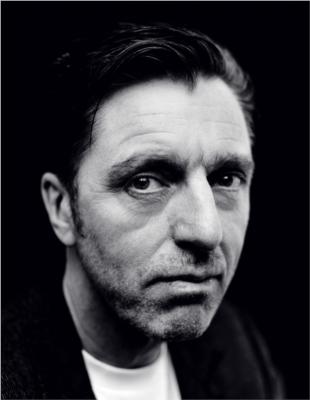
Albert Oehlen
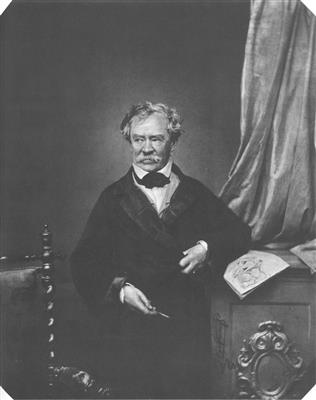
Albrecht Adam

Albrecht Altdorfer
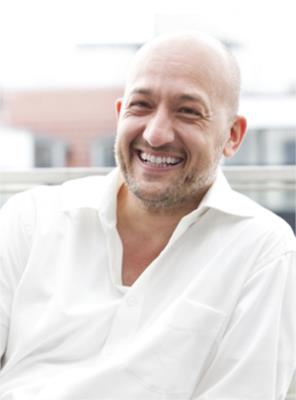
Albrecht Behmel

Alfred Rethel
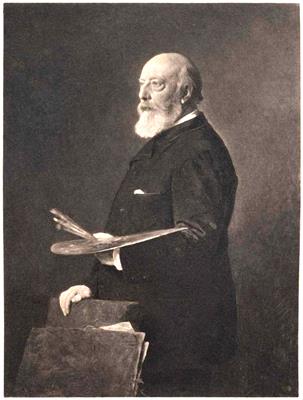
Andreas Achenbach
Andreas Gursky

Andreas Leonhard Moeglich

Angelo Jank

Anselm Feuerbach
Anselm Kiefer
Armin Andreas Pangerl

Arthur Heyer

August Macke
August Natterer
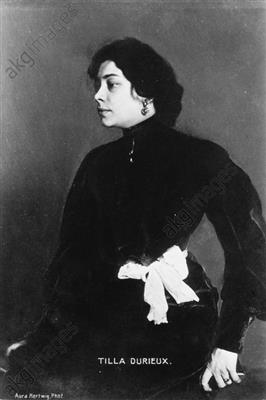
Aura Hertwig

Balthasar Denner
.jpg?width=800)
Bartholomaeus Bruyn the Elder
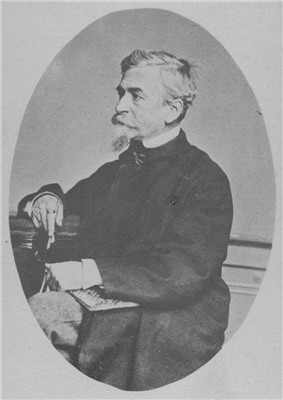
Benno Adam

Bernard Schultze
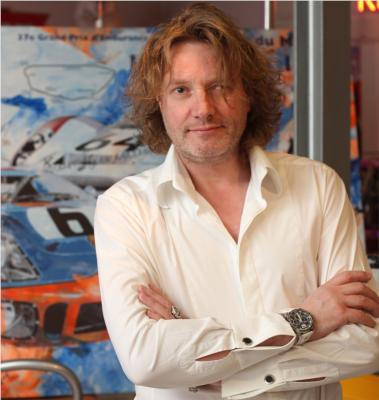
Bernd Luz

Bernhard Rode
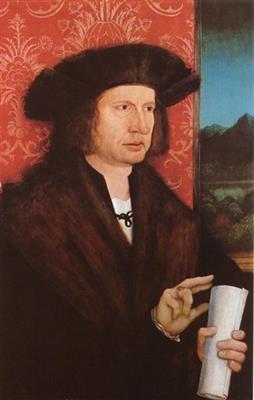
Bernhard Strigel
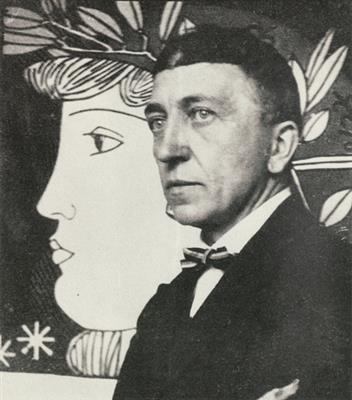
Bertold Löffler
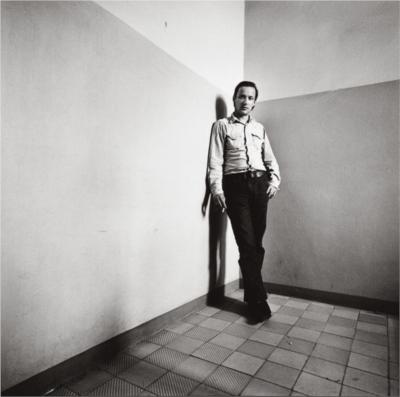
Blinky Palermo

Bonaventura Genelli
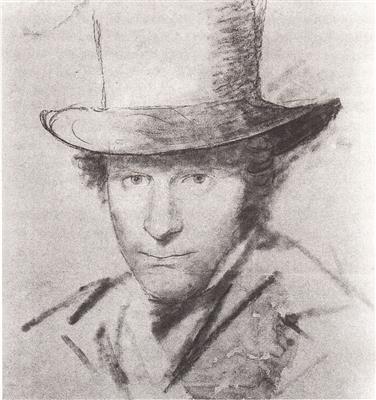
Carl Blechen

Carl Buchheister

Carl Chun

Carl Joseph Begas

Carl Ludwig Tischbein

Carl Rottmann
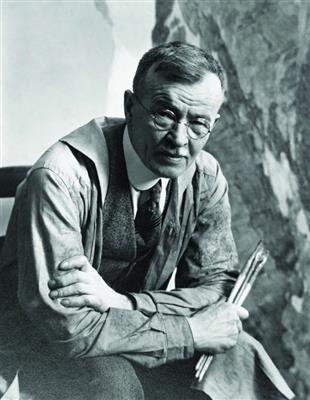
Carl Rungius

Carl Spitzweg
Carsten Holler
Carsten Nicolai

Caspar Merian

Charlotte Berend-Corinth
Charlotte Posenenske

Christian Ezdorf

Christian Friedrich Zincke
Christian Rohlfs

Christian Schad
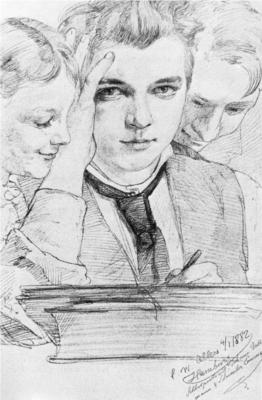
Christian Wilhelm Allers

Christian Wilhelm Ernst Dietrich

Christoph Jamnitzer

Christoph Weigel the Elder
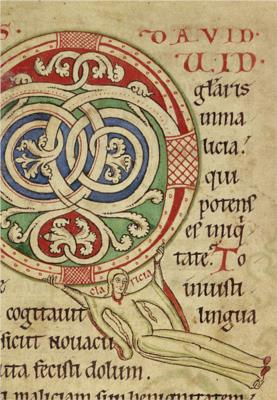
Claricia

Conrad Laib

Cornelia Paczka-Wagner

Curt Herrmann
Daniel Richter
Daniel Sambo-Richter
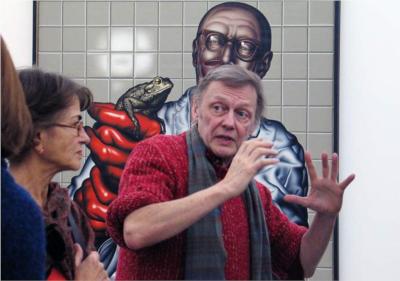
Dieter Asmus
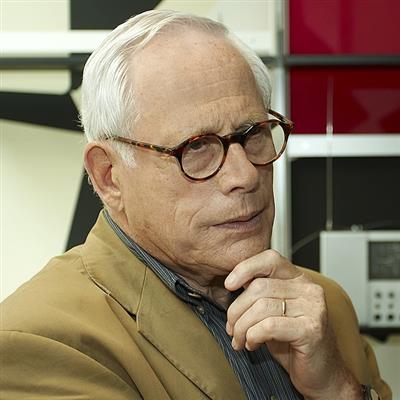
Dieter Rams
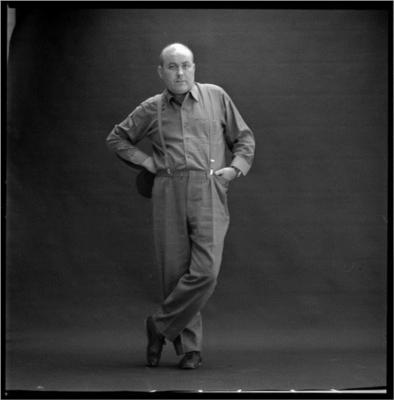
Dieter Roth
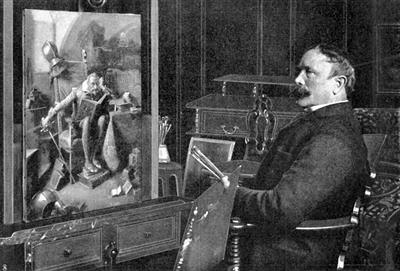
Eduard von Grützner

Edward Theodore Compton
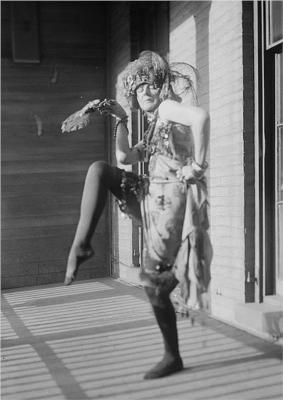
Elsa von Freytag-Loringhoven
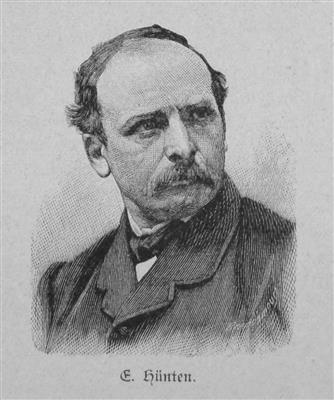
Emil Hünten

Emil Nolde
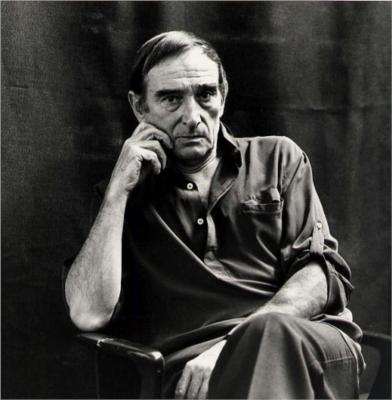
Emil Schumacher

Ernst Haeckel

Ernst Karl Gottlieb Thelott

Ernst Ludwig Kirchner

Ferdinand Kobell

Ferdinand Piloty
Showing the first 80 of 179 artists, alphabetically.
Frequently Asked Questions
What is Germany's greatest contribution to art?
Germany made a significant contribution to Gothic painting during the fourteenth and fifteenth centuries. Centres like Cologne and Westphalia saw considerable artistic activity, producing work of lasting importance.Who are the most important German artists to know?
Several German artists have achieved international recognition, including Adolph de Meyer, known for his pictorialist photography. Christian Schad is another important figure, associated with the New Objectivity movement.Which German artist is underappreciated?
Carl Buchheister, whose career spanned both Dada and abstract art, remains somewhat outside the mainstream. His experimental approach and contributions to non-objective art deserve greater recognition.When did Germany develop a distinctive national style?
While regional styles existed earlier, a more unified German artistic identity emerged during the Gothic period (14th-16th centuries). Artists across different regions began to share stylistic traits, contributing to a recognisable German aesthetic.
Love what you see? Take it home.
See all art prints →