



French art holds a central position in the Western tradition, acting as a cradle for movements like Impressionism, Cubism, and Surrealism. The French Academy, established in 1648, codified artistic principles and exerted influence across Europe. From the Rococo of François Boucher to the Neoclassicism of Jacques-Louis David, French artists have defined aesthetics and technique for centuries. The country's patronage system, particularly during the reign of Louis XIV, further solidified its status as an artistic hub. French painting from 1774 to 1830, the Age of Revolution, saw further innovation.
Key Movements
12 movements shaped french art.
Key Artists


Key Ideas
-
The French Academy
Founded in 1648, the Académie Royale de Peinture et de Sculpture became the most powerful art institution in Europe. It defined artistic principles, provided instruction, and organised exhibitions, shaping the development of French art for centuries.
-
Neoclassicism
Emerging in the late 18th century, Neoclassicism drew inspiration from classical antiquity. French artists like Jacques-Louis David adopted its emphasis on order, reason, and civic virtue, influencing painting, sculpture, and architecture.
-
Impressionism
In the mid-19th century, French artists such as Claude Monet, Camille Pissarro, and Edgar Degas broke from academic tradition to capture fleeting moments and the effects of light. Their innovative techniques and focus on everyday life revolutionised painting.
-
Surrealism
Emerging after World War I, Surrealism explored the realm of dreams and the irrational. French writers and artists, including André Breton, Yves Tanguy, and Louise Bourgeois, used automatism and unexpected juxtapositions to unlock the creative potential of the unconscious.
Museums in France
94 museums.
Paris (33)
-
Musée National d'Art Moderne
Maison Pompidou: Wed–Mon 11:00–19:00, closed Tuesdays
-
Musée d'Orsay
Tue–Sun 09:30–18:00 (Thu until 21:45); closed Mon · €16 adults
-
Musée des Beaux-Arts de la ville de Paris
Tue–Sun 10:00–18:00, Fri–Sat late night until 20:00 for temporary exhibitions, closed Mondays · Free
-
Musée d'art moderne de Paris
-
Musée Carnavalet
Tue–Sun 10:00–18:00, closed Mondays · Free
-
Centre national des arts plastiques
-
Charles Sedelmeyer collection
-
Musée des Arts Décoratifs
Tue–Sun 11:00–18:00, Thu 11:00–21:00 (exhibitions only), closed Mondays
-
Musée Jacquemart-André
Mon–Thu 10:00–18:00, Fri 10:00–22:00, Sat–Sun 10:00–19:00
-
Maison de Victor Hugo
-
Library-museum of the Comédie-Française
15 € adults, 12 € reduced, 8 € children
-
Bibliothèque nationale de France
Varies by site and department; François-Mitterrand exhibitions Mon-Sat 10:00-19:00, Sun 13:00-19:00
-
Beaux-Arts de Paris
Free
-
Musée Marmottan Monet
Tue–Sun 10:00–18:00, Thu 10:00–21:00, closed Mondays
-
Jean Walter-Paul Guillaume Collection
Mon, Wed–Sun 09:00–18:00, closed Tuesdays (late night Fridays until 21:00) · 12,50 € adults
-
Musée de l'Armée
Daily 10:00–18:00, late opening on the 1st Friday of each month 18:00–22:00 · €17 adults
-
Borghese Collection
-
Musée Picasso
Tue–Sun 09:30–18:00, closed Mondays · 16€ adults
-
Musée d'Art et d'Histoire du Judaïsme
Tue–Fri 11:00–18:00, Sat–Sun 10:00–18:00, closed Mondays
-
Eugène-Delacroix National Museum
Mon–Fri 12:00–17:30, Sat–Sun 10:00–17:30, closed Tuesdays · 9 €
-
Musée de l'Orangerie
Mon, Wed–Sun 9:00–18:00, Fri 9:00–21:00, closed Tuesdays · 12,50 € adults
-
Musée Rodin
Tue–Sun 10:00–18:30, closed Mondays
-
Père Lachaise Cemetery
Free
-
Bibliothèque de l'Institut de France
Free
-
Collection Stavros Niarchos
-
François Pinault Collection
-
Guimet Museum
Wed–Mon 10:00–18:00, closed Tuesdays
-
Institut de France
Sat 10:00–11:30 and 16:00–17:30 (guided tours), Sat 12:30–16:30 (self-guided visits) · €15 adults for guided tours, €5 for self-guided Coupole visits
-
Laure Denier Collection
-
Louvre
Wed–Mon 09:00–18:00 (Fri until 21:45); closed Tue · €22 adults, free under-18
-
Maison de Balzac
Tue–Sun 10:00–18:00, closed Mondays · Free
-
Prints and Photographs Department of the Bibliothèque nationale de France
-
Sammlung Paul Alexandre


Toulouse (3)


Marseille (3)


Dijon (2)


Versailles (2)


Lille (2)


Montpellier (1)


Grenoble (1)

Chantilly (1)


Besançon (1)

Rouen (1)

Quimper (1)


Reims (1)

Bayonne (1)

Saint-Étienne (1)
Caen (1)

Troyes (1)


Orléans (1)

Albi (1)

Aix-en-Provence (1)

Le Havre (1)


Saint-Tropez (1)

Beauvais (1)

Lyon (1)

Cagnes-sur-Mer (2)


Fontevraud (1)

Castres (1)

Avignon (1)

Perpignan (1)

Strasbourg (1)
Cherbourg-Octeville (1)

Mougins (1)

Granville (1)

Boulogne-Billancourt (1)

La Rochelle (1)

Villeneuve-d'Ascq (1)

Clamart (1)

Le Cateau-Cambrésis (1)

Libourne (1)

Biot (1)

Saint-Paul-de-Vence (1)

Le Cannet (1)

Cannes (1)

Fontainebleau (1)

Antibes (1)

All French Artists
388 artists.

Abraham Bosse
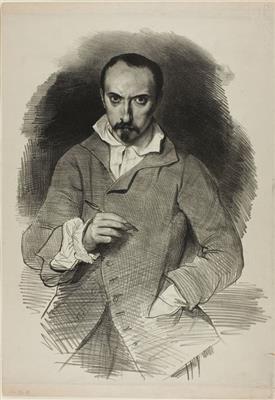
Achille Devéria
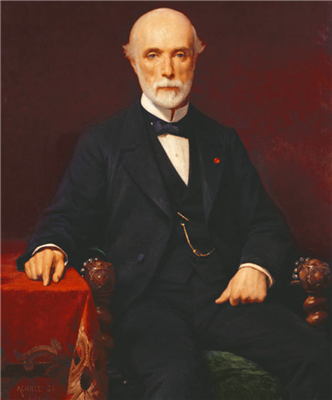
Achille Zo

Adélaïde Labille-Guiard

Adolphe Hervier

Adolphe Monticelli
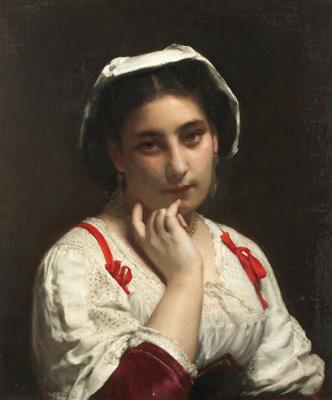
Adolphe Piot

Adolphe Willette
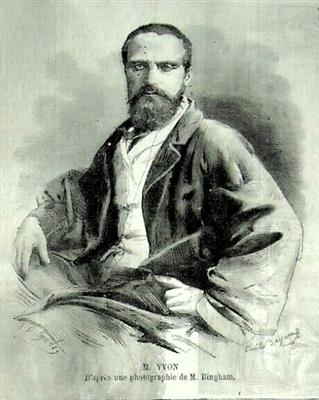
Adolphe Yvon

Adolphe-Félix Cals

Adrien Dax

Adrien Moreau
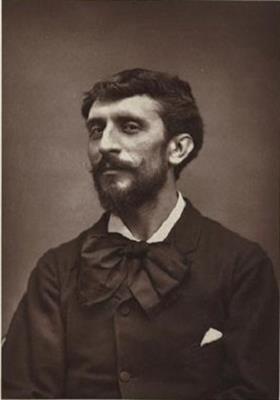
Albert Aublet
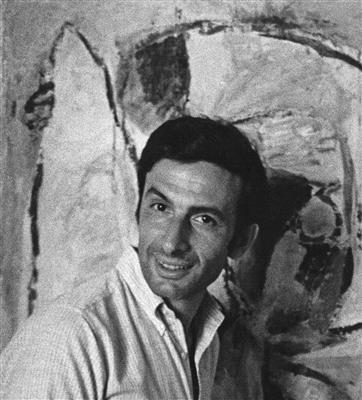
Albert Bitran

Albert de Balleroy

Albert Dubois-Pillet

Albert Flamen

Albert Gleizes
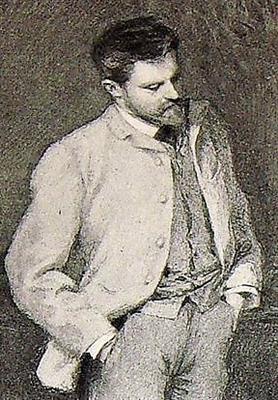
Albert Lynch
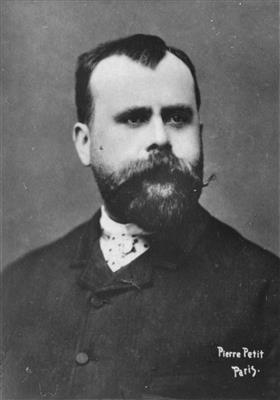
Albert Maignan
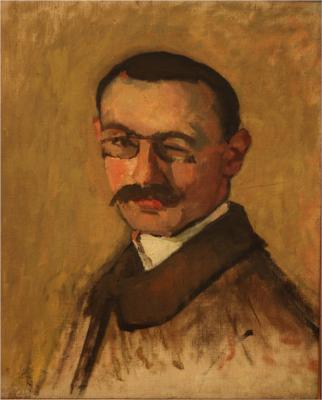
Albert Marquet
Alexandre Antigna

Alexandre Bida

Alexandre Cabanel

Alexandre Charpentier

Alexandre-Évariste Fragonard

Alexandre-François Desportes
Alexandre-Gabriel Decamps

Alexandre-Hyacinthe Dunouy
Alexandre-Jacques Chantron
Alexandre-Louis Leloir

Alfred de Dreux
Alfred Dehodencq

Alfred Manessier

Alfred Philippe Roll
Alice Rahon
Alina Szapocznikow

Alphonse Allais

Alphonse de Neuville

Alphonse Stengelin
Ambroise Tardieu

Amedee Ozenfant

Amédée Rosier
Andre Bauchant

André Derain
Andre Dunoyer de Segonzac
André Gill
André Lhote

Andre Masson
Andre-Pierre Arnal

Anne Claude Philippe, Comte de Caylus
Anne Vallayer-Coster
Anne-Louis Girodet
Antoine Blanchard

Antoine Claude Ponthus-Cinier
.jpg?width=800)
Antoine Ignace Melling
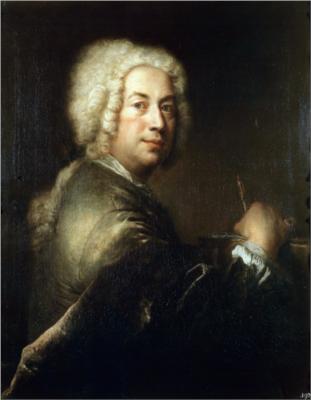
Antoine Pesne

Antoine Vollon
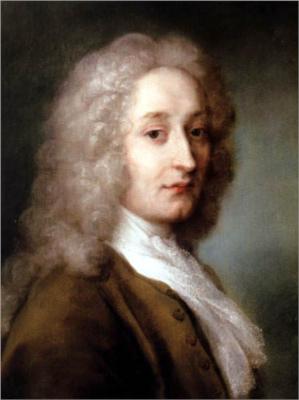
Antoine Watteau
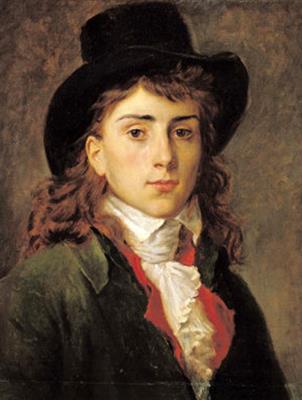
Antoine-Jean Gros
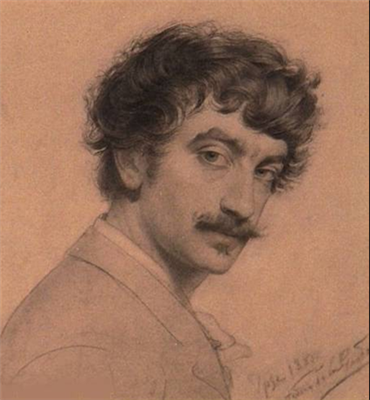
Antonio de La Gándara

Aristide Maillol

Armand Guillaumin
%2C%20Frans%20kunstschilder%20en%20lithograaf%2C%20objectnr%20KA%206895.184.ti%EF%BC%88Cropped%EF%BC%89.jpg?width=800)
Auguste Anastasi

Auguste Boulard

Auguste Delâtre
.jpg!Portrait.jpg)
Auguste Edouart

Auguste III Blanchard

Auguste Jouve

Auguste Raffet

Auguste Rodin
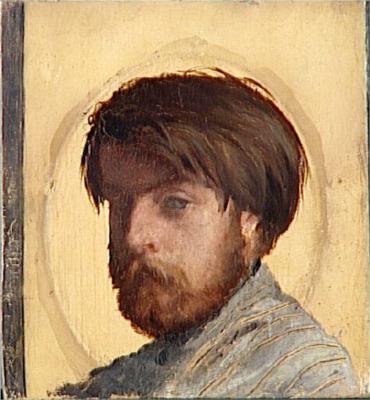
Auguste Toulmouche

Augustin Théodule Ribot

Aurelie Nemours
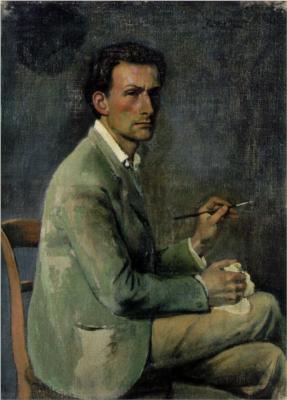
Balthus

Barbara Chase-Riboud
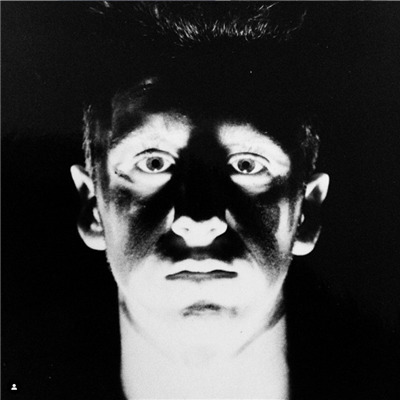
Ben Spider
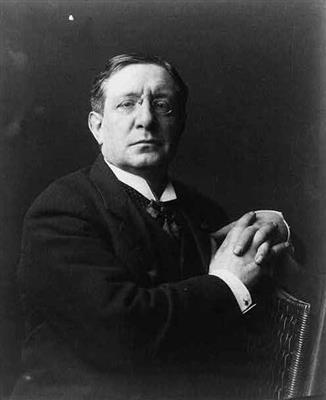
Benjamin Constant
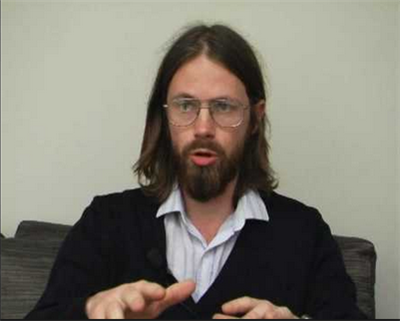
Benoit Maire
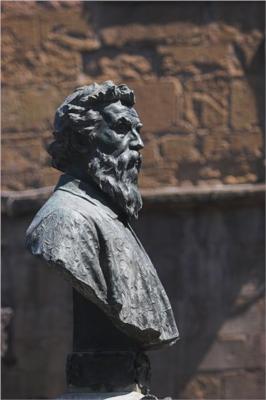
Benvenuto Cellini
Showing the first 80 of 388 artists, alphabetically.
Frequently Asked Questions
What is France's greatest contribution to art?
France's most important contribution to art is arguably Impressionism. Arising in the mid-19th century, this movement, with figures such as Claude Monet and Camille Pissarro, rejected academic conventions in favour of capturing fleeting moments and the subjective experience of light and colour, thus changing the course of painting.Who are the most important French artists to know?
Claude Monet is essential for his role in Impressionism, capturing light and atmosphere in series like 'Water Lilies'. Louise Bourgeois is another important figure, known for her large-scale sculptures and exploration of psychological themes.Which French artist is underappreciated?
Albert Marquet, while not as famous as some of his contemporaries, deserves greater recognition. His subtle, atmospheric paintings of cityscapes and harbours demonstrate a mastery of light and colour, capturing the essence of place with understated skill.When did France develop a distinctive national style?
France began developing a distinctive national style during the reign of Louis XIV (1643-1715). The establishment of the French Academy and royal patronage fostered a unique artistic identity, influencing painting, sculpture, and architecture throughout Europe.
Love what you see? Take it home.
See all art prints →